What is the difference between retirement and pension? It confuses many people, yet the two words describe very different things: retirement is the phase of life when you stop working, while a pension is one specific income source that may fund it. According to the U.S.
Bureau of Labor Statistics, only a minority of private-sector workers now participate in defined benefit pension plans — a steep fall from the 1980s, when such plans covered a large share of the workforce. That shift leaves millions unsure whether they can actually afford to stop working.
This guide breaks down the definitions, the income sources, the tax and timing rules, and the practical steps that separate a comfortable exit from a financial surprise.
Retirement vs Pension: The Core Definitions
Retirement is a life stage and a decision; a pension is a financial product and a promise. You retire when you permanently leave the workforce, but your pension is only one of several possible income streams that keep money coming in afterward.
If you have ever wondered what is the difference between retirement and pension, the answer starts with separating the event from the paycheck.
Think of it this way:
- Retirement = the event and phase — when you stop earning a salary and start drawing on savings.
- Pension = a specific employer- or government-backed plan that pays you a regular income, usually for life.
A person can retire without a pension (relying on a 401(k), IRA, or savings), and a person can receive a pension without being fully retired (some plans allow early or partial drawdowns). Understanding what is the difference between retirement and pension becomes clearest when you separate the timeline from the paycheck.
The U.S. Department of Labor explains that retirement plans fall into two broad families — defined benefit and defined contribution — and that the type you hold changes who carries the investment risk.
How to apply this: Write two columns on a page — "When I stop working" and "Where my income comes from" — and list your sources under the second column before you set any retirement date.
How Pension Plans Actually Work
A pension is a defined benefit plan: your employer (or a government body) promises a set payout, typically calculated from your salary and years of service. The formula often looks like years of service × a percentage × your final average salary.
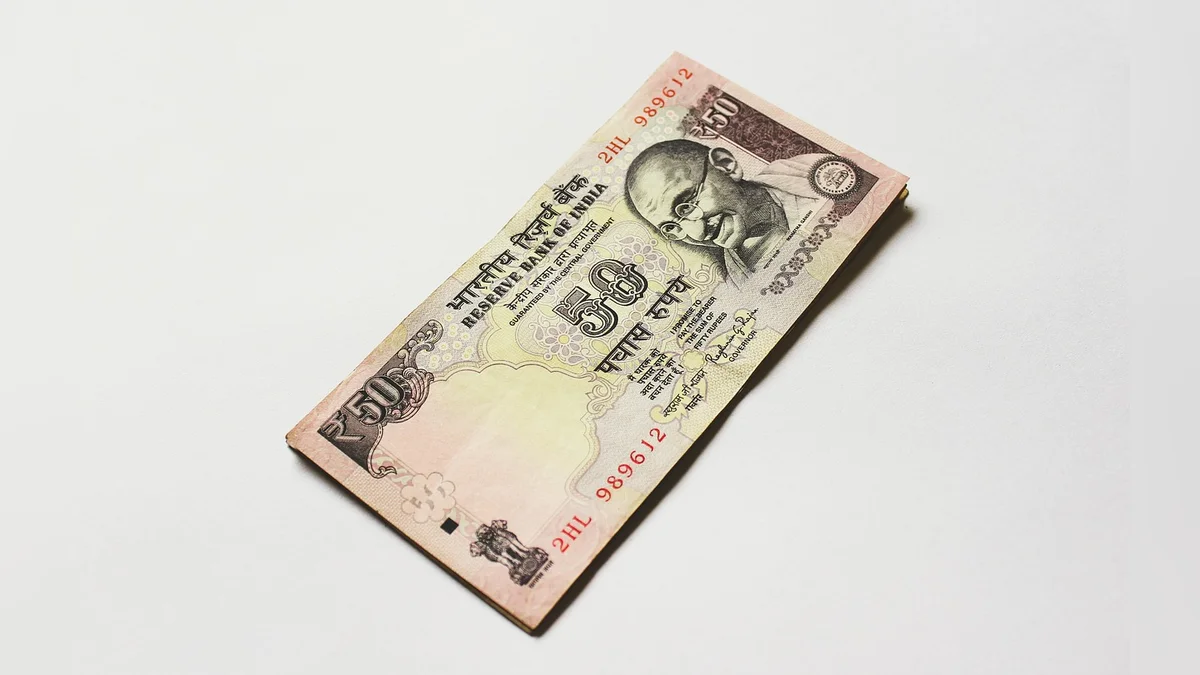
Knowing what is the difference between retirement and pension helps you see why the plan type matters so much.
Key features of a traditional pension:
- Employer bears the investment risk. If markets fall, the plan — not you — absorbs the loss, subject to the plan's funding rules.
- Payouts are usually lifetime annuities. You receive a monthly check for as long as you live, and many plans offer survivor benefits.
- Vesting matters. You typically must work a minimum number of years before you own the benefit.
Defined contribution plans like 401(k)s work differently — you and your employer contribute, you choose investments, and your retirement income depends on how much the account grows. That is why what is the difference between retirement and pension is often really a question of guaranteed versus market-dependent income.
The IRS notes that qualified retirement plans must follow specific rules on contributions, vesting, and required minimum distributions, so the tax treatment of a pension payout is not the same as a 401(k) withdrawal.
How to apply this: Request your plan's summary description document and find the vesting schedule and payout formula — those two numbers tell you what your pension is actually worth.
Retirement Income Sources Beyond a Pension
Retirement is funded by a stack of income streams, and a pension is only one possible layer. Most retirees combine several sources, which is why what is the difference between retirement and pension matters when you build a plan.
| Income source | What it provides | Action to take |
|---|---|---|
| Pension | Fixed monthly lifetime income | Confirm vesting and survivor options |
| Social Security | Inflation-adjusted monthly benefit | Check your earnings record online |
| 401(k) / IRA | Market-based withdrawals | Review fees and allocation |
| Personal savings | Flexible cash buffer | Keep 1–2 years of expenses liquid |
| Part-time work | Bridge income | Test a phased-retirement schedule |
The Social Security Administration reports that Social Security remains the largest source of income for many retired workers, especially lower earners — which means a pension is a supplement for most households, not the whole picture. Grasping what is the difference between retirement and pension keeps that supplement in its proper place.
A common scenario: someone retires at 62 with a small pension and discovers the monthly amount covers rent but not healthcare. Mapping every stream before you set a date prevents that gap.
How to apply this: Create a simple spreadsheet listing each income source, its monthly amount, and its start date, then total them against your expected expenses.
Timing Rules: When You Can Retire vs When a Pension Pays
Retirement timing and pension timing are separate decisions, and confusing them is one of the costliest mistakes. You can choose to stop working at one age while your pension only becomes payable at another. What is the difference between retirement and pension in practice? It is the gap between your chosen exit date and your plan's payout schedule.

Important distinctions:
- Full retirement age for Social Security is set by federal rules and differs by birth year; claiming early permanently reduces your benefit.
- Pension eligibility ages are set by the plan, and early retirement often triggers a reduced payout.
- Required minimum distributions force withdrawals from tax-deferred accounts after a certain age, whether or not you need the money.
What is the difference between retirement and pension shows up sharply here: retirement is your choice, but pension payout rules are contractual. A plan might let you retire at 55 with 20 years of service but cut your monthly benefit for every year before the plan's normal retirement age.
How to apply this: Ask your plan administrator for a benefit estimate at three ages — earliest eligibility, normal retirement age, and age 65 — and compare the lifetime totals, not just the monthly figures.
Common Mistakes That Cost Retirees Money
Most pension mistakes are avoidable with a little homework. The biggest one is treating a pension promise as guaranteed income without checking the plan's funding status or your employer's stability. Clarifying what is the difference between retirement and pension early is the cheapest protection you can buy.
Watch for these traps:
- Ignoring survivor benefit choices. A single-life payout pays more, but leaves a spouse with nothing.
- Claiming too early. Starting a reduced pension at the first eligible date can lock in a lower income for decades.
- Forgetting taxes. Pension income is generally taxable, and withholding rules differ from salary withholding.
- Skipping the lump-sum comparison. Some plans offer a lump sum instead of monthly income — run both scenarios before deciding.
The Consumer Financial Protection Bureau advises workers to review plan documents carefully and ask about fees and payout options before making an irreversible election.
Understanding what is the difference between retirement and pension early gives you time to fix these issues while you still have choices.
How to apply this: Book a 30-minute call with your plan administrator this month and ask specifically about survivor options and lump-sum alternatives.
Frequently Asked Questions About what is the difference between retirement and pension
Can I retire without a pension?
Yes. Many workers retire with no pension at all, relying on Social Security, retirement accounts, and savings. If you hold only a 401(k) or IRA, your retirement income depends on how much you saved and how you invest. What is the difference between retirement and pension here is that you carry the investment risk yourself rather than an employer.
Is a pension always paid monthly for life?
Not always. Most traditional defined benefit plans pay a lifetime monthly annuity, but some pay a lump sum, a partial lump sum, or a fixed number of years. Read your plan's payout options carefully — a joint-and-survivor election reduces your monthly amount but protects a spouse.

Not every plan pays monthly for life, since some offer lump sums or fixed terms; what is the difference between retirement and pension becomes clearer when you read your payout options carefully.
Because early claiming often triggers a permanent reduction for each year before normal retirement age, what is the difference between retirement and pension matters when timing your claim.
Does retiring early reduce my pension?
Usually yes. Many plans apply an early-retirement reduction for each year you claim before the plan's normal retirement age. Some plans waive the reduction if you hit a service milestone, such as 30 years. Check your plan's specific rules before assuming early retirement is affordable.
Since protection varies by plan type and country, what is the difference between retirement and pension helps you check whether a guaranty agency like the PBGC covers your benefit.
How is a pension taxed compared to retirement account withdrawals?
Pension income is generally taxed as ordinary income when paid, and many plans withhold tax automatically. Retirement account withdrawals are also taxed as ordinary income in most cases, but Roth accounts can be tax-free. What is the difference between retirement and pension taxation often comes down to withholding rules and required distribution timing.
What happens to my pension if my employer goes bankrupt?
It depends on the plan type and country. In the U.S., private-sector defined benefit pensions are often insured by the Pension Benefit Guaranty Corporation, which pays benefits up to statutory limits if a plan fails. Public-sector plans vary widely. Confirm your plan's insurance coverage before you rely on it.
People often ask what is the difference between retirement and pension when a company fails, since pension insurance may still pay benefits.
Conclusion
What is the difference between retirement and pension comes down to one clean idea: retirement is the life stage, and a pension is one income source that may support it.
If you still wonder what is the difference between retirement and pension after reading this guide, remember the short version: one is a phase of life, the other is a contract.
- Retirement is a decision you make; a pension is a contract you earn.
- Pensions are defined benefit plans, while 401(k)s and IRAs are defined contribution plans.
- Timing rules for retiring and for claiming a pension are separate and must be planned together.
- Checking vesting, survivor options, and payout formulas prevents expensive mistakes.
Your next step is simple: pull your plan documents today and confirm your vesting date, payout formula, and earliest eligibility age. Once you have those three numbers, you can build a realistic retirement date around them instead of guessing.





