If you're retired or nearing retirement, the question of what a fed led by kevin warsh means for retirees has likely crossed your mind. Kevin Warsh, a former Federal Reserve governor and potential future Fed chair, has a well-documented hawkish stance on inflation. That stance could reshape the interest-rate environment that directly affects your savings, bonds, and fixed-income strategy.
The core tension: retirees need stable income and low inflation, but they also benefit from higher yields on safe assets. A Warsh-led Fed would likely prioritize inflation control above all else, which carries both opportunity and risk for your portfolio.
This article breaks down five key implications, grounded in his public record and Federal Reserve history, so you can adjust your plan with confidence. Understanding what a fed led by kevin warsh means for retirees starts with recognizing that his policy preferences differ meaningfully from the accommodative stance many retirees have experienced over the past decade.
1. Higher Short-Term Rates Could Persist Longer
Kevin Warsh has repeatedly argued that the Federal Reserve should keep interest rates elevated until inflation is decisively defeated. In a 2023 op-ed for The Wall Street Journal, Warsh wrote that "the Fed's credibility depends on holding the line" against premature rate cuts. That signals a regime where short-term rates stay higher for longer than markets might expect.
This is central to what a fed led by kevin warsh means for retirees, because short-term rates directly influence the yields on the cash and cash-equivalent holdings that many retirees rely on for near-term spending needs.
For retirees, this cuts both ways. Money market funds and short-term Treasuries would continue offering attractive yields. According to Federal Reserve data, the effective federal funds rate remained above 5% throughout much of 2024, and a Warsh-led Fed would likely resist rapid cuts. Your cash reserve could keep earning meaningful interest.
The downside: borrowing costs for any variable-rate debt, including some home equity lines, stay elevated. When evaluating what a fed led by kevin warsh means for retirees, it's crucial to weigh the benefit of higher savings yields against the cost of carrying variable-rate debt into retirement.
How to apply this: Review your cash allocation. If you're holding excess cash in a low-yield checking account, consider moving it to a Treasury money market fund or short-term CD ladder to capture today's higher rates while they last.
2. Inflation Control Would Be the Overriding Priority
Warsh has been vocal about the dangers of letting inflation expectations drift. In testimony before Congress and public speeches, he has emphasized that the Fed's single most important job is preserving the purchasing power of the dollar. A Warsh-led Fed would likely tolerate slower economic growth if it meant keeping inflation near the 2% target.
This is perhaps the most reassuring aspect of what a fed led by kevin warsh means for retirees: a central banker who treats inflation as the primary enemy is, in many ways, a retiree's ally.
For retirees living on fixed income, this is arguably good news. Inflation erodes the real value of Social Security checks, pensions, and bond coupons. A Fed that fights inflation aggressively helps protect your purchasing power over a 20- or 30-year retirement. The trade-off: aggressive inflation-fighting can trigger recessions, which hurt stock portfolios in the short term.
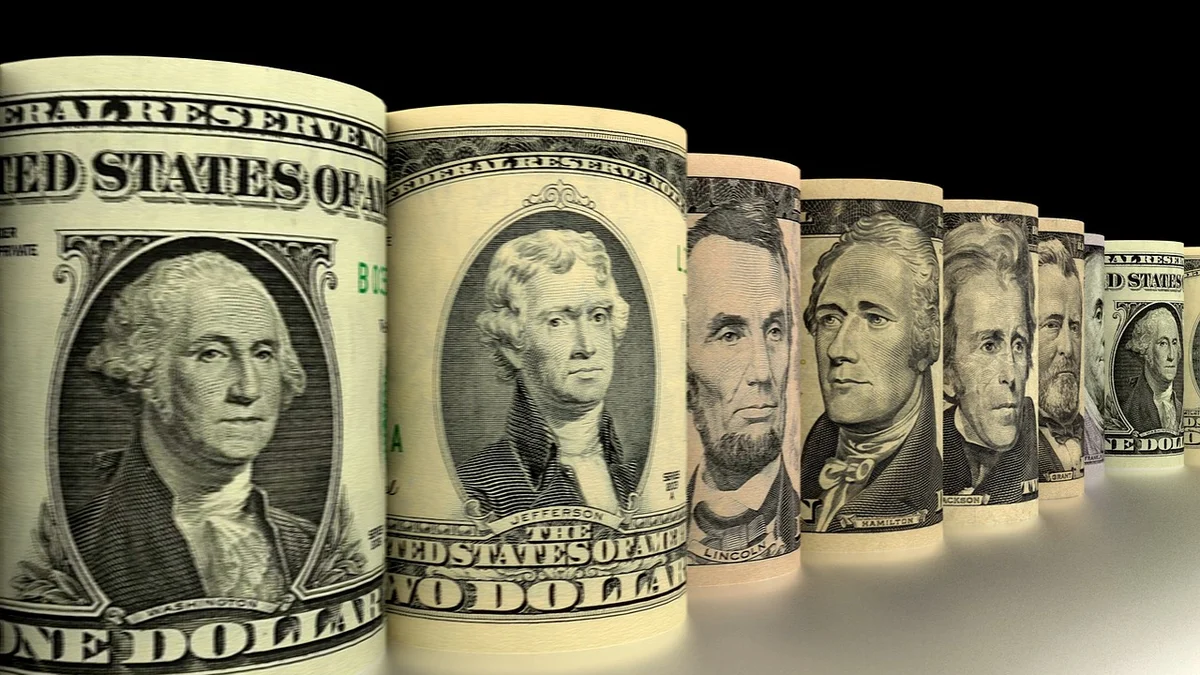
Still, when you consider what a fed led by kevin warsh means for retirees over a multi-decade horizon, the protection of purchasing power often outweighs the discomfort of periodic market downturns.
How to apply this: Run a simple inflation stress test on your budget. Assume a 3% annual inflation rate for the next five years and see how your essential expenses change. If the gap looks uncomfortable, consider adding Treasury Inflation-Protected Securities (TIPS) to your bond allocation.
3. Bond Market Volatility Could Increase
A Fed chair with a hawkish reputation often creates uncertainty in the bond market. When investors believe rates will stay high, long-term bond prices can fall as yields rise. Warsh's public commentary has historically moved market expectations. During his time as a Fed governor from 2006 to 2011, he was known for dissenting against policies he viewed as too accommodative.
This dynamic is essential to understanding what a fed led by kevin warsh means for retirees, because the bond portion of a retirement portfolio—traditionally considered the "safe" part—could experience more price fluctuation than many expect.
Retirees holding long-duration bond funds should pay attention. A sudden shift in Fed communication could trigger price swings. A common scenario: you own a total bond market fund with an average duration of six years. If yields rise by one percentage point, the fund's price could drop roughly 6%, all else equal.
That's a meaningful hit for a supposedly "safe" asset. The more you understand what a fed led by kevin warsh means for retirees, the clearer it becomes that duration management is not an academic exercise—it's a practical necessity for protecting your principal.
How to apply this: Check the average duration of your bond funds. For the portion of your portfolio you might need within three years, favor short-duration bond funds or individual bonds held to maturity to reduce interest-rate sensitivity.
4. Stock Market Reactions Could Favor Dividend Stability
A Warsh-led Fed that prioritizes inflation control might create headwinds for high-growth, speculative stocks. Those companies often depend on cheap borrowing and abundant liquidity. When rates stay higher, investors tend to rotate toward companies with strong cash flows and reliable dividends.
This shift is a key component of what a fed led by kevin warsh means for retirees, since many retirement portfolios are already tilted toward income-producing equities.
For retirees, this could actually support a dividend-focused strategy. Sectors like consumer staples, utilities, and healthcare—classic retirement holdings—tend to perform relatively better when the Fed is hawkish. One caveat: no Fed chair controls the stock market, and external shocks can override any policy stance. But the general tilt toward quality and income aligns with what many retirees already own.

Thinking through what a fed led by kevin warsh means for retirees from an equity perspective suggests that dividend growers with strong balance sheets may offer more resilience than speculative names in a higher-rate world.
How to apply this: Review your equity allocation's sector exposure. If you're heavily weighted in growth stocks, consider whether a shift toward dividend-paying value stocks better matches a higher-for-longer rate environment.
5. Your Social Security and Pension Income Are Not Directly Affected
It's important to clarify what a Fed chair cannot do. The Federal Reserve does not set Social Security cost-of-living adjustments (COLAs). Those are determined by the Social Security Administration using the Consumer Price Index for Urban Wage Earners and Clerical Workers (CPI-W).
A Warsh-led Fed could influence inflation, which indirectly affects future COLAs, but it cannot cut or delay your benefits. This distinction is critical when assessing what a fed led by kevin warsh means for retirees, because it separates what you can control from what you cannot.
Similarly, private pensions are governed by plan documents and the Pension Benefit Guaranty Corporation, not the Federal Reserve. If you have a fixed annuity, your payments are contractually guaranteed by the issuing insurance company. The Fed's rate decisions affect the yields on new annuities, not the terms of ones you already own.
In short, what a fed led by kevin warsh means for retirees has far more impact on your market-dependent assets than on your guaranteed income streams.
How to apply this: Separate your guaranteed income sources from your market-dependent assets. Your Social Security, pension, and fixed annuity payments are not at risk from a change in Fed leadership. Focus your planning energy on the parts of your portfolio that actually respond to Fed policy.
Comparing Fixed-Income Options Under a Hawkish Fed
The table below compares common retiree fixed-income vehicles and how a Warsh-led Fed might affect them. This comparison helps clarify what a fed led by kevin warsh means for retirees in practical, actionable terms across different cash and bond holdings.
| Vehicle | Rate Sensitivity | Income Potential | Action to Take |
|---|---|---|---|
| Money market fund | Very low | Moderate, tracks fed funds | Keep emergency cash here |
| Short-term CD ladder | Low | Moderate to high | Lock in 6-12 month CDs |
| Intermediate bond fund | Moderate | Moderate | Review duration and fees |
| Long-term bond fund | High | Higher but volatile | Reduce if you need cash soon |
| TIPS | Moderate | Inflation-adjusted | Add for inflation protection |
Frequently Asked Questions About what a fed led by kevin warsh means for retirees
How would a Warsh-led Fed affect my CD rates?
A hawkish Fed that keeps short-term rates elevated means banks can offer higher yields on certificates of deposit. If Warsh signals that rate cuts are further away than expected, CD rates could stay attractive longer. The exception: if inflation falls faster than anticipated, even a hawkish Fed would eventually cut rates, and CD yields would follow lower.
Locking in longer terms now could protect your income stream. This is one of the more straightforward answers to what a fed led by kevin warsh means for retirees when it comes to cash instruments.
Should I sell my bond funds before a potential Warsh appointment?
Not necessarily. Selling all bond funds locks in losses and sacrifices future income. A better approach is to shorten your average duration and hold more individual bonds to maturity. If you own a bond fund with a duration of eight years, consider shifting to one with a duration under three years. This reduces price volatility without abandoning fixed income entirely.

The real lesson of what a fed led by kevin warsh means for retirees is not to flee bonds, but to match your bond duration to your actual spending timeline.
What does a hawkish Fed mean for my mortgage in retirement?
If you carry a fixed-rate mortgage, nothing changes. Your rate is locked. If you have an adjustable-rate mortgage or a home equity line of credit, your payments could stay higher for longer under a Warsh-led Fed. Many retirees are surprised to learn that paying off variable-rate debt can be a better "investment" than buying bonds in a high-rate environment.
When you evaluate what a fed led by kevin warsh means for retirees, don't overlook the liability side of your balance sheet.
Could a Warsh Fed actually help retirees by keeping inflation low?
Yes, and this is the key nuance in what a fed led by kevin warsh means for retirees. Low and stable inflation protects the real value of your fixed income. If Warsh's hawkishness succeeds in anchoring inflation near 2%, your Social Security COLA might be smaller each year, but your dollars will buy more.
The trade-off is a potentially weaker economy and more market volatility along the way. For retirees with a long horizon, the purchasing-power protection often outweighs the short-term discomfort.
How does Warsh compare to other potential Fed chairs for retirees?
Warsh is generally considered more hawkish than candidates like Christopher Waller or Austan Goolsbee. A dove would cut rates faster, which helps borrowers and stock investors but risks higher inflation. A hawk like Warsh protects savers and fixed-income investors but may slow economic growth.
Your ideal Fed chair depends on whether you're more exposed to inflation risk or market risk in retirement. Ultimately, what a fed led by kevin warsh means for retirees depends on your personal mix of assets, debts, and guaranteed income.
Conclusion
Understanding what a fed led by kevin warsh means for retirees comes down to one core insight: a hawkish Fed protects your purchasing power but creates volatility in bond and stock markets. The retirees who fare best under such a regime are those who plan for both outcomes.
- Higher short-term rates could benefit your cash and CD holdings
- Inflation control supports the real value of Social Security and pension income
- Long-duration bond funds face the biggest risk from a hawkish stance
- Dividend-paying stocks may outperform growth stocks in this environment
- Your guaranteed income sources are not directly controlled by the Fed
Your next step: pull up your portfolio's fixed-income duration, your cash allocation, and your sector exposure. Make one adjustment this week—whether it's shortening bond duration, moving cash to a higher-yield account, or adding TIPS—to align your retirement plan with a potentially higher-for-longer rate world.
By taking action now, you can ensure that what a fed led by kevin warsh means for retirees becomes an opportunity rather than a threat.





