Wearable emergency notification equipment provides immediate access to trained dispatch specialists whenever an unexpected health incident or accidental fall occurs at home or out in the community. These specialized communication tools bridge the gap between sudden medical emergencies and rapid professional assistance, ensuring that help remains available around the clock.
Key System Categories and Operating Features
Home-based console units connect directly through cellular networks or traditional landline connections to cover indoor living areas. These stationary base stations feature loud speakers and sensitive microphones that allow individuals to converse with dispatchers from across a room during an emergency event without needing a telephone.
Mobile GPS pendants utilize cellular towers and satellite tracking technology to protect users who maintain active daily routines outside their residences. When activated away from home, these compact wearable electronics transmit real-time geographical coordinates to monitoring center operators, enabling emergency medical services to locate and assist individuals quickly.

Automatic fall detection technology relies on internal motion sensors and specialized algorithms to recognize sudden acceleration changes typical of physical impacts. If an abrupt drop happens and the wearer remains unresponsive, the device automatically initiates a distress call to dispatchers without requiring manual button activation.
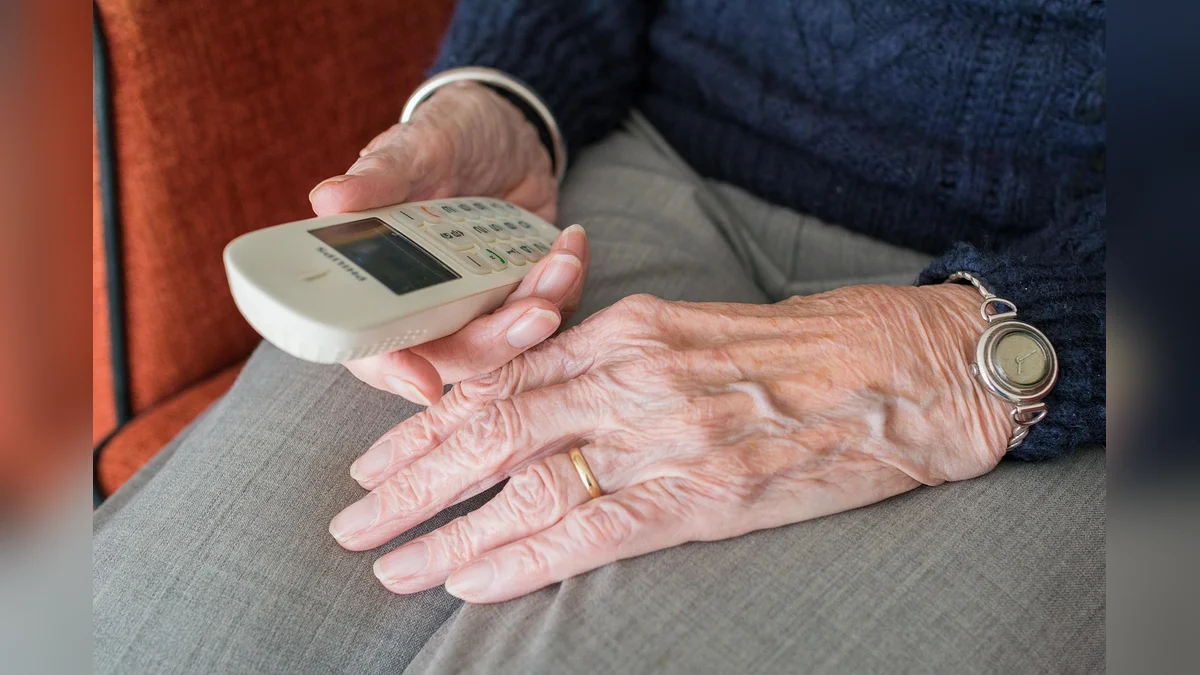
Smartwatch-style emergency devices combine traditional medical alert signaling with modern fitness tracking, heart rate monitoring, and daily communication applications. This multi-functional integration encourages consistent daily wear because the hardware resembles a standard timepiece rather than a conventional emergency button or bulky plastic pendant.
Selecting and Evaluating Equipment
Choosing appropriate emergency response hardware requires careful evaluation of daily mobility patterns, residential architecture, and personal comfort preferences to guarantee reliable protection across all environments.
| Device Type | Primary Environment | Key Advantage |
|---|---|---|
| Home Cellular Base | Indoor Residence | Loud two-way speaker |
| Mobile GPS Pendant | Outdoors and Travel | Location tracking support |
| Fall Detection Tag | Any Location | Automatic impact alert |
| Emergency Smartwatch | Active Daily Life | Discreet wearable style |
Practical Steps for Daily Readiness
- Test the panic button monthly to verify clear communication with the live monitoring center.
- Keep waterproof pendants fastened securely during showering when bathroom slips frequently happen.
- Recharge mobile tracking hardware every night to prevent unexpected power depletion during outings.
- Update emergency contact lists whenever personal physician or family phone numbers change.
Frequently Asked Questions
How do monitoring centers handle accidental button presses?
Dispatchers immediately speak through the device speaker to confirm your status and cancel emergency services if no assistance is actually required.
Are emergency pendants safe to wear near water?
Most modern emergency buttons feature water-resistant construction designed to withstand splashes and brief submersions in bathrooms or kitchens.

What happens if a power outage affects the home?
Stationary base units typically include internal backup batteries that maintain active monitoring protection for several hours during blackouts.
Conclusion
Selecting the right personal response setup brings lasting confidence and dependable safety support during everyday routines. Review available options and equipment specifications on the AARP Personal Emergency Response System Guide to determine the best fit.