Deviance among older adults encompasses behaviors, appearances, or lifestyle choices that violate prevailing cultural norms and social expectations for late adulthood. Rather than existing as a fixed legal or medical category, what society labels as deviant shifts according to generational values, historical context, community standards, and changing physical or cognitive capabilities across the later stages of the human life course.
Dimensions of Nonconformity in Later Life
Behavioral Excursions from Routine Roles
Society assigns clear scripts to older adults, expecting retirement, quiet leisure, civic engagement, and compliance with institutionalized care frameworks. When older individuals pursue high-risk pastimes, radical political movements, unconventional relationships, or public disruption, observers frequently misinterpret these actions through a lens of cognitive decline rather than voluntary nonconformity. This distinction matters because labeling genuine autonomy as erratic pathology strips older citizens of agency. Sociologists emphasize that human identity does not freeze upon reaching retirement age, meaning lifelong eccentricities or newly adopted ideologies often manifest as standard individuality rather than true social pathology.
Aesthetic and Body Presentation Norms
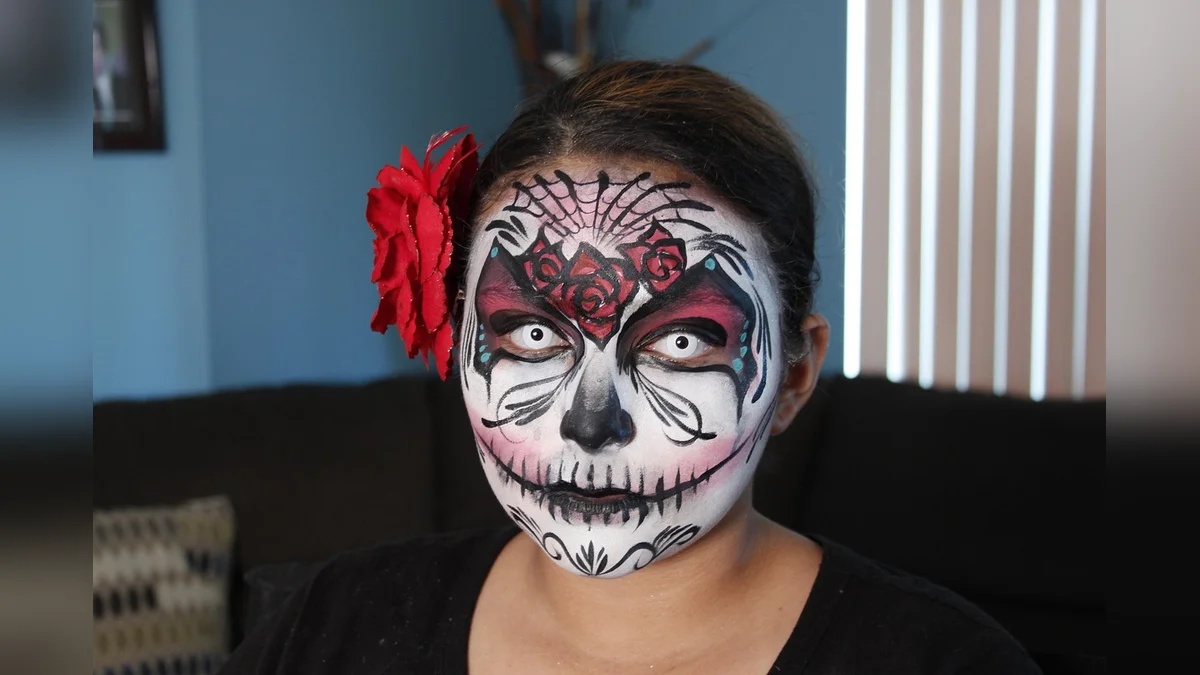
Cultural scripts dictate how aging bodies should dress, groom, and present themselves in public spaces. Older adults who reject muted colors, embrace alternative fashion, retain untraditional hairstyles, or showcase visible modifications like tattoos and piercings frequently encounter social censure. Observers tend to view nonconforming personal aesthetics as inappropriate or indicative of confusion. In reality, these stylistic choices represent personal freedom and continuous self-expression. Navigating these expectations requires separating generational discomfort from actual harm, allowing mature individuals the latitude to curate their physical presence without facing unwarranted moral judgment or paternalistic intervention from family members.

Substance Use and Hidden Habits
Substance consumption and private lifestyle habits among older populations are frequently overlooked or pathologized depending on social visibility. While youthful substance use triggers punitive responses, similar patterns in later life are often dismissed as loneliness or medical side effects, or conversely criticized harshly when they disrupt assisted living environments. Prescription medication management, alcohol consumption, and alternative herbal remedies require careful evaluation. Society struggles to balance personal autonomy with health oversight, often labeling private coping mechanisms as deviant simply because they fall outside traditional medical compliance models or family comfort zones regarding how retirement should look.
Interpersonal and Relational Independence
Relational nonconformity involves stepping outside traditional family structures, marital arrangements, or communal living expectations. Older adults who choose uncoupled living, non-traditional romantic partnerships, estrangement from adult children, or radical communal independence often face skepticism from neighbors and relatives. Society tends to equate physical or financial vulnerability with a moral obligation to submit to family oversight. When seniors assert strict boundaries over their personal space and social circles, outsiders may mislabel that independence as stubbornness or social withdrawal. True respect for later-life autonomy involves honoring these relational choices without automatically assuming distress.
Navigating Norms and Preserving Dignity
Evaluating behavior among older adults requires separating actual safety concerns from mere cultural discomfort with non-traditional lifestyles. Communities benefit from fostering open communication and respect for individual choice while remaining attentive to genuine well-being and health needs.
| Life Domain | Conventional Expectation | Deviant or Nonconforming Reality |
|---|---|---|
| Public Conduct | Quiet conformity and passive leisure | Activism, unconventional hobbies, or public disruption |
| Personal Style | Conservative attire and muted grooming | Alternative fashion, tattoos, or vibrant self-expression |
| Living Arrangements | Shared family homes or structured facilities | Radical solitude, solo travel, or untraditional partnerships |
| Health Choices | Strict adherence to standard medical advice | Alternative remedies, lifestyle risks, or self-directed care |
Practical Steps for Evaluating Senior Independence
- Observe whether a lifestyle choice genuinely threatens personal safety or health.
- Differentiate lifelong personal eccentricity from sudden cognitive or neurological shifts.
- Listen to personal motivations before labeling unconventional habits as problematic behavior.
- Consult community resources like the National Council on Aging for guidance.
Frequently Asked Questions
Why do unconventional behaviors in older adults get mislabeled?
Observers often conflate normal personality diversity or generational shifts with cognitive impairment or social decline, leading them to misinterpret harmless nonconformity as a symptom of medical or psychological distress rather than free choice.
How can families distinguish eccentricity from real risk?
Genuine safety risks typically involve neglect of basic nutrition, hazardous living conditions, or financial exploitation, whereas simple aesthetic or social choices reflect personal taste and independent living preferences.

Does social deviance change across different communities?
Yes, cultural, regional, and socioeconomic backgrounds heavily influence what local neighbors view as acceptable behavior for older adults, meaning strict norms in one region may be completely unremarkable elsewhere.
Conclusion
Recognizing the difference between genuine vulnerability and harmless personal nonconformity is essential for supporting older adults with dignity. Approaching unconventional aging with curiosity rather than immediate judgment strengthens community trust. Start by examining your own assumptions whenever an older adult behaves outside traditional expectations.