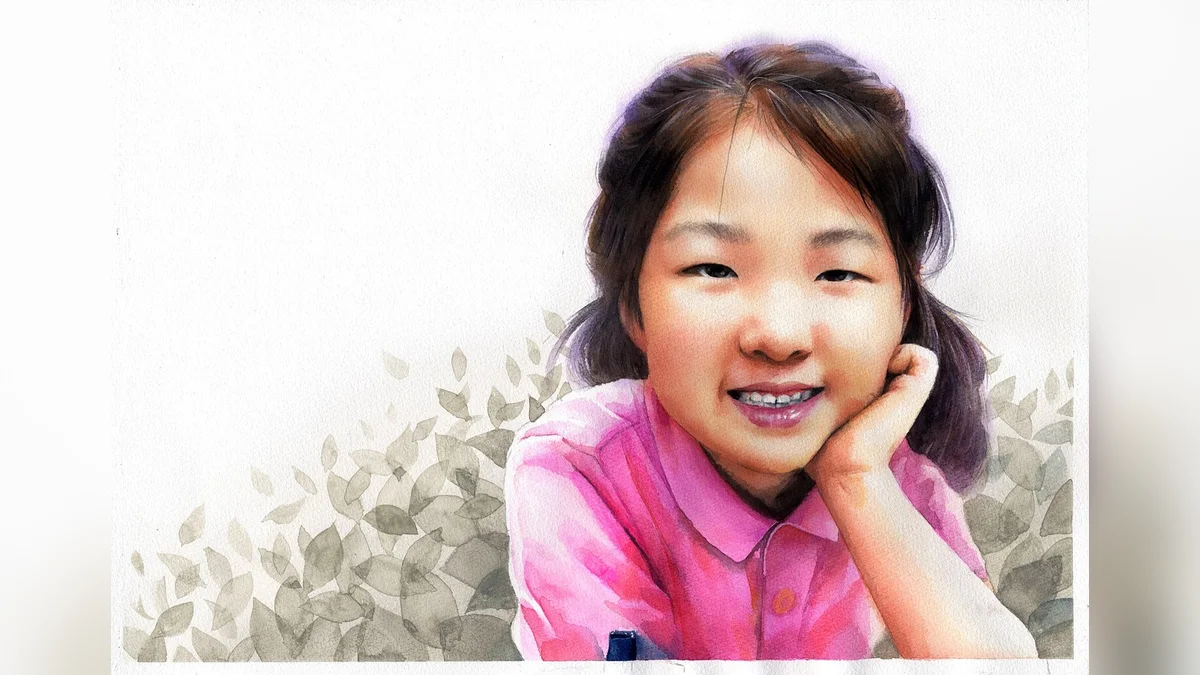
Intellectual and developmental disabilities represent a diverse group of chronic conditions that involve substantial difficulties in cognitive functioning, physical development, or adaptive behaviors. These conditions usually manifest before adulthood, impacting an individual’s daily life, communication abilities, and social interactions, while requiring long-term, compassionate support systems to help them thrive independently within their local communities.

Key Dimensions of Intellectual and Developmental Challenges
Cognitive and Adaptive Functioning
The core distinction of an intellectual disability involves limitations in cognitive functioning and adaptive behavior. Cognitive functioning refers to a person's general mental capacity, which influences learning, problem-solving, and reasoning. Adaptive behavior encompasses the practical, social, and conceptual skills that people learn and perform in their daily lives. For instance, managing personal care, understanding social cues, and adhering to community rules require adaptive skills. These limitations vary significantly from person to person. Many individuals experience mild challenges and live fully independent lives with minimal guidance, while others with more pronounced limitations may require structured, lifelong assistance with daily tasks.Developmental Milestones and Onset
Developmental disabilities are a broader category that includes intellectual disabilities as well as physical conditions like cerebral palsy or autism spectrum disorders. These conditions originate during the developmental period, which is generally defined as occurring before the age of twenty-two. Early indicators often surface as delays in reaching specific milestones, such as walking, speaking, or developing fine motor skills. Recognizing these variations early allows families to seek targeted therapies that maximize a person's long-term potential. While the underlying neurological differences remain throughout a person's lifespan, adaptive strategies and consistent environmental support can significantly enhance overall functional capabilities over time.Communication and Social Interaction
Effective communication is often a primary area of focus for individuals navigating developmental challenges. Some people may face difficulties expressing their thoughts through spoken language, which can lead to frustration or social isolation. To bridge this gap, many individuals utilize alternative communication methods, including sign language, picture boards, or electronic speech-generating devices. Social interactions also require careful navigation, as understanding abstract humor, subtle facial expressions, or complex unwritten social rules can be inherently difficult. Cultivating inclusive environments where community members speak clearly and patiently helps foster meaningful relationships and reduces the social barriers these individuals frequently encounter.Support Networks and Independence
Promoting independence while providing a reliable safety net is the foundational goal of modern support structures. Assistance is rarely one-size-fits-all; it ranges from intermittent help during major life transitions to pervasive daily care. Community-based programs, vocational training, and supported living arrangements allow individuals to exercise autonomy and make personal choices about their lives. Families, healthcare professionals, and social workers collaborate to build these customized networks. Emphasizing personal strengths rather than limitations empowers individuals to contribute to their communities, secure meaningful employment, and maintain a high quality of life throughout their adult years.Practical Steps for Families and Caregivers
Navigating the complex landscape of lifelong care requires a proactive approach centered on community resources and legal planning. Families can access state-funded services, local support groups, and specialized healthcare providers to ensure their loved ones receive comprehensive care that adapts to their changing needs over time.| Service Type | Primary Focus | Expected Outcome |
|---|---|---|
| Vocational Training | Job skills development | Meaningful community employment |
| Speech Therapy | Communication techniques | Enhanced expressive abilities |
| Occupational Therapy | Daily living skills | Greater personal independence |
| Service Coordination | Navigating public benefits | Seamless access to care |
Essential Checklist for Care Planning
- Review state developmental disability services to determine eligibility for local waiver programs and long-term financial assistance.
- Establish a comprehensive healthcare communication plan involving all primary physicians, therapists, and designated family caregivers.
- Explore legal guardianship alternatives such as supported decision-making agreements to preserve the individual's personal autonomy.
- Identify local inclusive recreational programs to encourage consistent social engagement and active community participation.
Frequently Asked Questions
What causes intellectual and developmental disabilities?
These conditions can stem from genetic variations, maternal infections during pregnancy, complications during childbirth, or severe childhood brain injuries. In many cases, the precise cause remains undetermined despite comprehensive medical evaluations.

How are these disabilities officially diagnosed?
Diagnosis involves standardized intelligence testing alongside clinical assessments of adaptive behaviors. Specialists evaluate how effectively an individual navigates conceptual, social, and practical daily skills compared to peers.

Can adults develop an intellectual disability later in life?
No, these specific disabilities are characterized by their onset during the developmental period. Cognitive declines occurring in older adulthood are classified under different medical categories, such as dementia.