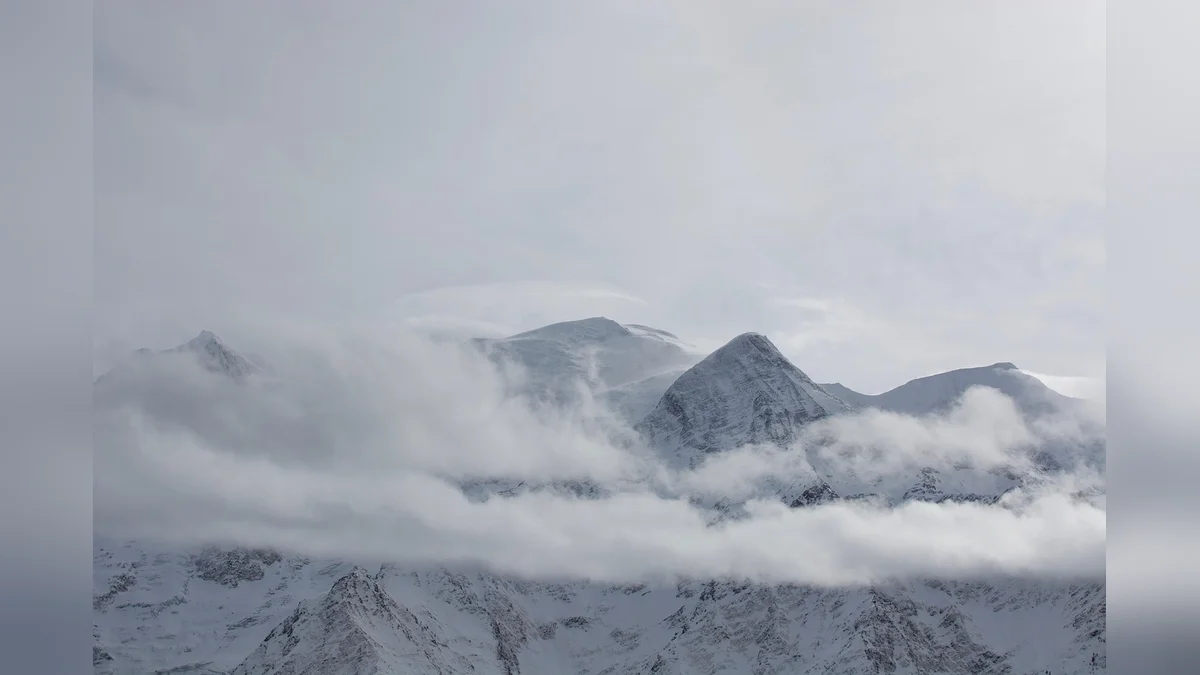
Fifty million years ago, during the Eocene epoch, Earth existed in a pronounced greenhouse climate rather than an ice age. Global temperatures soared, palm trees grew near the poles, and massive continental ice sheets were largely absent across the planet. According to details on Wikipedia, the transition into our current Late Cenozoic icehouse world did not begin until millions of years later.
Climatic Realities of the Eocene
Global Greenhouse Conditions
During this distant period, high atmospheric carbon dioxide concentrations trapped solar heat across the entire globe. Tropical forests extended far into northern latitudes where cold subarctic forests stand today. Ocean water temperatures were significantly warmer from top to bottom, which altered deep-sea currents and marine ecosystems in ways that differ drastically from modern frozen polar oceans. Researchers study chemical isotopes preserved in ancient marine shells to reconstruct these historical temperature shifts.
Absence of Polar Ice
Unlike today, both the Arctic and Antarctic regions remained free of permanent continental ice sheets throughout most of the Eocene. Dense vegetation blanketed polar lands that are now buried under thick glaciers. While high-latitude winters brought darkness and cooler weather, freezing conditions rarely persisted long enough to build lasting ice. Geological surveys show that global sea levels sat much higher because water was stored in oceans rather than locked in massive ice masses.

Atmospheric Carbon Dynamics
Volcanic activity and natural carbon cycling heavily influenced the warm atmospheric chemistry of this era. Greenhouse gases accumulated in the air without large land masses sitting at the poles to trigger runaway ice-albedo feedbacks. Weathering rates of silicate rocks slowly adjusted over deep geological time scales, eventually helping to draw down carbon levels. These atmospheric conditions created a biologically diverse world where mammals and plants rapidly diversified across fragmented continents.
Shift Toward Modern Climates
The prolonged greenhouse warmth eventually peaked and began a slow decline as tectonic movements rearranged global geography. Australia and South America separated further from Antarctica, opening deep oceanic gateways. This tectonic reorganization established the Antarctic Circumpolar Current, which thermally isolated the southern continent and set the stage for future glaciation. That eventual transition laid the groundwork for the modern icehouse era documented in studies via Wikipedia.

Geological Timeline and Context
Examining deep history reveals that Earth cycles between extended greenhouse episodes and colder icehouse periods. The warm conditions fifty million years ago highlight how atmospheric chemistry and continental positions govern global temperatures over vast spans of time.
| Climatic Factor | Eocene Epoch State | Modern Earth State |
|---|---|---|
| Polar Ice Sheets | Absent or minimal seasonal ice | Permanent sheets on Greenland and Antarctica |
| Global Sea Level | Significantly higher than today | Lower due to frozen polar freshwater |
| Atmospheric Carbon | Higher average greenhouse gas levels | Lower baseline with recent industrial rises |
| Vegetation Zones | Subtropical forests near high latitudes | Tundra and ice caps at high latitudes |
How to Explore Paleoclimate Science
- Visit regional natural history museums to view fossilized flora from ancient warm epochs.
- Read peer-reviewed geology summaries to understand how carbon shifts drive climate history.
- Examine paleography maps showing ancient continental drift across southern ocean gateways.
- Consult educational science portals to track how contemporary researchers model ancient weather.
Frequently Asked Questions
Was there any ice on Earth fifty million years ago?
No extensive continental ice sheets existed during the mid-Eocene warm period. Small alpine glaciers may have formed on the highest mountain peaks, but polar ice caps had not yet formed on Antarctica or Greenland.
What caused the planet to be so warm then?
High concentrations of atmospheric carbon dioxide and deep oceanic heat transport kept global temperatures elevated. Continental arrangements also directed warm tropical ocean currents toward higher latitudes, preventing polar freezing.
When did the first ice age finally begin?
The transition toward our current icehouse climate commenced roughly thirty-four million years ago at the Eocene-Oligocene boundary. Antarctic glaciation expanded rapidly as atmospheric carbon levels dropped and ocean currents shifted.
Conclusion
Investigating Earth's deep climate history demonstrates that global temperatures and ice coverage change dramatically over millions of years. Reviewing current geological literature provides a clearer perspective on how natural forces shape our planet's long-term environmental future.