Simple trivia for seniors is more than just a lighthearted pastime—it's a powerful way to boost cognitive health, spark joy, and foster social connection. According to the Alzheimer’s Association, mentally stimulating activities like trivia can help maintain brain health and improve mood.
Yet many caregivers and activity directors discover that trivia can quickly backfire: questions are too obscure, pacing is too fast, or the atmosphere feels like a test. Without careful design, what should be fun becomes a source of anxiety. The difference lies not in harder questions, but in how you structure the experience.
You’ll learn five concrete secrets that make trivia sessions engaging, memory-friendly, and genuinely uplifting—whether you’re leading a group at a senior center or sitting with a loved one at home.
1. Pick Questions That Feel Instantly Familiar
The wrong trivia question can shut down participation before it starts. When designing simple trivia for seniors, the most effective questions tap into widely shared life experiences—classic movies, well-known songs, everyday history, and common household items from decades past. A question like “What famous band sang ‘Hey Jude’?” works because the answer feels accessible.
In contrast, questions about recent pop culture or niche sports can leave participants feeling out of touch.
AARP’s trivia games, such as those found on the AARP Trivia page, intentionally curve questions toward the 1950s through 1970s, a sweet spot that aligns with long-term memory strengths. Research on reminiscence consistently shows that older adults recall events from their youth with greater clarity than recent facts, making nostalgia-based trivia a natural fit for simple trivia for seniors.
Stick to three to four answer choices per question to reduce mental load, and avoid trick questions that punish rather than reward.
How to apply this: Test your next trivia set by asking, “Could a typical 75-year-old answer this without stress?” If you hesitate, choose a more universal topic.
2. Turn Nostalgia Into a Powerful Memory Trigger
Nostalgia is not just a feel-good bonus; it’s a cognitive anchor that can make simple trivia for seniors far more effective. The Alzheimer’s Association emphasizes that reminiscence-based activities stimulate neural pathways tied to long-held memories, often yielding quicker and more confident responses than abstract logic puzzles.
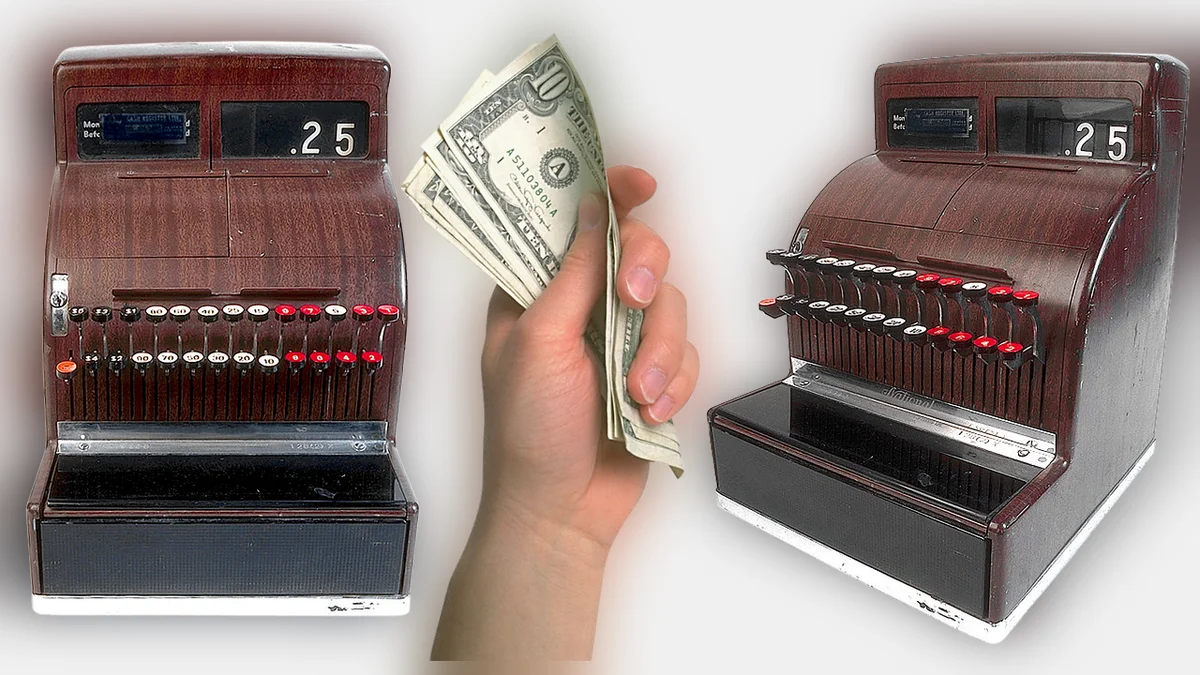
Tapping into this natural reservoir transforms trivia from a quiz into a shared storytelling moment.
For example, rather than asking a dry history question, phrase it around everyday life: “What appliance became common in most kitchens during the 1950s?” This invites not just an answer but also personal anecdotes—“My mother got her first refrigerator in 1953!” Spontaneous storytelling enriches the experience and reinforces social bonds, which are just as critical as the mental workout.
Simple trivia for seniors that weaves in sensory cues—a photo of a vintage diner, the first few notes of an old song—can trigger even stronger recall. Keep a few related follow-up prompts on hand to encourage gentle conversation after each answer.
How to apply this: Pair at least one trivia question per session with a photo, object, or snippet of period music to deepen engagement.
3. Match the Format to the Social Setting
The same trivia content can flop or flourish depending on how it’s delivered. When planning simple trivia for seniors, consider whether you’re working one-on-one, with a small circle, or in a larger community room. Each setting calls for a distinct rhythm.
| Format | Ideal Group Size | Tools to Try | Key Benefit | Action to Take |
|---|---|---|---|---|
| Solo trivia | 1 person | Fun Trivia or printed question cards | Self-paced, no pressure; builds confidence | Print 10 questions and place them in a visible spot for daily use. |
| Small circle | 3–6 people | Laminated question decks, conversation-based prompts | Encourages gentle discussion and social connection | Sit in a comfortable circle, read each question aloud slowly, and invite everyone to guess before revealing. |
A common scenario: a retirement community activity director switched from a rapid-fire digital quiz to a slow-paced, discussion-style format with printed cards, and participation nearly doubled. The key is to ensure that the mechanics of trivia never overshadow the human connection at the heart of simple trivia for seniors.
How to apply this: Pick the format from the table that best fits your next session, and test it with a five-question warm-up to see how the group responds.
4. Use Visual and Audio Clues Liberally
Sight and sound can rescue a trivia session that would otherwise fall flat. Simple trivia for seniors becomes far more inclusive when you supplement text questions with large-print images, song clips, or familiar objects. Many residents in assisted living have varying degrees of hearing or vision impairment, and a spoken question alone may miss a significant portion of the room.
Incorporate a picture round where participants identify a famous landmark like the Eiffel Tower or a well-known painting. Use a Bluetooth speaker to play the opening few seconds of a 1960s hit and ask for the title or artist. These multisensory approaches align with universal design principles that benefit everyone.
They also reduce reliance on reading speed, making simple trivia for seniors accessible to those with mild cognitive changes or literacy differences. Keep any written clues at a large font size—typically 24 point or larger—and always repeat questions verbally at a measured pace.
How to apply this: Before your next trivia session, prepare three visual slides and one audio clip to accompany your questions; ask participants which format they enjoyed most.
5. Celebrate Every Near-Correct Answer
The spirit of the activity matters more than scoring. Simple trivia for seniors thrives on encouragement, not competition. When someone offers an almost-right answer—“Was it The Beatles or The Rolling Stones?”—acknowledge the effort warmly before gently giving the correct response. A quick “You were so close! That’s a great guess” keeps the mood buoyant and reduces any fear of embarrassment.
Many seasoned facilitators explicitly replace scorekeeping with light applause or a “group round” where the whole room discusses the answers together. This approach lowers the stakes and turns trivia into a shared puzzle, not a performance.
Psychological safety is especially important for individuals with early-stage cognitive decline; the Alzheimer’s Association notes that positive reinforcement during cognitive activities can increase participation willingness and overall enjoyment. When you frame every answer as a contribution, even a quiet participant feels seen.
How to apply this: Ban the word “wrong” from your vocabulary during trivia. Replace it with phrases like “Good try, the answer is…” and watch participation rise.
Frequently Asked Questions About simple trivia for seniors
1. How do I adapt simple trivia for seniors with dementia or memory loss?
Focus on recognition over recall. Use a picture-based format where participants point to the right image or simply nod. Yes/no questions like “Did Frank Sinatra sing ‘My Way’?” often work better than open-ended prompts. Keep sessions under 15 minutes and follow their emotional lead—if a question sparks agitation, move on.
Simple trivia for seniors with cognitive decline is about creating moments of connection, not testing memory.
2. What if a senior has hearing loss during group trivia?
Position the person close to the speaker and use a portable voice amplifier if needed. Provide large-print question cards they can read while listening. Repeating each question once and allowing extra time ensures they aren’t left behind. A flimsy sound setup is the fastest way to break engagement in simple trivia for seniors, so test the room acoustics beforehand.
3. Can I host simple trivia for seniors over the phone or on a video call?
Absolutely. Phone-based trivia works well one-on-one with a loved one: just read questions slowly and chat about the answers. On video platforms like Zoom, you can share your screen to display photos or text. Send a printed question sheet ahead by mail so they can follow along.
Simple trivia for seniors via phone calls is especially valuable for isolated older adults who enjoy a regular social appointment.
4. How long should a trivia session last for older adults?
A sweet spot is 20 to 30 minutes, including leisurely discussion. Shorter sessions of 15 minutes can be ideal for individuals with attention challenges. Watch for signs of fatigue—yawning, looking away, fidgeting—and wrap up naturally. Consistency matters more than marathon sessions; a twice-weekly simple trivia for seniors routine builds anticipation without overwhelming.
5. Are there trivia topics I should avoid with seniors?
Steer clear of questions that touch on recent loss, financial matters, or deeply personal milestones that may trigger grief. Avoid anything with rapidly changing pop culture or technology that could feel alienating. Simple trivia for seniors should celebrate shared, positive memories; keep the tone warm and the subject matter rooted in the era they remember fondly.
Key Takeaways and Your Next Step
- Choose familiar, nostalgia-rich questions that align with long-term memory strengths — this is the foundation of effective simple trivia for seniors.
- Adapt the format to the setting: solo, small group, or large group, and always add visual or audio cues.
- Replace competitive scoring with warm encouragement and celebrate every near-miss answer.
- Even a few minutes of thoughtfully planned trivia can lift mood, spark conversation, and strengthen cognitive engagement.
Start small: pick one secret from this article and test it this week. Print five nostalgia-based questions with pictures, use a speaker for a music round, or simply ban the word “wrong” from your next session.
Simple trivia for seniors isn’t about knowing all the answers—it’s about creating those bright moments of recognition and shared laughter that can brighten an entire day. Try one idea this afternoon and watch the difference.





