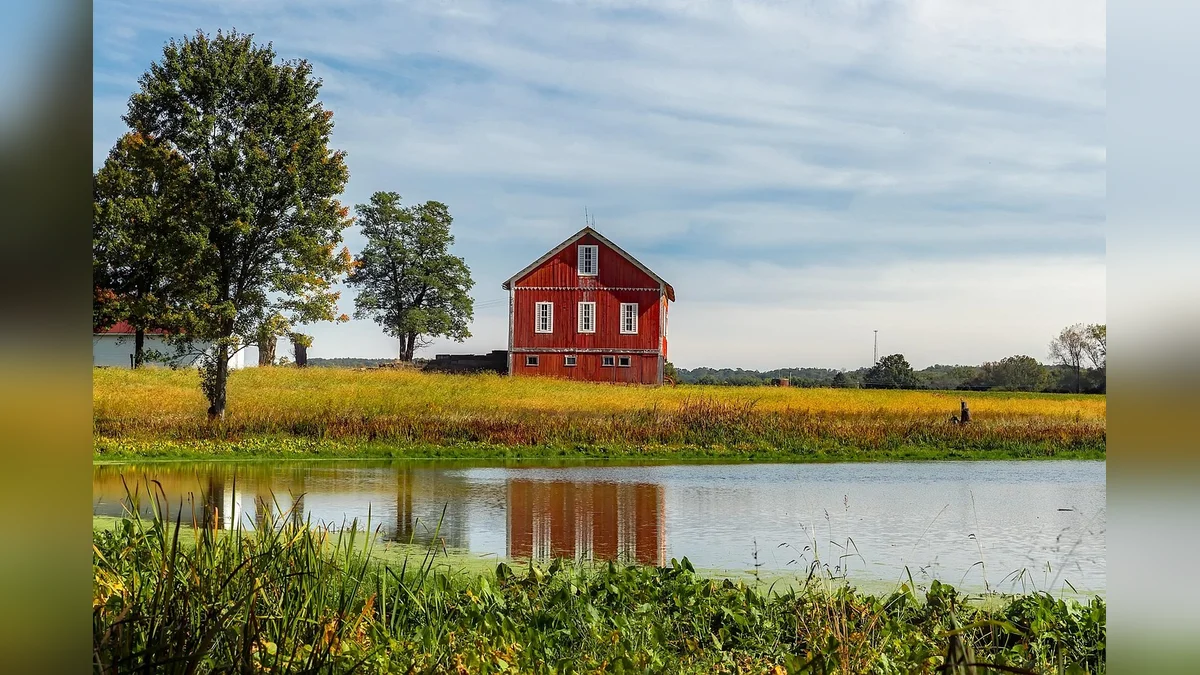
Retiring in Michigan offers older adults a compelling blend of scenic natural beauty, diverse cultural experiences, and distinct regional choices. From the bustling urban centers and quiet suburbs of the Lower Peninsula to the serene, wilderness-dense expanses of the Upper Peninsula, the Great Lakes State provides a rich backdrop for a fulfilling and vibrant retirement lifestyle.
Key Factors for Your Michigan Retirement
Cost of Living and Housing Choices
Michigan remains an attractive destination for retirees due to its relatively affordable housing market and reasonable overall cost of living. Whether you are looking to downsize into a lakeside condo, purchase a suburban bungalow near excellent medical facilities, or find a quiet rural retreat, the state offers diverse options that fit various budgetary needs. Utilities and healthcare expenses generally align with national averages, allowing your retirement savings to stretch further than they might in high-cost coastal areas. Navigating the local real estate markets reveals communities tailored to peaceful, independent senior living arrangements.
Four Distinct Seasons and Outdoor Recreation
Living in the Great Lakes region means embracing a truly seasonal lifestyle that transforms the landscape every few months. Crisp autumns bring spectacular fall foliage tours, while winters offer snow-covered vistas perfect for snowshoeing or watching quiet lake freezes. Springs bloom beautifully, leading directly into warm, pleasant summers spent by the water, golfing, or exploring thousands of miles of pristine freshwater shoreline. This climate suits active adults who appreciate shifting outdoor activities and the refreshing rhythm of changing seasons, provided they are prepared for substantial winter snow management and colder temperatures.

Healthcare Infrastructure and Regional Systems
Access to quality medical care is a primary consideration for retirees, and Michigan boasts several nationally recognized healthcare systems and teaching hospitals. Major urban areas offer exceptional specialized care, innovative research centers, and comprehensive geriatric services to support long-term wellness. Even smaller regional cities feature robust hospital networks that ensure reliable emergency services and routine medical checkups are rarely far away. Planning your residential location near these established medical corridors ensures peace of mind and seamless continuity of care as your personal health and wellness needs evolve over time.
Community Life and Cultural Opportunities
Finding a strong social connection is seamless within the state's numerous college towns, historic coastal villages, and active community centers. Retirees can immerse themselves in lifelong learning programs, attend world-class musical performances, visit local art museums, or participate in thriving volunteer networks. Farmers markets, summer festivals, and local library events foster a deep sense of belonging and keep residents engaged with neighbors of all generations. This vibrant cultural fabric helps newly relocated retirees build supportive friendships and maintain a stimulating, active mind throughout their post-career years.

Evaluating Regional Regions and Tax Realities
Choosing the right destination requires balancing personal lifestyle preferences with the practical financial rules of the state. Michigan features unique geographical divisions that impact daily living costs, winter weather severity, and accessibility to amenities. Understanding these local variations ensures your selected community truly supports your long-term comfort, budget, and daily activities.
| Region Type | Primary Advantages | Key Considerations |
|---|---|---|
| Coastal Towns | Waterfront views and summer festivals | Higher seasonal tourism crowds |
| College Cities | Abundant cultural events and hospitals | Increased traffic during semesters |
| Suburban Areas | Proximate shopping and medical care | Higher average property taxes |
| Upper Peninsula | Serene wilderness and lower costs | Extremely heavy winter snow |
Essential Practical Steps for Prospective Retirees
- Visit your chosen Michigan communities during different seasons to experience the true local winter weather conditions firsthand.
- Consult a qualified financial professional to review how state tax laws apply to your specific retirement income.
- Research the proximity and specialized services of local hospital networks relative to your intended neighborhood or home.
- Explore local community centers and regional senior organizations to assess available social activities and volunteer options.
Frequently Asked Questions
What is the winter weather like for residents?
Winters are cold and bring significant snowfall, especially in western areas and the Upper Peninsula due to lake-effect patterns. Residents should prepare for regular snow removal, icy roads, and shorter daylight hours by winterizing homes and vehicles early.
Are there community activities for older adults?
Yes, municipalities across the state sponsor active senior centers, lifelong learning courses through local universities, and extensive volunteer programs. Coastal towns and urban centers also host year-round cultural festivals, art fairs, and accessible outdoor recreation groups.
How accessible is healthcare in rural areas?
While major medical centers are concentrated in larger cities, rural regions rely on a network of dependable community hospitals and clinics. Retirees with specialized health needs should carefully verify the driving distance to the nearest comprehensive medical facility.
Conclusion
Retiring in Michigan provides an enriching lifestyle filled with beautiful Great Lakes landscapes, affordable living options, and welcoming communities. By carefully weighing the distinct regional climates, local tax implications, and proximity to healthcare systems, you can confidently choose the perfect setting for your future. Begin your journey by drafting a personalized checklist of your top priorities for a Michigan home.