retirement pic is a search phrase that reveals a real problem: retirees want photos of their retirement years, yet many publishers and creators don't know what the term means or how to use it. Search data from Google Trends shows interest in retirement-related imagery stays steady year-round, with spikes around New Year and tax season.
The issue is that "retirement pic" is ambiguous — it can mean stock photography, a personal retirement portrait, or even a social media post about leaving work. This guide covers five practical strategies for creating, sourcing, and publishing retirement photos that rank well and connect with real audiences.
1. Understand What People Mean by retirement pic
A retirement pic is any image tied to retirement — from staged stock photos to candid last-day-at-work shots. Google's own help documentation notes that search intent drives how images get surfaced, and retirement queries split into three clear buckets.
- Personal milestone photos: retirement party pictures, farewell portraits, and "last day" social posts
- Stock imagery: licensing photos of happy seniors, travel, and hobbies for websites
- Informational graphics: charts and illustrations about savings, pensions, and retirement planning
Knowing which bucket your audience wants changes everything. A financial blog needs clean informational visuals; a family memoir needs authentic, unposed shots. Matching intent to image type is the difference between a page that ranks and one that gets ignored. Google's Search Quality Rater Guidelines emphasize that helpful content matches user intent — imagery is part of that.
How to apply this: write down your audience's goal in one sentence before you search for or shoot a single retirement pic.
2. Source retirement pic Safely and Legally
Licensing mistakes are the most common trap when publishing retirement imagery. Stock agencies like Unsplash and Pexels offer free-license retirement photos, while paid libraries like Shutterstock provide model releases you can verify.
Always check three things: the license type, whether a model release exists, and whether commercial use is allowed. A "free" image without a release can still create legal risk if a real person appears in it. The U.S. Copyright Office explains that copyright protection applies to original photographic works, so attribution alone does not grant usage rights.

| Source type | Best for | What to check | Action to take |
|---|---|---|---|
| Free stock (Unsplash, Pexels) | Blog headers, social posts | License terms | Save the license screenshot |
| Paid stock (Shutterstock) | Commercial ads, print | Model release | Download the release PDF |
| Original photography | Personal, branded content | Subject consent | Get a signed waiver |
| AI-generated images | Concept visuals | Platform policy | Label as AI-created |
A common scenario: a retirement blog grabs a "free" photo of a smiling senior, only to find the model never signed a release. Verifying releases takes five minutes and prevents takedown requests.
How to apply this: create a simple spreadsheet tracking every retirement pic source, license, and release status.
3. Optimize retirement pic for Search and Social
Image SEO for a retirement pic comes down to file names, alt text, and dimensions. Google's image publishing guidance recommends descriptive filenames and alt text that explain the image's content — not keyword lists.
Rename files like retirement-pic-couple-traveling.jpg instead of IMG_4821.jpg. Write alt text that describes the scene in plain language: "Retired couple hiking a coastal trail in their sixties." Keep file sizes under 200KB where possible; page speed tools consistently show large images slow load times and hurt rankings.
For social platforms, square and 4:5 crops perform better on mobile feeds. Instagram and Facebook both crop landscape retirement pics awkwardly, so pre-crop before uploading. Use Google Search Console to monitor image search performance and spot which retirement pic pages get the most impressions.
How to apply this: rename and re-alt-text your five most-visited retirement pic images this week.
4. Build a retirement pic Content Strategy
A single retirement pic rarely ranks alone — themes and galleries do better. Organize images into clusters: retirement travel, retirement hobbies, retirement celebrations, and retirement planning visuals.
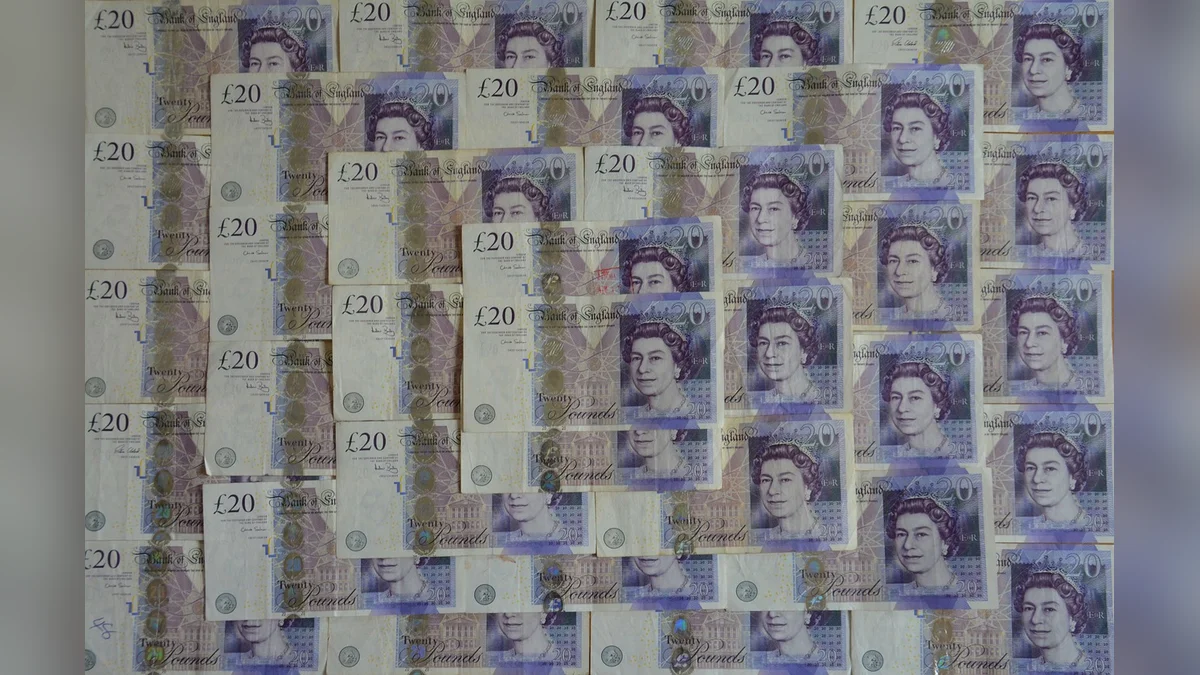
Each cluster needs a supporting page with 300-500 words of context. Search engines reward pages where images sit alongside genuinely useful text. Industry surveys consistently show that pages combining strong visuals with substantive copy outperform image-only galleries, though results vary by niche.
Consider building a "retirement pic ideas" hub page that links to each cluster. Internal linking helps both readers and crawlers find related content. Track engagement with Google Analytics to see which retirement pic themes hold attention longest.
How to apply this: map your existing retirement photos into three or four thematic clusters and build one hub page around them.
5. Avoid Common retirement pic Mistakes
The fastest way to lose trust is a retirement pic that feels fake or stereotyped. Audiences notice when every senior looks like a stock model holding a golf club.
Avoid these recurring errors:
- Using only young-looking "seniors" who clearly aren't retired
- Ignoring diversity in age, race, and ability
- Skipping alt text or stuffing it with keywords
- Publishing low-resolution images that pixelate on retina screens
- Forgetting mobile crops
The National Institute on Aging notes that portrayals of older adults in media often rely on stereotypes, which can alienate the very audience you want to reach. Authentic retirement imagery — real hobbies, real homes, real expressions — connects better and earns more shares.
How to apply this: audit your last ten retirement pic posts and replace any image that looks staged or stereotyped.

Frequently Asked Questions About retirement pic
What does retirement pic mean in search results?
It usually refers to a photo related to retirement — a party portrait, a stock image of seniors, or a planning graphic. Intent varies, so check the top results for your target phrase. If most results are personal photos, a retirement pic gallery may not match. Match your image type to what already ranks.
Can I use a retirement pic from Google Images?
No — Google Images is a search engine, not a license source. The image belongs to its original creator, and Google's help pages state that you must contact the rights holder for permission. Even a retirement pic marked "free to use" needs verification on the original site before you publish it.
How do I take a good retirement pic at a party?
Use natural light, get candid shots instead of stiff lineups, and capture details like decorations and gifts. Shoot both wide scenes and close portraits. A retirement pic works best when it tells a story, so include the guest of honor reacting, laughing, or being surprised rather than only posing.
Do AI-generated retirement pic images rank well?
They can rank if they're high quality and clearly labeled. Google's guidance favors helpful, original content, and AI images are acceptable when disclosed and relevant. Avoid using AI retirement pics to depict real people or events. Always check the platform's policy on synthetic media before publishing a retirement pic.
How often should I update retirement pic content?
Review image pages every six to twelve months. Refresh outdated photos, fix broken links, and update alt text as your audience shifts. A retirement pic page from three years ago may show dated fashion or technology. Regular updates signal freshness to search engines and keep readers engaged.
Conclusion
Getting retirement imagery right comes down to a few core habits:
- Match your retirement pic to real search intent before publishing
- Verify licenses and model releases every single time
- Optimize file names, alt text, and dimensions for search and mobile
- Group images into themed clusters with supporting text
- Replace staged or stereotyped photos with authentic ones
Start today by auditing your five most-viewed retirement pic images — rename files, rewrite alt text, and confirm licensing. Small fixes compound into better rankings and stronger audience trust over time.





