retirement centerpieces are more than table decor — they set the tone for a milestone party and give guests something to talk about. Yet many hosts freeze at the planning stage, unsure whether to go elegant or playful, homemade or store-bought. The pressure is real: a centerpiece sits at eye level for hours, and a rushed choice shows.
This guide breaks down five practical secrets that solve the problem, from budget math to DIY shortcuts. You'll get concrete sourcing tips, a comparison table you can act on, and answers to the edge cases most guides skip. By the end, you'll know exactly which style fits your venue, your budget, and your guest list.
Match the Centerpiece to the Venue Before You Buy Anything
The single biggest mistake hosts make is choosing decor before they see the room. A tall floral arrangement can block sightlines at a long banquet table, while a low bowl gets lost in a ballroom with 20-foot ceilings. Walk the space first and measure your tables.
Retirement parties happen in three common settings, and each demands different decor logic:
- Restaurant private rooms — often dim and crowded; low, compact centerpieces with battery candles work best
- Community halls — bright fluorescent lighting flattens color; go bold and high-contrast
- Outdoor tents or gardens — wind and heat destroy delicate arrangements; choose weighted bases and faux blooms
A practical rule many event planners share: keep centerpieces under 12 inches tall for seated dinners and under 16 inches for cocktail-style events. That guidance isn't a hard industry standard, but it reflects the sightline problems caterers report repeatedly.
Consider a retirement dinner where the guest of honor sits at a head table facing the room. A tall centerpiece directly in front of them becomes a wall. Shifting to low arrangements solved the problem instantly and cost less.
How to apply this: Before ordering, photograph your venue's tables and note ceiling height, lighting, and seating layout — then filter every centerpiece option against those three constraints.
Choosing retirement centerpieces before seeing the room is the single biggest mistake hosts make. A tall arrangement can block sightlines at a long banquet table, so measure first.
Plan one retirement centerpieces piece per guest table, plus three extras for buffet, gift table, and entrance. For 100 guests at round tables of eight, that means roughly 13 to 15 pieces.
Set a Realistic Budget Using a Per-Table Formula
Most hosts overspend because they budget per centerpiece instead of per table — and forget the multiplier. A retirement party with 12 tables needs 12 centerpieces, plus extras for the buffet, gift table, and entrance. That math changes everything.
A simple formula keeps retirement centerpieces affordable:
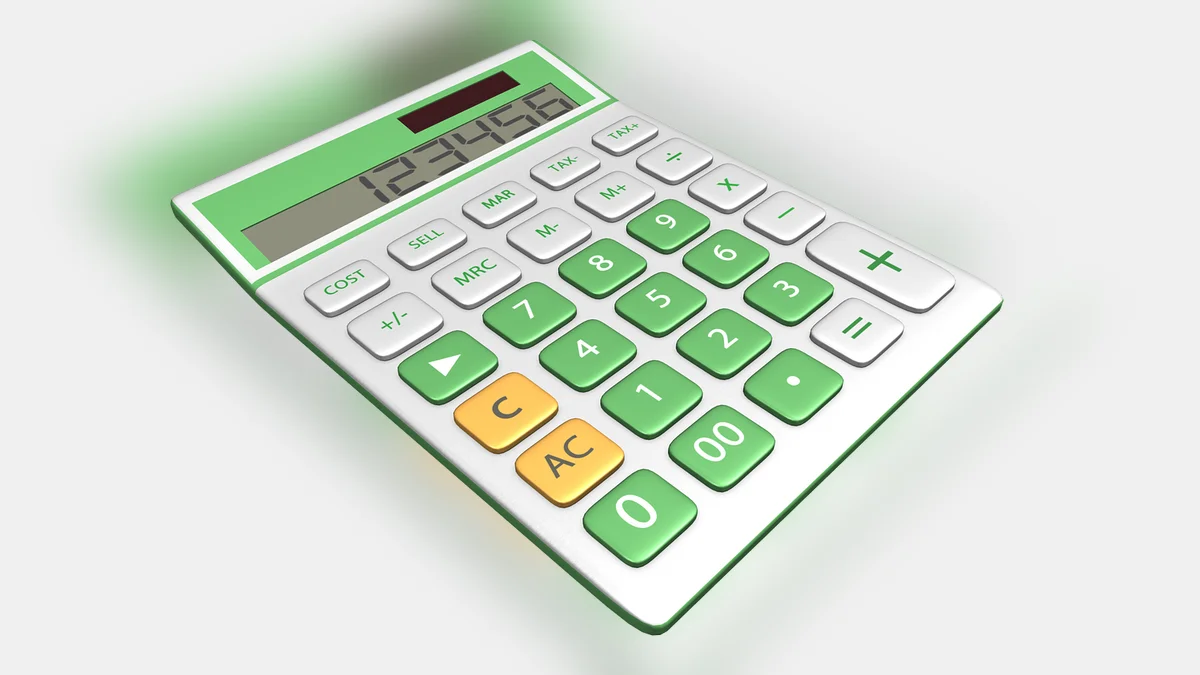
- Decide your total decor budget.
- Reserve 60% for table centerpieces.
- Divide by the number of tables.
- That number is your per-piece ceiling — including vase, filler, and any rental fees.
Real-world costs vary widely by region and season, and industry surveys consistently show a broad range rather than a single figure. Fresh flowers spike around holidays and major wedding seasons, so off-season timing can meaningfully lower costs. Faux florals, potted plants, and DIY assemblies generally cost less and can be reused or gifted afterward.
One host planning a 10-table event discovered that rented vases plus grocery-store blooms came in far below a florist package — and guests took the arrangements home as favors.
How to apply this: Write your table count and per-piece ceiling on paper today, then price three sourcing routes (florist, grocery store, online) against that number before committing.
Choose a Theme That Tells the Retiree's Story
Generic "Happy Retirement" decor fades into the background. Centerpieces that reflect the honoree's career, hobbies, or personality become conversation starters and memorable keepsakes. This is where retirement centerpieces move from decoration to storytelling.
Strong theme directions include:
- Career nods — a teacher's centerpiece built from vintage books and apples; an engineer's from small tools or blueprints
- Hobby anchors — fishing gear, golf balls, gardening trowels, or travel maps as bases
- Life-chapter themes — "next chapter" decor with open books, globes, or clocks
- Heritage touches — family photos in small frames clustered with greenery
The trick is restraint. Pick one theme element per table and repeat it, rather than mixing five ideas into one crowded arrangement. Repetition reads as intentional design; clutter reads as chaos.
In one case, a retiree who spent 30 years as a librarian got centerpieces made from stacked secondhand books wrapped in twine — cheap, personal, and instantly photographed by every guest.
How to apply this: Ask the honoree's family for three words that describe them, then build a single centerpiece concept around one of those words.
DIY vs. Store-Bought: Compare Before You Commit
The DIY-versus-buy decision comes down to time, skill, and how many pieces you need. Both routes produce excellent retirement centerpieces — the failure mode is underestimating assembly time.
| Option | Best for | Time per piece | Action to take |
|---|---|---|---|
| Florist package | Large events, tight timelines | None (delivered) | Get quotes 6–8 weeks out |
| Grocery-store blooms | Budget-friendly fresh look | 15–20 min | Order 3 days ahead |
| Full DIY from craft store | Personal, themed decor | 45–90 min | Buy 10% extra supplies |
| Potted plants | Reusable, low-maintenance | 5 min | Check for pet-safe species |
| Rental services | Formal venues | None | Confirm pickup deadlines |
A useful benchmark: if you need more than 10 pieces and have under two weeks, DIY becomes a stress risk rather than a saving. Craft supply runs, drying time for paint, and assembly all compound.

For planning and tracking your supply list, a free tool like Google Sheets keeps costs and quantities in one place, and Pinterest remains a strong visual research board for theme ideas.
How to apply this: Count your tables, multiply by your realistic assembly time, and if the total exceeds one full evening, outsource at least half the pieces.
Handle Logistics, Safety, and Cleanup Like a Pro
Beautiful retirement centerpieces fail on logistics more often than on design. Fire rules, venue restrictions, and cleanup duties catch hosts off guard every season.
Key logistics to confirm with your venue:
- Open-flame policy — many venues ban real candles; battery LED candles are the safe substitute
- Setup window — confirm how early you can arrive and whether the venue provides tables for assembly
- Disposal rules — some venues charge fees if you leave floral waste behind
- Giveaway plans — decide in advance who takes pieces home so nothing is abandoned
The National Fire Protection Association notes that candles are a leading cause of home decoration fires, and its candle safety guidance recommends keeping flames well away from anything flammable — advice that applies directly to table decor in crowded rooms.
Weight matters too. Lightweight vases tip in busy rooms, so add a few glass marbles or a felt base. And label boxes by table number so setup takes minutes, not hours.
How to apply this: Call your venue this week and ask three questions — open flame policy, setup time, and cleanup expectations — then adjust your centerpiece plan to match.
Frequently Asked Questions About retirement centerpieces
How many retirement centerpieces do I actually need?
Plan one per guest table, plus one each for the buffet, gift table, and entrance — usually three extras. For a 100-guest event with round tables of eight, that means roughly 13 to 15 pieces.
If your venue uses long banquet tables, count one piece every four to six feet instead of per table, and confirm seating layout with the venue before ordering.
Tall retirement centerpieces work well for cocktail-style events and rooms with high ceilings. They add drama and photograph beautifully, but avoid them at seated dinners where they block conversation.
For a 100-guest event with tables of eight, plan one per table plus three extras, so roughly 13 to 15 retirement centerpieces.
What are good retirement centerpieces for a male honoree?
Career and hobby themes work well: small tool caddies, golf ball arrangements, fishing float bowls, or stacked books on wood slices. Avoid assuming flowers are off-limits — masculine palettes like deep greens, leather tones, and wood textures still use greenery.
Ask the family for one hobby detail, then build a single repeated element around it so the retirement centerpieces feel deliberate rather than random.
Can I reuse retirement centerpieces for another event?
Potted plants, faux florals, and structural pieces like lanterns or wood crates reuse well with minor swaps. Fresh flowers typically last three to seven days depending on species and heat. If you plan to reuse, choose neutral vases and avoid personalized signage glued to the base.
Store pieces in labeled bins so the next event's retirement centerpieces don't require a full re-buy.
Are tall centerpieces ever a good idea?
Yes, for cocktail-style events and rooms with high ceilings where guests stand and mingle. Tall pieces add drama and photograph well. The exception is seated dinners, where they block conversation across the table.
A workaround is a tall, thin design with a clear stem so guests can see through it — this keeps the height while removing the sightline problem entirely.
Yes, tall retirement centerpieces work well for cocktail-style events and rooms with high ceilings where guests stand and mingle. They add drama and photograph beautifully, though they can block conversation at seated dinners.
How do I keep costs down without looking cheap?
Focus spending on one hero element per table and fill the rest with inexpensive volume — greenery, kraft paper, battery candles, or seasonal produce. Consistency beats variety: ten identical simple retirement centerpieces look more polished than ten mismatched elaborate ones. Buy blooms in season, borrow vases from friends, and skip printed signage in favor of handwritten cards.
Conclusion
Great retirement centerpieces come down to a few disciplined choices rather than a big budget. Keep these takeaways in mind:
- Measure your venue and seating before choosing any design
- Budget per table, not per piece, and reserve 60% for centerpieces
- Build the theme around one detail from the honoree's life
- Confirm flame, setup, and cleanup rules with the venue early
Your next step is simple: call the venue and write your table count and per-piece budget on one page. With those two numbers locked in, every remaining decision about retirement centerpieces becomes fast and confident.





