A resignation for retirement letter is the formal document that announces your departure from a job because you are retiring, and it differs from a standard resignation in one key way: it signals the end of your career rather than a move to another employer.
Many HR departments report that retirement-related exits now make up a growing share of voluntary separations as workforces age. The problem is that most people have never written one and worry about saying the wrong thing or accidentally triggering a policy issue.
This guide covers what to include, how to structure the letter, and the practical steps that protect your benefits and your reputation.
What a resignation for retirement letter should actually contain
A resignation for retirement letter needs five core elements: your intent to retire, your final working date, a brief expression of gratitude, an offer to help with the transition, and your signature. Everything else is optional.
The US Department of Labor notes that retirement timing can affect pension accrual and benefit eligibility, so it pays to confirm your dates with HR before you commit anything to paper. Write the letter only after you have checked your plan documents.
Keep the tone professional and warm. This is not the place for grievances or detailed explanations of your personal finances.
Here is a short structure you can adapt:
- Opening line stating your retirement and final date
- One or two sentences of appreciation for the organization
- A commitment to assist with handover or training
- A closing line with your contact details for the transition period
A well-built resignation for retirement letter gives HR a clean record and gives you a graceful exit. How to apply this: draft your final date and check it against your benefits paperwork before writing a single sentence.
How to time your resignation for retirement letter correctly
Timing matters more than most people expect. A common scenario involves an employee who submits notice two weeks out, then discovers their pension vesting date falls three weeks later.
Standard professional notice is two to four weeks, but retirement often justifies more. Give your manager at least one month when your role carries institutional knowledge or you manage a team.
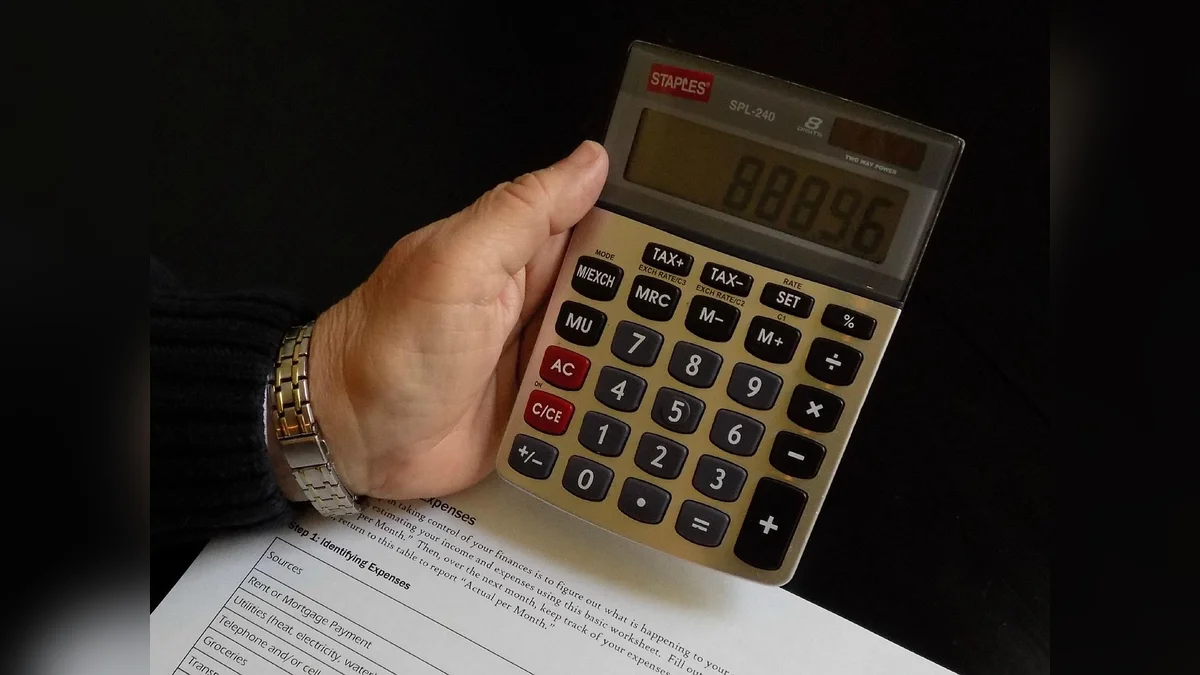
Check these dates before you submit:
| Item to check | Why it matters | Action to take |
|---|---|---|
| Pension vesting date | Missing it by days can cost years of credit | Confirm in writing with HR |
| Health coverage end date | Gaps create expensive interim premiums | Ask about COBRA or retiree plans |
| Bonus or payout schedule | Resigning early may forfeit earned pay | Review your compensation letter |
| Unused vacation policy | Payout rules vary by employer | Request the written policy |
| 401(k) match timing | Employer contributions may need a set tenure | Verify with your plan administrator |
The Society for Human Resource Management advises employers to document retirement separations clearly, and the same discipline helps you. Put your dates in writing and keep a copy for your own records. How to apply this: request your benefits summary from HR this week and highlight every date that falls near your planned exit.
Check your pension vesting date before submitting any resignation for retirement letter, since timing mistakes can cost thousands.
Common mistakes that weaken a resignation for retirement letter
The most frequent mistake is vagueness. Phrases like "stepping back" or "moving on" leave HR unsure whether you are retiring or resigning, which can complicate benefit processing.
Avoid these traps:
- No specific final date — always give a calendar date, not "end of next month"
- Over-explaining — you do not owe anyone your medical or financial details
- Negative commentary — complaints in writing follow you and can affect references
- Skipping the handover offer — it costs one sentence and protects your reputation
- Verbal-only notice — a resignation for retirement letter should be written and retained
A resignation for retirement letter is a permanent record, so treat every line as something you would be comfortable seeing again in five years.
In one case, an employee wrote a warm letter but forgot to state a final date, and the company processed the exit as immediate. The result was three weeks of unpaid leave before the pension date. How to apply this: read your draft once looking only for a date, a signature, and a stated reason, then fix whatever is missing.
Using templates and tools to draft your letter
You do not need special software, but the right tools make the letter cleaner and easier to file. A simple word processor plus a document manager covers most needs.
Tool options worth knowing:

- Google Docs — free templates and easy sharing with HR for confirmation
- Microsoft Word — built-in letter templates and clean PDF export
- Grammarly — catches tone and grammar issues before you send
Keep the letter to one page. Attach any requested forms separately rather than folding them into the body.
If your employer runs a formal offboarding process, ask whether they have a preferred format. Some organizations require a specific resignation for retirement letter on company letterhead or a signed PDF.
According to the Equal Employment Opportunity Commission, employers must keep personnel records including resignation documentation for specified periods, which is one reason your letter should be accurate and complete. How to apply this: open a fresh document, paste your draft, and run a grammar check before you send anything.
What to do after you submit the letter
Once your resignation for retirement letter is delivered, the work shifts to transition and paperwork. Follow up in writing to confirm receipt.
Practical next steps:
- Get written acknowledgment from HR with your final date confirmed
- Schedule the handover and document your ongoing projects
- Request benefits enrollment forms for retiree health or pension elections
- Confirm your final paycheck date and how unused leave is handled
- Keep personal copies of every signed document
The IRS explains that retirement plan distributions have specific tax rules and rollover deadlines, so speak with a tax professional before moving any funds. A missed 60-day rollover window can create a taxable event you did not plan for.
One final detail: save your manager's and HR contact's details to a personal email before your work account closes. A surprising number of retirees lose access to the people who can answer questions about their own paperwork.
How to apply this: send a short confirmation email to HR the day after you submit, asking for written acknowledgment of your final date.
Frequently Asked Questions About resignation for retirement letter
Can I submit a resignation for retirement letter by email?
Yes, email is widely accepted, but send it as a PDF attachment rather than plain text so the formatting and signature survive. Follow up with a printed copy if your HR team requires a wet signature. Keep the sent email in your personal archive, since your work account may be deactivated quickly.

A resignation for retirement letter sent by email carries the same weight as a printed one in most organizations.
What if my employer asks me to stay longer than my stated date?
You can negotiate, but put any extension in writing and confirm how it affects your pension or benefit dates. Some employers offer phased retirement or part-time transition arrangements. If you agree to stay, issue an updated resignation for retirement letter with the revised final date so the record stays accurate. Never extend verbally without documentation, especially near a vesting milestone.
Does a retirement resignation affect severance or unused leave pay?
It depends entirely on your employer's policy documents. Voluntary retirement is usually treated differently from layoffs for severance purposes, while unused vacation payout is often required by state law or contract. Request the written policy before you submit. Reading the rules first is the single best way to avoid surprises after your resignation for retirement letter is filed.
How is a retirement letter different from a standard resignation?
A standard resignation usually explains that you are leaving for a new role, while a retirement letter states that you are ending your career. That distinction matters for benefit processing, pension activation, and HR record-keeping. Some employers have separate forms for each.
If you are unsure which applies to you, ask HR before drafting your resignation for retirement letter so the correct process is triggered.
Can I retire and still work part-time for the same employer?
Often yes, but the rules vary by plan and jurisdiction. Some pensions reduce benefits if you return to work above a set number of hours, and rehire can affect your retirement status. Discuss the arrangement with HR and your plan administrator in advance.
If you plan to return, mention it clearly in your resignation for retirement letter so expectations are set from the start.
Final thoughts
A resignation for retirement letter is simpler than most people fear, but the details around it carry real financial weight. Keep these points in mind:
- State your retirement and final date clearly, in writing
- Confirm pension, health, and payout dates with HR before you submit
- Keep the tone warm and skip personal or negative details
- Save copies of every document to a personal account
Your next step is straightforward: pull your benefits summary today, mark the key dates, and draft your letter around them. A clean, well-timed resignation for retirement letter protects your benefits and lets you leave on good terms.





