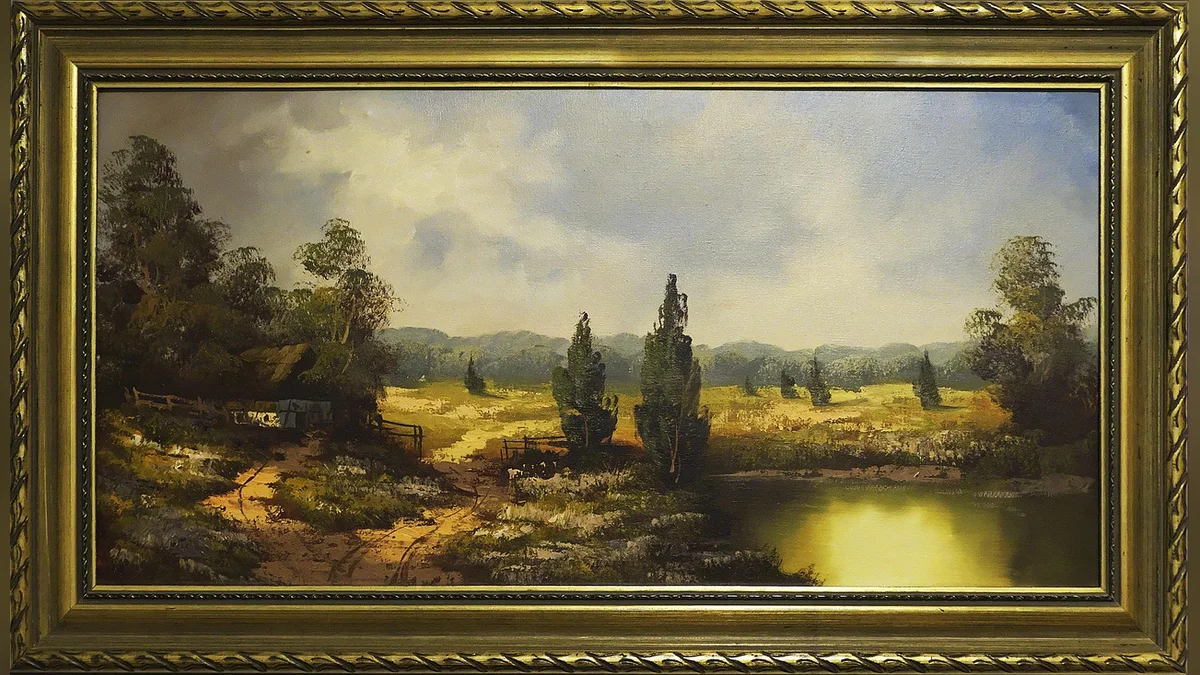
Neighborhood Studio Circles provide welcoming shared spaces where community members gather to explore visual arts, exchange hands-on skills, and cultivate meaningful local friendships. These neighborhood hubs prioritize open access, collaborative encouragement, and relaxed scheduling so that participants can experience creative fulfillment at their own personal pace without any rigid institutional pressure.
Creative Expression and Social Well-Being
Cultivating Everyday Artistic Exploration
Participating in regular creative activities encourages cognitive engagement and emotional vitality through tactile experimentation. Local studio gatherings give individuals the freedom to practice drawing, watercolor painting, clay sculpting, or textile crafts while learning alongside supportive peers. This continuous process of artistic practice fosters a resilient mindset, transforms everyday routines into rewarding endeavors, and provides a calming outlet that relieves stress and nurtures personal growth across different seasons of life.
Building Genuine Social Connection
Shared creative spaces build vibrant interpersonal bridges that combat loneliness and strengthen community fabric. Working side by side on diverse projects naturally sparks conversation, shared storytelling, and mutual encouragement among people who might otherwise remain isolated at home. These interactions foster a deep sense of belonging and establish reliable social support networks. Participants often form lasting friendships that extend well beyond the physical studio walls into neighborhood coffee shops and local parks.
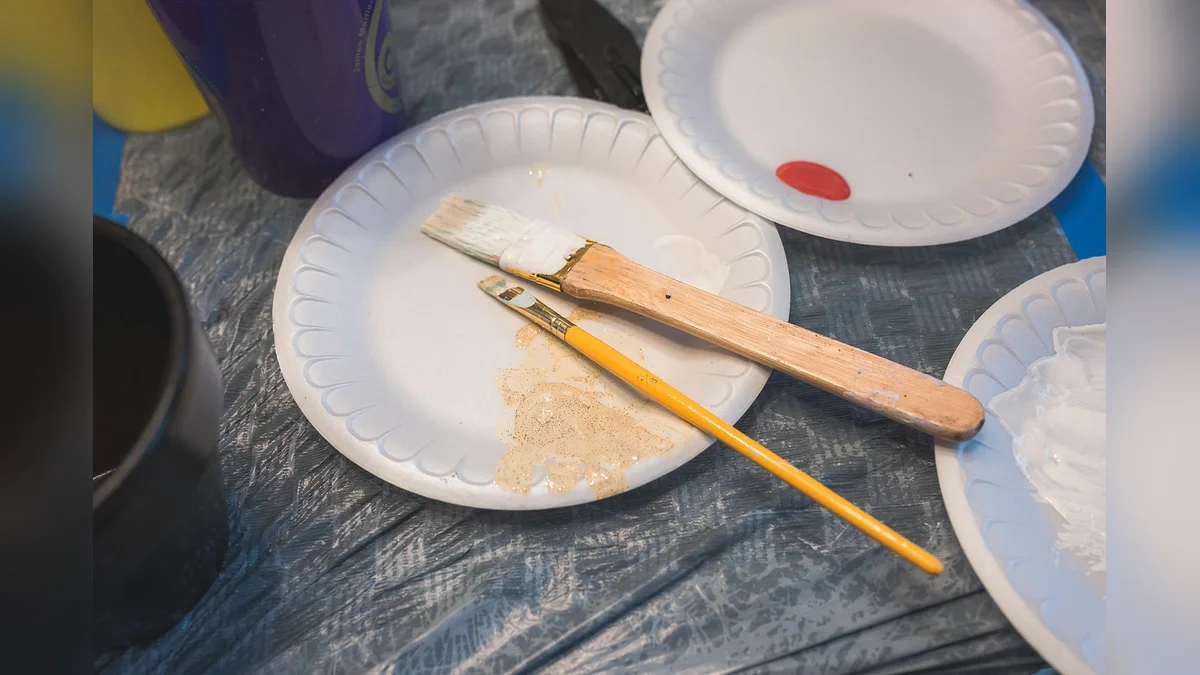
Adapting Tools and Spaces for Comfort
Thoughtful physical arrangements ensure that creative workshops remain accessible and comfortable for every participant who walks through the door. Ergonomic seating, bright adjustable lighting, large-handled brushes, and low-glare work surfaces minimize physical strain during extended studio sessions. Facilitators design flexible layouts that accommodate varying mobility levels or vision preferences. Such careful design details guarantee that everyone feels welcomed, respected, and fully capable of contributing to the shared creative environment.
Lifelong Learning Without Pressure
Community studio initiatives reject traditional academic testing in favor of joyful, self-directed discovery. Members choose their own projects, experiment with unfamiliar techniques, and share personal expertise with newcomers in a non-judgmental atmosphere. This horizontal style of peer mentorship honors accumulated life experience while sparking fresh curiosity. By removing grades, deadlines, and mandatory performance metrics, these circles turn artistic learning into a lifelong journey driven purely by personal interest.

Participating in Your Local Studio
Finding or establishing a neighborhood studio circle involves reaching out to local cultural centers, libraries, or community parks departments. Many groups operate on drop-in schedules with minimal supply fees, making it easy to visit once before committing to a regular weekly routine. Exploring options online via the Council on Aging Directory or local municipal calendars helps identify nearby sessions.
| Program Style | Primary Focus | Typical Format |
|---|---|---|
| Open Studio Circle | Self-guided art making | Drop-in weekly sessions |
| Guided Workshop | Skill-specific instruction | Multi-week thematic series |
| Virtual Craft Share | Remote peer connection | Video conference check-ins |
| Library Art Hub | Accessible public resources | Afternoon community tables |
Steps to Evaluate a Local Studio
- Visit a single drop-in session to observe the room atmosphere and general participant energy firsthand.
- Inspect the physical workspace lighting and chair comfort to ensure adequate personal physical support.
- Ask the program coordinator about material availability and whether personal tools are welcome inside.
- Talk with current members about scheduling consistency and overall group friendliness before returning.
Frequently Asked Questions
Do I need previous art experience to join?
No prior artistic background is required to participate in most community studio circles. These spaces are specifically designed to welcome complete beginners alongside experienced makers in a relaxed, friendly environment.
What supplies should I bring with me?
Most local circles provide basic communal materials like paper, paints, and brushes. Participants are typically welcome to bring their own favorite sketchbooks or specialty tools if they prefer.

Are there physical accommodations available?
Local community centers and neighborhood studios generally offer accessible entryways, adjustable tables, and comfortable seating options to accommodate diverse physical needs during gatherings.
Conclusion
Neighborhood studio circles offer a harmonious blend of creative engagement and genuine human connection. Stepping into a local workshop can refresh your weekly routine and introduce you to supportive new friends. Check your local community center schedule or library bulletin board today to find a nearby studio session.