A military retirement pay shutdown is a real concern for retirees who depend on monthly compensation, and the stakes are higher than many people realize. During the 2013 government shutdown, the Department of Veterans Affairs warned that disability compensation checks could be delayed if the impasse stretched into late October — a deadline that forced Congress to act.
The problem is that retirement pay sits at the intersection of two funding streams: the Department of Defense and, for many retirees, the VA. When appropriations lapse, one stream can keep flowing while the other stalls.
This article explains how pay protection actually works, which checks are at risk, what to do before a lapse, and the steps that keep your household stable.
How Military Retirement Pay Is Funded During a Lapse
Military retirement pay is generally protected during a shutdown because it is paid from a permanent, mandatory appropriation rather than annual discretionary funds. The Department of Defense has stated in past contingency guidance that retired pay and annuities continue during a lapse in appropriations.
That distinction matters: mandatory spending does not require a new congressional vote each year, which is why a military retirement pay shutdown rarely touches the core pension.
The confusion arises because "retirement pay" and "disability compensation" are different buckets. Retired pay comes from DoD. VA disability compensation depends on VA appropriations, which have historically been funded one year in advance precisely to avoid interruptions.
- Mandatory funding: Retired pay, survivor annuities, and most TRICARE benefits continue.
- Discretionary funding: Some administrative services, commissary operations, and non-essential support can pause.
- Advance appropriations: VA compensation and pension are typically covered a year ahead.
A common scenario is a retiree who receives both retired pay and VA compensation. The retired pay arrives on schedule while the VA portion faces uncertainty. Knowing which stream funds which check is the first step to planning.
How to apply this: Pull your most recent DFAS and VA payment statements and label each deposit by funding source, so you know exactly which check is exposed if a lapse occurs.
What Actually Stops When a Shutdown Happens
What stops during a shutdown is mostly administrative, not your core pension. Non-excepted DoD civilian employees may be furloughed, which slows customer service at pay offices and delays paperwork like corrections, audits, and benefit updates. The pay itself is a different matter, and a military retirement pay shutdown is unlikely to interrupt the deposit itself.
According to the Department of Defense, past shutdown contingency plans have designated retired pay and annuity processing as excepted activities. That means the money moves even when the offices around it thin out.

The practical risks fall into three buckets:
- Processing delays for new claims, address changes, and direct deposit updates.
- Customer service slowdowns at DFAS and VA call centers.
- Contractor and support service interruptions that affect things like ID card offices.
A retiree who submitted a direct deposit change the week of a lapse could see a hiccup, while a retiree with stable information sees no change at all. The difference is whether your record is already clean.
How to apply this: Verify your direct deposit and mailing address in myPay before any budget deadline, and screenshot the confirmation page for your records.
The Real Threat: VA Disability Pay and a military retirement pay shutdown
VA disability compensation is the payment most exposed to a prolonged military retirement pay shutdown, despite advance appropriations. The VA's advance funding covers the following fiscal year, but a lapse that extends beyond that window creates genuine risk.
The U.S. Department of Veterans Affairs has published contingency guidance explaining that advance appropriations protect compensation and pension payments during a short lapse. The protection has limits: it is tied to the fiscal year, not to an indefinite standoff.
| Payment type | Funding source | Typical shutdown status | Action to take |
|---|---|---|---|
| Military retired pay | DoD mandatory | Continues | Confirm myPay deposit info |
| VA disability compensation | Advance appropriation | Protected short-term | Check VA.gov payment schedule |
| SBP survivor annuity | DoD mandatory | Continues | Verify DFAS account details |
| Commissary access | Discretionary | May close | Plan shopping trips early |
| ID card services | Mixed | Reduced hours | Book appointments ahead |
The table shows why retirees who rely on a single stream feel safer than those juggling two. The fix is not panic; it is a cash buffer sized to cover one missed cycle.
How to apply this: Keep at least one month of essential expenses in a liquid account, and set a calendar reminder to check VA payment schedules at the start of each fiscal quarter.
Building a Buffer Before Any Lapse
Building a buffer is the single most effective defense against a military retirement pay shutdown, and it does not require a large income. The goal is to cover the gap between when a check is expected and when it might actually arrive.
Financial planners commonly recommend an emergency fund of three to six months of expenses for working households. Retirees with stable pension income can often target a smaller cushion focused on fixed costs: housing, utilities, insurance, and medication.
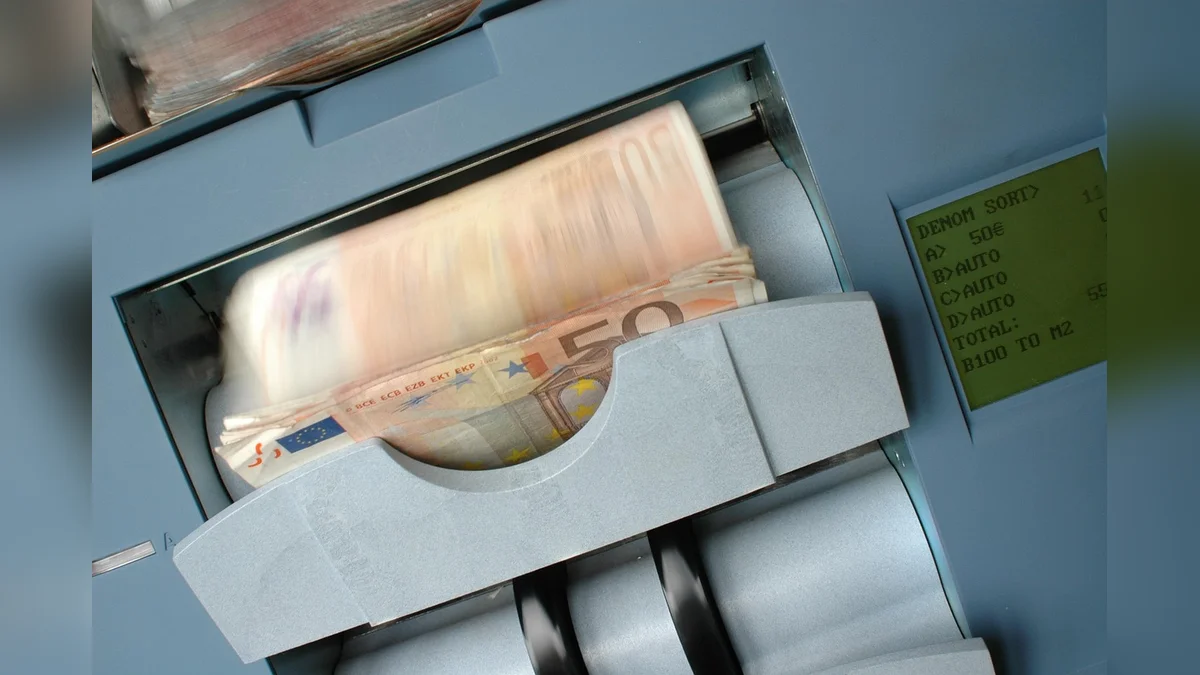
Consider a retiree with $3,200 in monthly fixed costs. A one-month buffer of that amount absorbs a delayed VA deposit without touching credit cards. The same retiree with no buffer may resort to high-interest borrowing that costs far more than the delay itself.
- Automate a transfer on the day your pension lands.
- Separate fixed costs from discretionary spending in your budget.
- Keep a paper copy of your payment history in case online portals slow down.
The Consumer Financial Protection Bureau offers free budgeting tools and guidance on emergency savings that apply directly to fixed-income households.
How to apply this: Calculate your monthly fixed costs today and open a separate savings account funded automatically from your pension deposit.
Where to Get Official Updates and Help
Official updates during a military retirement pay shutdown come from a small number of authoritative sources, and relying on social media rumors is a mistake that causes unnecessary panic. The reliable channels are DFAS, the VA, and your service branch's retiree services office.
DFAS publishes pay alerts and shutdown notices on its official site. The VA posts benefit payment schedules and contingency updates on VA.gov. Both agencies also maintain phone lines, though wait times lengthen during a lapse.
A common mistake is acting on a forwarded message claiming payments have stopped. In past lapses, those claims spread quickly and were usually false. Checking the primary source takes two minutes and prevents bad decisions like premature loan applications.
- Bookmark the DFAS and VA news pages.
- Sign up for email or text alerts where offered.
- Call your bank if a deposit is late by more than a few business days.
The DFAS website is the authoritative source for retired pay processing status and is updated during contingencies.
How to apply this: Bookmark the DFAS and VA news pages now and enable alerts so updates reach you directly rather than through a rumor chain.
Frequently Asked Questions About military retirement pay shutdown
What happens to my retired pay if the shutdown lasts more than 30 days?
Retired pay generally continues because it is funded through mandatory appropriations, not annual discretionary spending. A lapse beyond 30 days mainly affects administrative services and processing speed rather than the payment itself. In a prolonged military retirement pay shutdown, the real risk shifts to VA-funded benefits and contractor-supported services. If your deposit is late, contact DFAS before assuming the worst.
Can a shutdown affect my Survivor Benefit Plan annuity?
SBP annuities are treated like retired pay and are generally paid from mandatory funds, so they usually continue. The exception is a survivor whose annuity is combined with a VA dependency and indemnity payment, which follows VA funding rules. A survivor relying on both should confirm each stream separately.

During any military retirement pay shutdown, survivors should verify account details in myPay and keep a printed payment record.
Does a lapse stop TRICARE coverage for retirees?
TRICARE is largely protected because it is funded through a combination of mandatory and advance appropriations. Routine care and pharmacy access typically continue, though some administrative functions may slow. The exception involves elective procedures requiring prior authorization, which can face processing delays.
If you have a scheduled procedure during a military retirement pay shutdown, confirm authorization status with your regional contractor in advance.
Will my military pension be taxed differently during a funding gap?
No. Tax treatment follows the payment year and the nature of the payment, not the funding status of the government. A delayed deposit is still taxed in the year it is received, which can matter if a check crosses into a new calendar year. Retirees should keep records of deposit dates.
A military retirement pay shutdown does not change withholding rules, but a cross-year delay can shift your taxable income timing.
How do I prove income if a lender asks during a shutdown?
Lenders typically accept your most recent DFAS Retiree Account Statement or a leave and earnings statement as proof of income. The exception is a lender requiring verbal employment verification, which can stall if offices are short-staffed. Download and save your latest statement before any budget deadline.
A military retirement pay shutdown can slow verification calls, so having documents ready keeps loan and mortgage applications moving.
Conclusion
The short version: your core pension is more resilient than headlines suggest, but preparation still matters.
- Retired pay and SBP annuities are funded through mandatory appropriations and generally continue.
- VA disability compensation is protected by advance appropriations, with limits beyond one fiscal year.
- Administrative services like ID cards and commissaries are the most likely to pause.
- A one-month cash buffer absorbs nearly any realistic delay.
The next step is simple: log into myPay and VA.gov today, confirm your deposit and contact details, and set up a small automatic transfer to an emergency fund. A little preparation now turns a military retirement pay shutdown from a crisis into an inconvenience.





