Planning a restorative escape away from crowded tourist centers allows travelers to slow down and experience natural landscapes at a comfortable, unhurried pace. Choosing isolated regions requires thoughtful preparation regarding medical access, terrain challenges, and lodging accessibility to ensure a truly refreshing and safe journey.
Key Considerations for Secluded Travel
Coasting Along the Pacific Northwest
The rugged coastline of Oregon and Washington provides dramatic ocean vistas wrapped in deep temperate rain forests. Quaint seaside communities feature minimal traffic and wide sandy expanses ideal for quiet morning walks. Visitors appreciate clean ocean air and slow-paced local dining options. Local medical clinics remain positioned within driving distance across coastal towns, though steep bluff paths require footwear with reliable traction. Checking seasonal weather patterns helps avoid sudden coastal fog or chilly damp winds during evening hours.
Exploring Desert Canyons and Mesas
The high desert landscapes of the American Southwest deliver sweeping sandstone panoramas and profound quietude under vast open skies. Towns nestled near red rock country offer gentle walking paths alongside historical artisan culture and wellness centers. Dry daytime warmth alleviates stiffness, though evening temperatures drop sharply once the sun sets below the horizon. Travelers should verify whether nearby lodging provides climate-controlled interiors and reliable hydration stations to manage dry atmospheric conditions comfortably throughout the stay.

Embracing Lakeside Quiet in New England
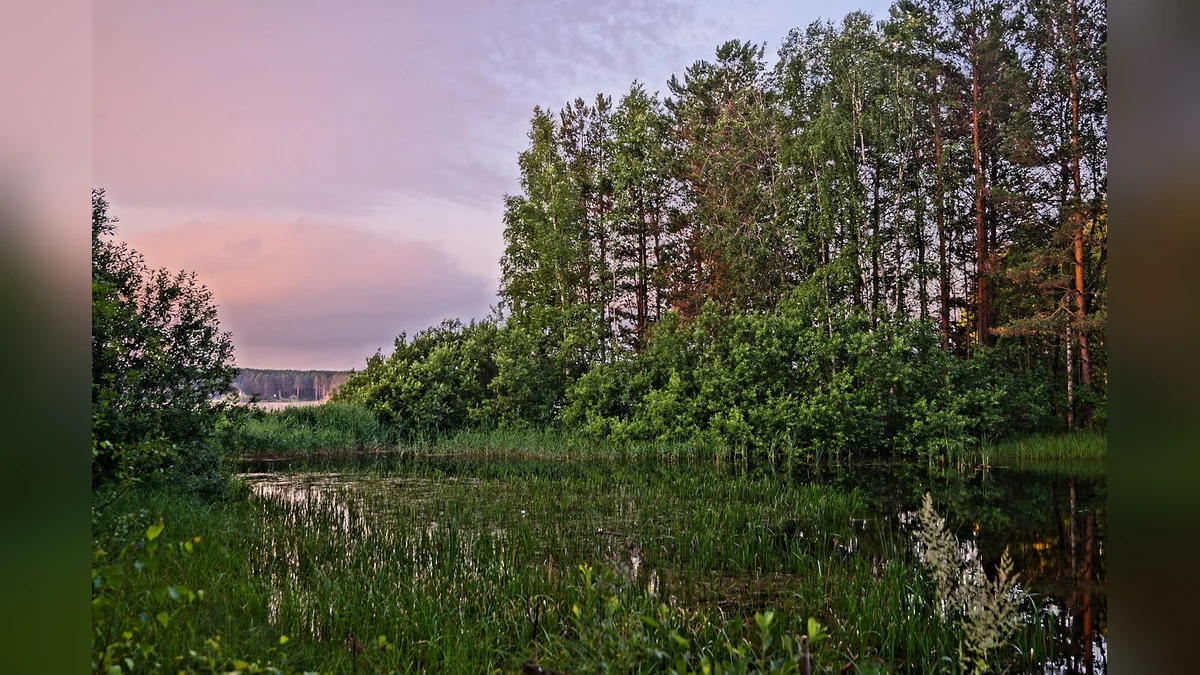
Glacial lakes tucked deep inside northern forest regions present tranquil waters framed by historic timber lodges and scenic walking trails. These wooded sanctuaries encourage reading, birdwatching, and gentle shoreline boating without noisy highway traffic nearby. Accommodations often feature single-level entry options or classic wrap-around porches with seating. Proximity to small regional medical outposts requires packing personal prescription supplies ahead of time since village pharmacies operate on limited weekend schedules.
Savoring Lowcountry Island Rhythms
Barrier islands along the southeastern coast invite visitors into a slower calendar defined by tidal marshes, live oaks, and soft sea breezes. Historic ports nearby balance preserved architecture with flat walking terrain that spares joints from steep inclines. Milder winter weather attracts travelers seeking pleasant outdoor temperatures away from heavy metropolitan noise. Reviewing ferry schedules or causeway transit rules ensures smooth arrival before tides or sunset hours alter local access.

Planning Your Remote Itinerary
Evaluating personal comfort needs against geographic isolation ensures a balanced retreat. Mapping out driving routes and verifying local healthcare response times prevent minor setbacks from becoming stressful complications while far from home.
| Destination Type | Primary Environment | Access and Medical Support |
|---|---|---|
| Coastal Bluff | Ocean cliffs and rocky beaches | Paved roads with regional clinics |
| Desert Valley | Red rock and dry high desert | Moderate walking trails and town care |
| Forest Lake | Wooded shorelines and quiet cabins | Gravel drives and local outpost care |
| Tidal Island | Salt marshes and historic towns | Causeway transit with nearby hospitals |
Essential Pre-Trip Verification Steps
- Confirm mobile phone coverage or satellite emergency options across isolated valleys.
- Review clinic operating hours and pharmacy distances near your selected rental cabin.
- Pack supportive footwear suited for gravel paths, uneven boardwalks, and damp soil.
- Verify vehicle fuel range and tire conditions before driving rural mountain routes.
Frequently Asked Questions
How far should a remote vacation spot be from a hospital?
Most travel planners recommend choosing a destination within a thirty to forty-five-minute drive of a licensed clinic or emergency facility to maintain peace of mind.
Are remote cabins suitable for travelers with limited mobility?
Many secluded cabins feature single-level layouts and ramp access, though guests should always request specific doorway measurements and step counts before booking.
What is the best season to visit isolated nature sanctuaries?
Shoulder seasons like late spring and early autumn offer mild weather, smaller visitor numbers, and safer driving conditions than peak winter or summer extremes.
Conclusion
Selecting a serene and secluded destination allows travelers to disconnect from daily rush and reconnect with restorative natural surroundings. Review your health requirements and map out nearby medical resources before booking your next peaceful getaway.