Engaging in creative art projects offers adults with learning differences a meaningful avenue for personal expression, skill development, and social connection. Structured crafting sessions combine tactile exploration with clear communication tools. Participants build confidence and independence through step-by-step hands-on work. Thoughtfully designed activities respect individual pacing while fostering genuine artistic accomplishment.
Core Artistic Methods and Therapeutic Benefits
Tactile Painting and Canvas Expression
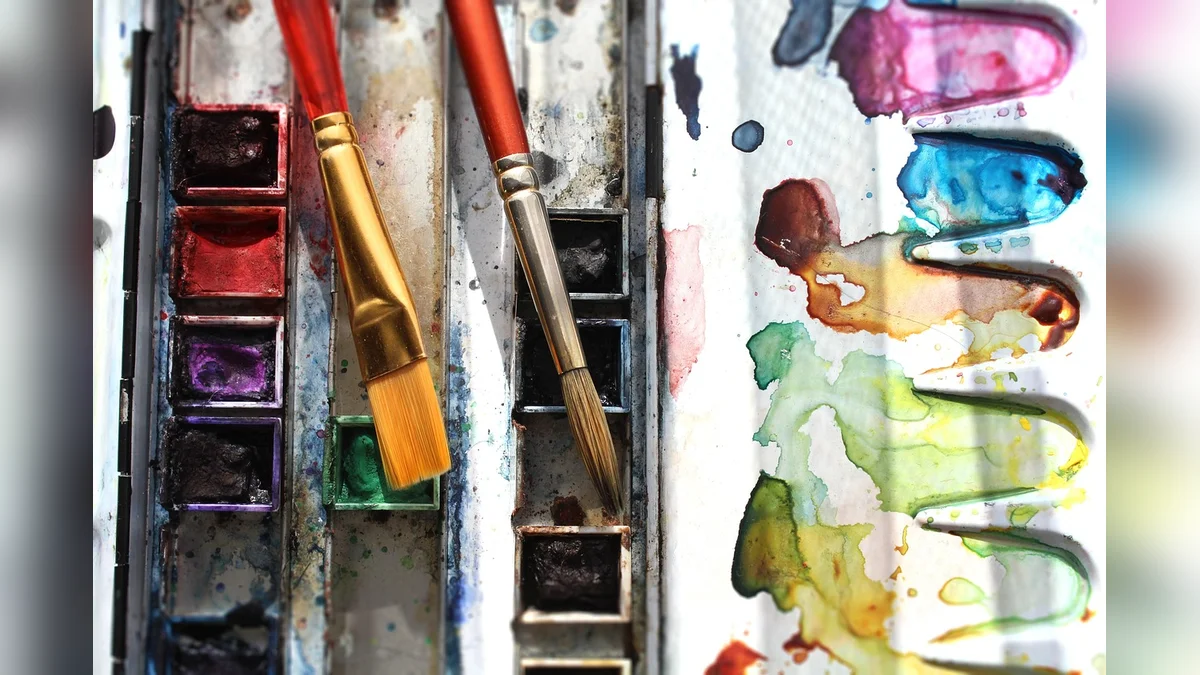
Visual painting enables creators to transform personal thoughts and abstract emotions into vibrant colors on flat surfaces. This medium supports fine motor coordination as individuals grip brushes or sponges. Working with acrylics or watercolors builds patience and self-regulation during multi-step tasks. Artists enjoy tangible ownership of their finished canvas pieces. Guidance remains adaptable to suit diverse sensory comfort levels.
Textured Clay and Polymer Crafting
Three-dimensional modeling gives hands-on learners direct physical feedback through shaping clay or dough. Kneeling, rolling, and pinching strengthen hand muscles and improve bilateral coordination. Creators can form functional dishes or decorative figures at their own pace. This tactile process encourages spatial reasoning and practical problem-solving strategies. Finished items provide lasting pride and functional utility around the home.

Mixed Media Collage and Decoupage
Assembling paper cutouts, fabrics, and natural textures invites stress-free exploration of composition. Participants practice decision-making by selecting colors, patterns, and arrangements that resonate personally. Gluing and layering elements refine precision without demanding rigid drawing skills. Each finished collage tells a distinct visual story from the creator. Caregivers can assist with cutting while leaving placement choices entirely open.
Wearable Fabric and Stationery Design
Decorating blank note cards or tote bags bridges artistic expression with practical everyday utility. Stamping patterns or applying fabric paints builds focus and sequential planning habits. Finished greeting cards connect creators directly with friends and family members. This sharing process reinforces social validation and emotional communication. Every piece honors the unique signature of its maker.

Planning and Supporting Creative Sessions
Preparing a successful crafting session involves selecting accessible materials and minimizing unnecessary sensory distractions. Clear visual examples and calm environments help participants feel secure before starting. Setting up organized workstations promotes independence and reduces frustration during complex tasks.
| Art Medium | Primary Benefit | Support Level Needed |
|---|---|---|
| Watercolors | Emotional calm and flow | Low to moderate assistance |
| Polymer Clay | Tactile strength building | Moderate hand guidance |
| Collage Art | Decision-making and freedom | Minimal cutting support |
| Fabric Stamping | Functional gift creation | Structured setup direction |
Essential Steps for Setting Up an Art Activity
- Select non-toxic and easy-grip art supplies that fit physical needs.
- Demonstrate each action slowly using simple verbal and visual cues.
- Allow plenty of time for independent exploration without rushing steps.
- Display finished creations proudly to celebrate individual creative effort.
Frequently Asked Questions
What supplies work best for beginners?
Washable tempera paints, large foam brushes, heavyweight paper, and glue sticks provide a reliable foundation. These materials minimize mess and reduce physical strain during creative exploration.
How can facilitators encourage personal choice?
Offering two or three distinct color palettes or material options allows artists to make meaningful decisions. Respecting their final composition builds self-esteem.

Are specific qualifications required to lead sessions?
No formal art therapy degree is required for general community craft groups. Patience, clear communication, and respectful encouragement matter most.
Conclusion
Artistic projects empower adults with learning differences to express themselves creatively while strengthening daily coordination. Establishing a welcoming and supportive environment ensures that every participant experiences the joy of making. Review local community center schedules to join an upcoming inclusive art workshop today.