Engaging in creative endeavors provides a deeply meaningful outlet for self-expression, mental wellness, and social connection. For individuals facing physical, sensory, or cognitive challenges, thoughtfully designed art projects open up new pathways to explore imagination. By introducing practical modifications and supportive tools, creative sessions can be tailored to match diverse skill levels and unique personal preferences across any community or studio setting.
Core Artistic Mediums and Adapted Techniques
Visual Painting and Modified Brushes
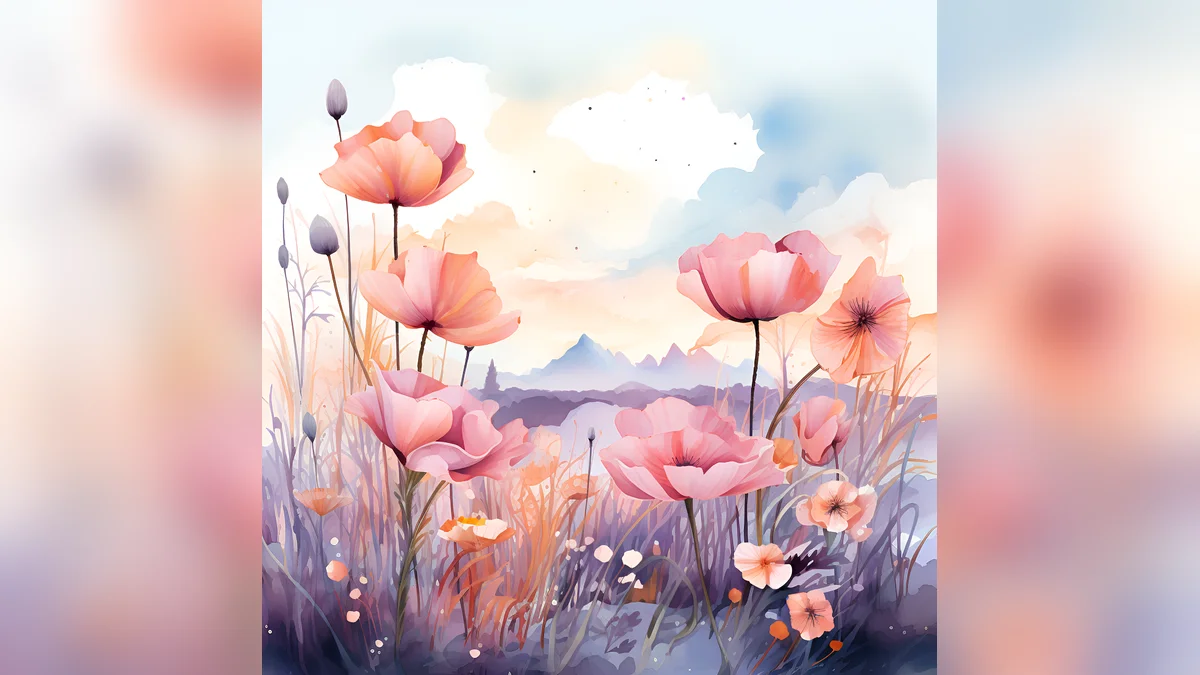
Traditional fine motor instruments can present unexpected hurdles for individuals experiencing joint stiffness, tremors, or limited hand strength. Transitioning to oversized foam grips, strap-on brush holders, or watercolor palettes that require lighter surface pressure allows creators to guide pigment smoothly. Instructors can also introduce sponge rollers or fingertip painting on slanted tabletop easels. These adjustments shift the creative focus away from rigid technical precision and toward fluid movement, emotional release, and vibrant color blending.
Tactile Mosaics and Air-Dry Clay
Three-dimensional sculpting and collage activities offer rich sensory feedback that words cannot always capture. Air-dry clay permits participants to flatten, roll, or press forms using the strength of their palms rather than delicate pinches. Similarly, bead mosaics or large adhesive boards allow crafters to press pre-sorted buttons or textured items into patterns without threading tiny strings. Such tactile methods build spatial awareness, promote hand-eye coordination, and foster a strong sense of personal accomplishment through finished pieces.

Paper Collage and Pre-Cut Design
Collage-making removes the barrier of blank-page anxiety by inviting creators to arrange and combine existing textures, photographs, or fabric swatches. Utilizing pre-cut geometric shapes or sticky backing sheets eliminates messy liquid glues and reduces hand fatigue. Participants can explore visual storytelling, thematic memory boards, or abstract composition at their own relaxed pace. This medium honors individual autonomy, transforming simple paper scraps into distinctive visual narratives that reflect personal identity.
Digital Capture and Assisted Photography
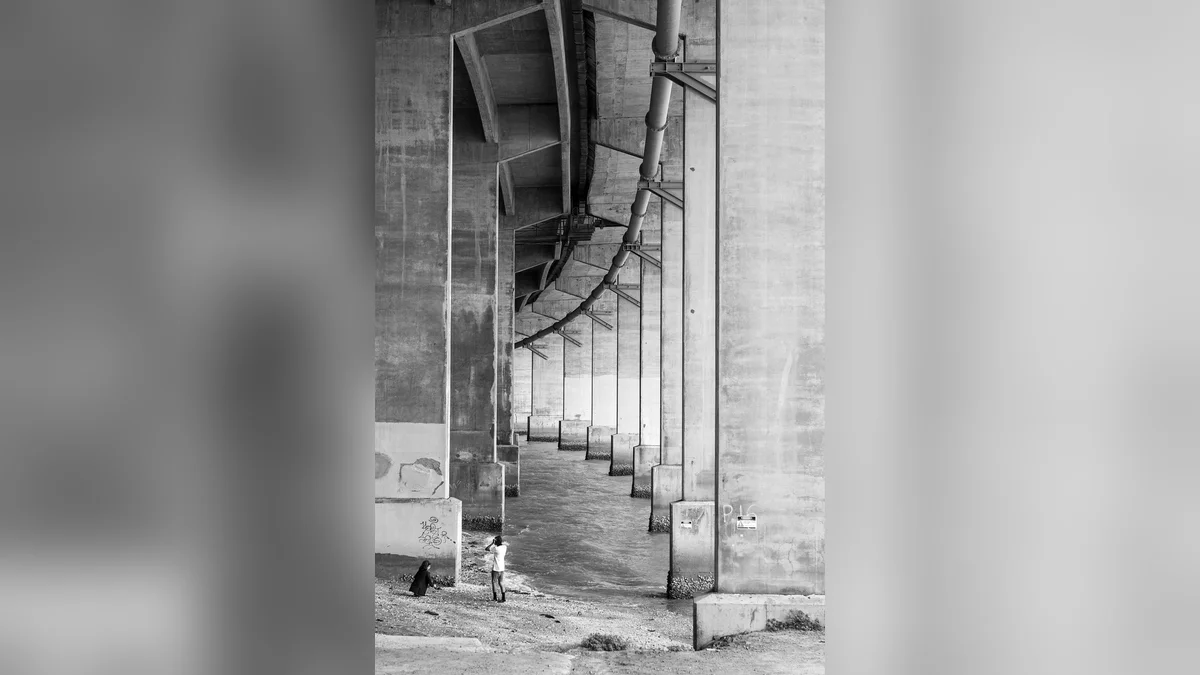
Photography serves as an empowering contemporary medium where vision and composition matter far more than traditional drawing skills. Modern mobile devices, voice-activated shutter controls, and adaptive tripods make capturing high-resolution imagery possible for people with extensive mobility limitations. Documenting local flora, family portraits, or abstract architectural angles encourages active observation of the surrounding environment. Curating these digital or printed snapshots into community showcases builds confidence and bridges connections with public audiences.

Planning and Setting Up Accessible Creative Sessions
Preparing a welcoming environment requires thoughtful attention to physical layout, lighting, and pacing. Arranging height-adjustable tables, removing clutter, and organizing supplies within easy reach ensures everyone feels comfortable and safe. Facilitators who prioritize open communication and personal choice transform routine craft hours into empowering, joyful milestones for every participant.
| Art Medium | Primary Modification | Key Sensory Benefit |
|---|---|---|
| Watercolors | Wide-grip brush handles | Low physical resistance |
| Air-Dry Clay | Palm rolling and stamps | Tactile form grounding |
| Paper Collage | Sticky boards and pre-cuts | Visual spatial freedom |
| Digital Photos | Voice or touch shunts | Immediate environmental agency |
Essential Steps for Launching a Workshop
- Evaluate individual motor range and sensory preferences before selecting core materials.
- Select ergonomic tools such as thick foam handles or slanted tabletop surfaces.
- Design flexible project milestones that accommodate varying energy and concentration spans.
- Display finished creations in local community spaces to honor participant voices.
Frequently Asked Questions
What supplies work best for limited hand strength?
Large-grip sponge stampers, watercolor cakes with wide pans, and pre-glued adhesive sheets require minimal finger dexterity while delivering vibrant results.
How can groups keep projects inclusive for everyone?
Offering multiple method choices for a single theme allows participants to choose between painting, pasting, or digital capture based on daily energy levels.

Where can finished artwork be shared publicly?
Local public libraries, community centers, and digital studio galleries frequently host inclusive showcases celebrating regional creators.
Conclusion
Creative expression belongs to every individual regardless of physical or cognitive differences. By embracing adaptive tools and flexible techniques, communities unlock rich artistic potential and foster genuine belonging. Take the next step by exploring local studio programs or organizing a small, supportive craft session today.