Fun activities for disabled students encompass creative arts, sensory exploration, modified team sports, and collaborative game sessions tailored to diverse physical, sensory, and cognitive abilities. These thoughtfully structured opportunities foster genuine social connection, build physical confidence, and encourage active participation in daily classroom routines while honoring each individual student's unique pace, communication style, and mobility requirements.
Core Categories of Inclusive Student Engagement
Creative Arts and Sensory Craft Projects
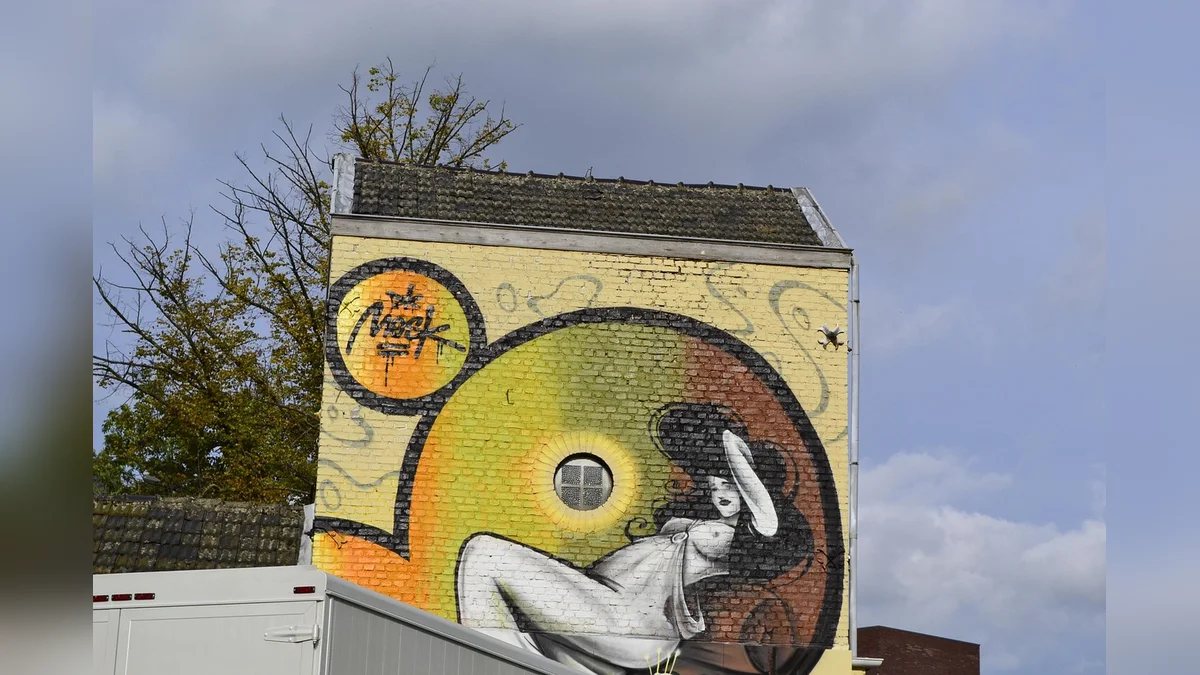
Visual and tactile art projects allow students to express personal narratives without relying on traditional verbal or written communication channels. Teachers and facilitators can introduce textured painting mediums, oversized grip markers, and scented modeling compounds to stimulate multiple senses simultaneously. By altering physical tool dimensions and providing alternative stabilizing trays, every student gains independent control over their artwork. This hands-on creative time cultivates fine motor dexterity, boosts individual self-esteem, and establishes a calm environment where creative experimentation is celebrated by peers and educators alike across the classroom setting.
Modified and Inclusive Team Athletics
Physical education and recess can incorporate adapted equipment such as lightweight bell-inclusive balls, seated volleyball nets, and modified movement rules that ensure total group involvement. Educators focus on cooperative skill-building rather than hyper-competitive scoring, allowing students of all mobility levels to experience teamwork and shared athletic triumph. Integrating peer partners further strengthens social rapport as classmates learn to communicate strategically and celebrate small physical victories together. Such inclusive game structures eliminate traditional barriers to participation and turn standard playground routines into deeply rewarding moments of mutual encouragement and athletic joy.

Interactive Music and Rhythm Circles
Musical expression and rhythmic group sessions invite learners to engage through percussion instruments, clapping sequences, adaptive chimes, or digital sound boards. Rhythmic pacing helps organize attention spans, supports auditory processing development, and provides a joyful outlet for emotional release or shared celebration. Group leaders can assign different melodic patterns to various participants, ensuring that non-verbal students and those using assistive technology play an equal role in the ensemble. This shared auditory experience bridges communication differences and builds a vibrant, harmonious community spirit during daily academic schedules.
Collaborative Puzzle and Strategy Games
Tabletop games and cooperative problem-solving challenges invite students to work in small, supportive teams to assemble large-format puzzles or navigate interactive board scenarios. Giant floor puzzle pieces with high-contrast tactile outlines enable learners with low vision or limited reach to manipulate pieces comfortably. Educators guide students to share turns, negotiate strategies collectively, and celebrate every completed section as a team achievement. These collaborative milestones reinforce critical thinking, nurture patience, and establish positive peer dynamics that extend far beyond the game table into broader school life.
Planning Accessible Events for Diverse Learners
Designing successful inclusive programming requires proactive environmental adjustments, flexible scheduling windows, and close communication with support staff. Educators should evaluate room layouts to guarantee smooth wheelchair navigation and designate quiet sensory breaks for participants who experience cognitive overload.
| Activity Type | Primary Benefit | Key Adaptation |
|---|---|---|
| Arts and Crafts | Fine motor skill growth | Grip aids and trays |
| Team Athletics | Cardio and peer bonding | Bells and seated rules |
| Music Circles | Auditory and social rhythm | Digital and touch pads |
| Strategy Games | Critical thinking growth | Oversized floor pieces |
Essential Checklist for Activity Leaders
- Inspect physical spaces thoroughly to confirm smooth ramps and wide aisle clearances.
- Consult direct care staff regarding individual sensory triggers and communication preferences.
- Prepare alternative participation tiers so every child joins on their own terms.
- Establish designated quiet zones for emotional regulation during high-energy gatherings.
Frequently Asked Questions
How do I select appropriate activities for mixed-ability classrooms?
Begin by assessing individual student IEP goals, physical ranges of motion, and sensory preferences with support specialists. Choose flexible activities that feature multiple entry points so learners can contribute through touch, voice, or technology.
What adaptations support students with severe mobility challenges?
Utilize weighted stabilizing bases, magnetic game pieces, extended reachers, and peer assistance models. Positioning students at comfortable table heights ensures full line-of-sight and physical access to materials.

How can peer mentors improve inclusive student participation?
Trained peer buddies model tasks, offer gentle encouragement, and share physical tools without taking over. This mutual interaction builds lasting friendships and normalizes diverse ways of learning throughout the school.
Conclusion
Prioritizing accessible recreation enriches the entire educational community by ensuring every learner experiences joy, autonomy, and belonging. Review your current lesson plans this week to integrate at least one modified sensory or cooperative game into your daily schedule.