Retirement opens up expansive opportunities for daily movement, creative hobbies, and structured social engagement that support overall physical vitality and emotional well-being throughout older adulthood.
Physical Fitness and Aerobic Movement
Cardiovascular fitness forms the foundation of a vibrant retirement routine by enhancing heart health and preserving daily stamina. Regular walking, swimming, or cycling promotes sustained endurance without placing excessive stress on vulnerable joints. According to public health guidance provided by the CDC Adult Activity Overview, accumulating weekly aerobic movement helps maintain functional independence. Selecting movement options tailored to personal preference ensures long-term consistency and prevents boredom. Individuals can easily integrate these aerobic habits into morning schedules or community walking groups to foster steady motivation.
Strength and Balance Training
Resistance exercises play an essential role in combating natural muscle mass loss and supporting skeletal integrity as the years progress. Engaging in bodyweight movements, light weightlifting, or resistance bands strengthens core stabilizers and lower-body stability. Practicing dedicated balance drills, such as tai chi or single-leg stands, significantly reduces the likelihood of accidental trips at home or outdoors. Incorporating multiple weekly sessions creates a reliable safeguard against physical decline. Pairing strength work with gentle stretching preserves full-body flexibility and makes routine chores easier to accomplish independently.
Outdoor Recreation and Nature Connection
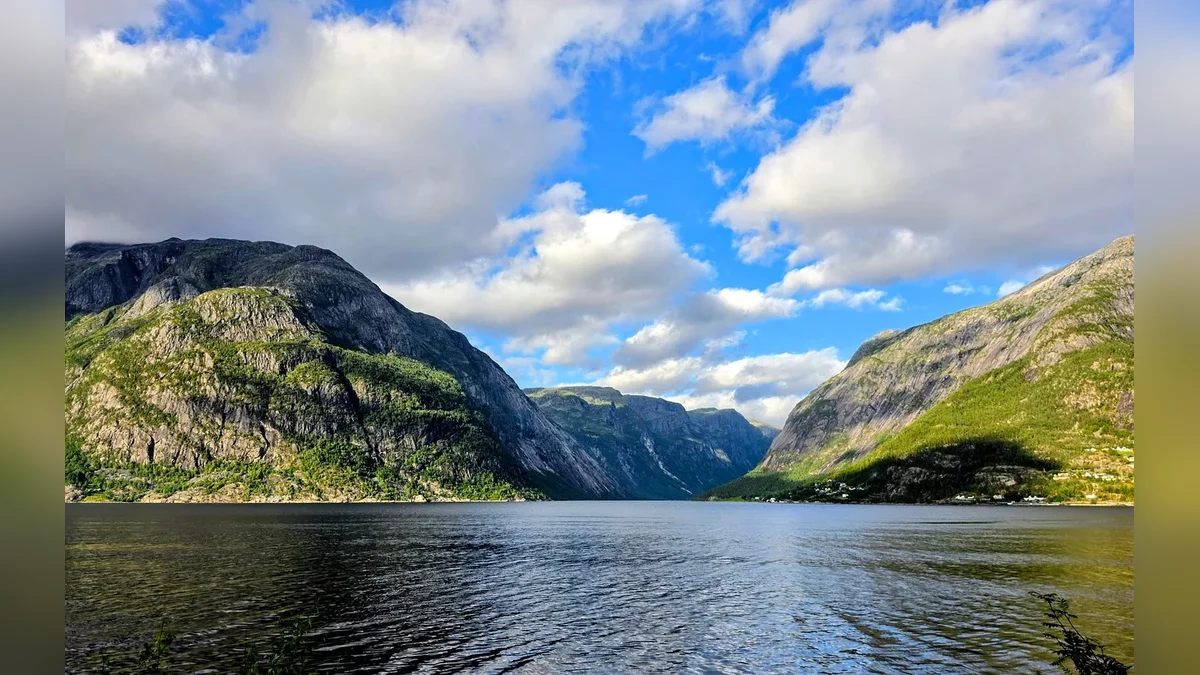
Spending time in natural environments offers dual benefits for physical exercise and psychological renewal. Hiking local trails, birdwatching, or participating in community gardening encourages gentle physical exertion surrounded by fresh air. Exposure to natural sunlight helps regulate circadian rhythms and supports natural vitamin D synthesis. Many retirees discover that outdoor clubs provide a welcoming atmosphere to meet neighbors who share similar environmental interests. Establishing a weekly outdoor excursion transforms ordinary exercise into a refreshing ritual that lifts spirits and deepens appreciation for seasonal changes.
Creative Arts and Lifelong Learning
Mental stimulation through artistic expression and intellectual curiosity keeps cognitive pathways sharp and adaptable. Enrolling in pottery classes, learning a musical instrument, or auditing local university lectures challenges the brain in rewarding ways. Group workshops also encourage meaningful conversation and creative collaboration among peers with diverse backgrounds. Crafting or painting allows individuals to express personal history while developing fine motor control. Committing a few hours each week to a novel skill cultivates a strong sense of personal purpose and intellectual adventure.

Structured Community Involvement
Participating in organized local programs connects active retirees with vital social networks and shared civic goals. Data compiled by the NCOA Senior Center Facts highlights how structured gathering spaces improve psychological well-being and life satisfaction. Volunteering with local food pantries, mentoring younger generations, or joining advisory boards channels accumulated life experience into impactful community service. Regular interaction with diverse groups reinforces a sense of belonging and mutual support. Establishing predictable weekly commitments inside neighborhood organizations builds lasting friendships and enriches everyday life.
| Activity Category | Primary Benefit | Suggested Frequency |
|---|---|---|
| Aerobic Fitness | Cardiovascular Health | Five Days Weekly |
| Strength Training | Muscle Preservation | Two Days Weekly |
| Artistic Hobbies | Mental Stimulation | Several Hours Weekly |
| Civic Volunteering | Social Connection | Weekly Commitment |
Actionable Steps for Daily Engagement
- Evaluate current weekly movement habits and identify realistic opportunities for outdoor walks or swimming sessions.
- Connect with local community centers to explore available art classes or group fitness schedules.
- Incorporate at least two dedicated resistance sessions to support ongoing balance and muscle strength.
- Reach out to neighborhood volunteer organizations to match personal skills with meaningful local projects.
Frequently Asked Questions
How much weekly exercise is recommended for older adults?
Health authorities generally suggest accumulating regular aerobic movement alongside targeted muscle-strengthening sessions. Breaking activity into manageable daily segments helps build sustainable fitness habits without causing undue fatigue or joint strain.
Are senior community centers beneficial for active individuals?
Yes, local centers offer diverse wellness classes, creative arts workshops, and social gatherings. Participating regularly fosters strong friendships and supports emotional resilience throughout the retirement years.

Can strength training be started later in life?
Beginner-friendly resistance exercises can be adopted safely at any age. Starting with light weights or bodyweight movements improves posture, protects bone density, and enhances overall daily functional confidence.
Conclusion
Balancing physical exercise, creative pursuits, and community involvement creates a fulfilling routine during retirement. Taking a single small step today, such as exploring a local walking club or community center schedule, can launch a vibrant chapter of active living.