Easy drawing for elders offers a gentle and rewarding creative outlet that supports mental well-being, tactile engagement, and relaxed self-expression without requiring prior artistic training or complex technical skills. Engaging with basic lines and shapes invites calm focus, making visual art a flexible hobby that adapts comfortably to individual physical comfort and daily pacing at home.
Creative Ways to Explore Pencil Sketching
The Joy of Basic Shape Contours
Starting with simple geometric shapes like circles, squares, and ovals helps warm up hand movements naturally. Tracing household items or sketching outlines of everyday objects builds confidence and hand-eye coordination. This low-pressure approach transforms blank paper into an inviting canvas, allowing creators to enjoy the simple flow of graphite on a flat surface without worrying about strict realism or academic rules.
Exploring Nature Through Freehand Lines
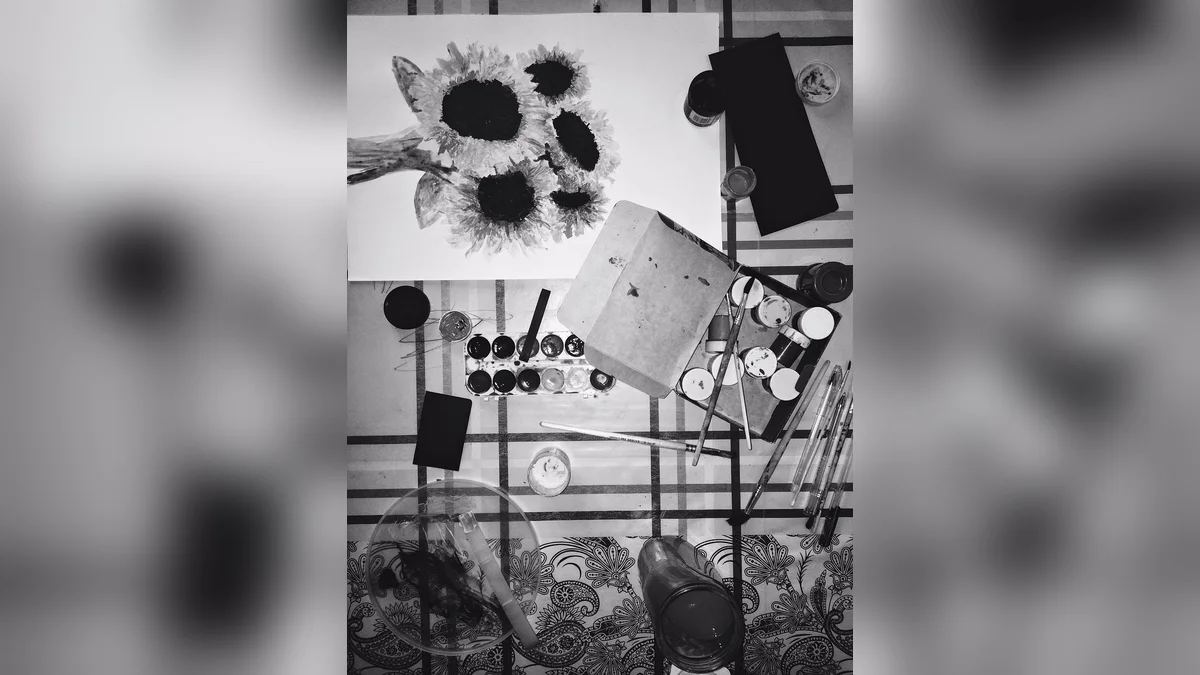
Drawing leaves, flowers, or gentle rolling hills connects individuals with the outdoors from the comfort of an armchair. Observing natural curves encourages slow, mindful breathing and steady concentration. Simple botanical sketches provide familiar references that do not demand rigid accuracy, turning everyday observations into personal creative milestones that capture a quiet moment of appreciation for the surrounding world.
Memory-Led Doodling and Pattern Making
Repetitive patterns like waves, checkerboards, or spiral mandalas offer a deeply soothing rhythm for the mind and hands. These rhythmic strokes require minimal strain while promoting a steady state of calm. Drawing from personal memories or familiar textile patterns bridges past experiences with present-day relaxation, delivering a satisfying sense of completion and personal continuity through modest creative marks.
Collaborative Drawing with Family and Friends
Sharing a sketchpad with visiting grandchildren or neighbors turns drawing into a warm, conversational activity. Passing a page back and forth to add simple details fosters social connection and shared laughter. Collaborative sketching removes individual performance pressure, transforming an independent hobby into a joyful group experience that strengthens bonds and brightens afternoons spent together around a familiar table.

Practical Guidance for Daily Art Sessions
Setting up a comfortable workspace with good lighting and soft seating ensures that drawing remains physically relaxing and strain-free. Choosing thicker graphite pencils or smooth markers makes gripping easier while reducing hand fatigue during short, enjoyable creative sessions.
| Drawing Style | Primary Benefit | Recommended Tool |
|---|---|---|
| Contour Tracing | Builds motor control | Soft graphite pencil |
| Botanical Lines | Encourages calm focus | Fine point marker |
| Pattern Doodling | Reduces daily stress | Colored felt pen |
| Shared Sketching | Fosters social warmth | Standard sketch pad |
Helpful Steps to Begin Sketching Today
- Select a quiet corner with comfortable seating and adequate lighting to keep your posture relaxed.
- Gather a thick pencil and smooth paper that feels pleasant and forgiving beneath your hand.
- Begin with simple continuous lines or familiar shapes without erasing any early imperfections.
- Pause whenever you feel tired and admire your progress with a sense of gentle satisfaction.
Frequently Asked Questions
Do I need previous artistic talent to start drawing?
No prior experience is necessary to enjoy casual sketching or doodling at home. The primary goal is personal relaxation, tactile engagement, and expressive enjoyment rather than producing museum-quality artwork for formal public exhibitions.
What supplies work best for comfortable drawing?
Soft-grip pencils, thicker sketch paper, and water-based markers provide an easy start. These materials require less hand pressure and create smooth, clear lines without straining fingers or wrists during use.

How long should a typical drawing session last?
Even ten or fifteen minutes of relaxed sketching can bring noticeable mental clarity and calm. You can draw for as long as it feels comfortable and enjoyable.
Conclusion
Embracing simple drawing exercises brings quiet joy, mental stimulation, and creative satisfaction into daily routines. Pick up a pencil today, choose a favorite household object, and enjoy the soothing process of making your very first line.