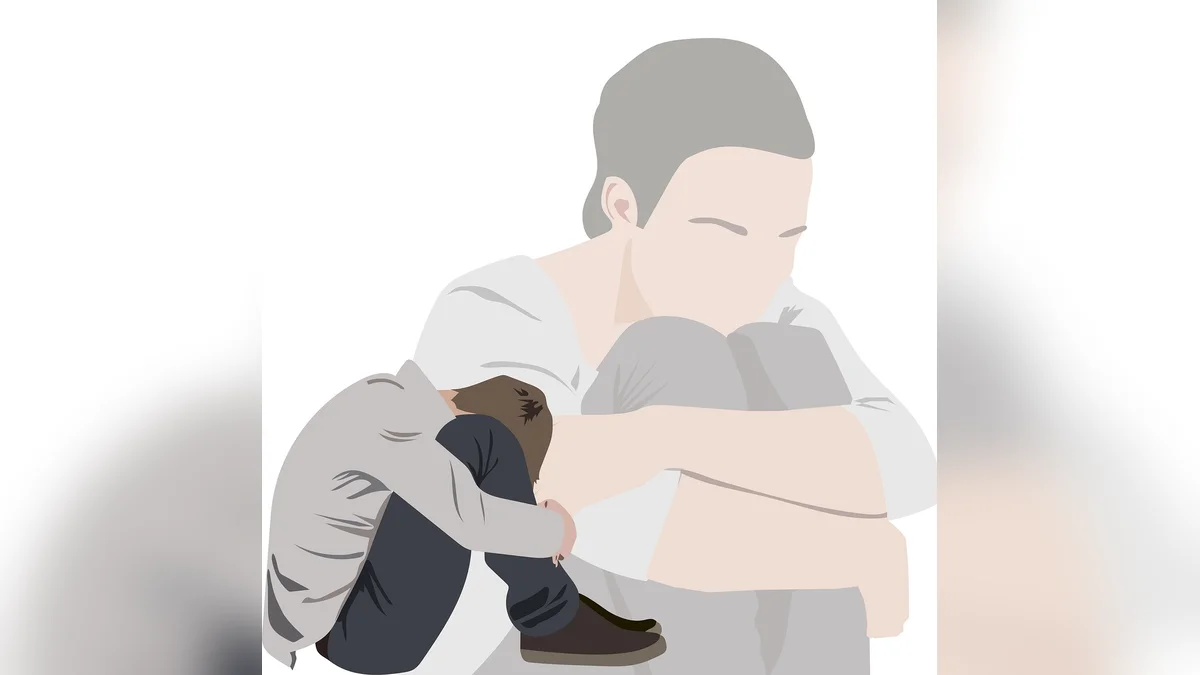
Disability awareness initiatives in schools foster deep respect, empathy, and collaborative skills among students by replacing common stereotypes with accurate information and meaningful peer interactions. Through structured guidance provided in resources like the U.S. Department of Education Inclusive Educational Practices framework, schools cultivate accessible environments, promote genuine belonging, and build inclusive learning cultures where every individual student can thrive academically and socially.
Core Dimensions of School Awareness
Foundations of Inclusive Classrooms
Inclusive educational settings require systemic collaboration between general education teachers and special education specialists across every single grade level. When educators design lessons with universal principles, they remove physical and cognitive barriers before students even enter the room. This proactive approach ensures that children with diverse learning profiles participate meaningfully alongside their peers without feeling isolated or singled out. Ultimately, shared planning time transforms school hallways into welcoming spaces where differences are valued as natural parts of the human experience rather than obstacles to overcome.
Addressing Visible and Hidden Conditions
School communities encounter a wide spectrum of physical, sensory, emotional, and cognitive conditions that vary significantly in how they manifest daily. While mobility aids or visual impairments are immediately noticeable to casual observers, neurodivergent conditions like learning disabilities or autism remain invisible. Raising awareness means educating students and staff about these less obvious differences so that social misinterpretations do not turn into bullying or exclusion. Knowledge helps classmates recognize that concentration struggles or sensory sensitivities reflect unique neurological processing rather than behavioral choices.

Promoting Genuine Peer Relationships
True awareness extends far beyond passive observation into active friendship building and mutual support during daily activities. Schools facilitate structured collaborative projects that allow students with and without disabilities to discover shared interests and complementary strengths. When children work together toward common academic goals, traditional power dynamics soften into genuine camaraderie. These early formative experiences teach young people how to communicate patiently, listen attentively, and appreciate diverse perspectives that enrich group problem solving inside and outside the classroom.
Empowering Student Self Advocacy
Encouraging young people to articulate their own needs builds lifelong confidence and independence across academic and community settings. Educators guide students to understand their personal learning profiles, recognize available accommodations, and request assistance when facing difficult tasks. Instead of relying solely on adults to speak on their behalf, children learn to navigate challenges with self assurance. This cultivation of autonomy prepares all students to advocate not only for themselves but also for peers who might need temporary support or extra time.

Implementing Schoolwide Inclusion Strategies
Executing comprehensive disability awareness programs requires intentional alignment between administrative leadership, classroom instruction, and ongoing family communication to sustain long term institutional culture change.
| Implementation Area | Primary Focus | Expected Community Outcome |
|---|---|---|
| Staff Training | Universal design instruction | Increased teacher confidence |
| Curriculum Integration | Multimodal lesson plans | Higher student engagement |
| Peer Programs | Structured social pairing | Reduced social isolation |
| Family Workshops | Shared resource guides | Stronger home partnerships |
Actionable Steps for Evaluating School Inclusivity
- Review current campus accessibility maps to identify physical bottlenecks.
- Survey teaching staff regarding professional development needs and resource gaps.
- Observe collaborative group work during recess and core academic hours.
- Gather anonymous feedback from families regarding school climate and belonging.
Frequently Asked Questions
What is the primary goal of disability awareness in schools?
The core objective is to replace social stigma and misconceptions with accurate understanding, empathy, and respect. By educating students about diverse physical and cognitive needs, schools foster collaborative environments where every child feels safe, recognized, and genuinely included in daily activities.
How do invisible disabilities get addressed in classrooms?
Educators implement universal design strategies and social emotional learning frameworks that accommodate hidden challenges like dyslexia or anxiety. Teachers normalize sensory breaks, clear communication structures, and flexible seating so that all students receive support without drawing unwanted attention.

How can parents support these initiatives at home?
Families reinforce school lessons by discussing human diversity openly, reading literature featuring varied characters, and modeling respectful language. Partnering with teachers ensures consistent expectations and strengthens the bridge between inclusive school cultures and supportive neighborhood communities.
Conclusion
Fostering disability awareness transforms school environments into vibrant communities built on mutual respect and shared belonging. Review your local district wellness policy today to see how inclusive practices are actively integrated into your neighborhood classrooms.