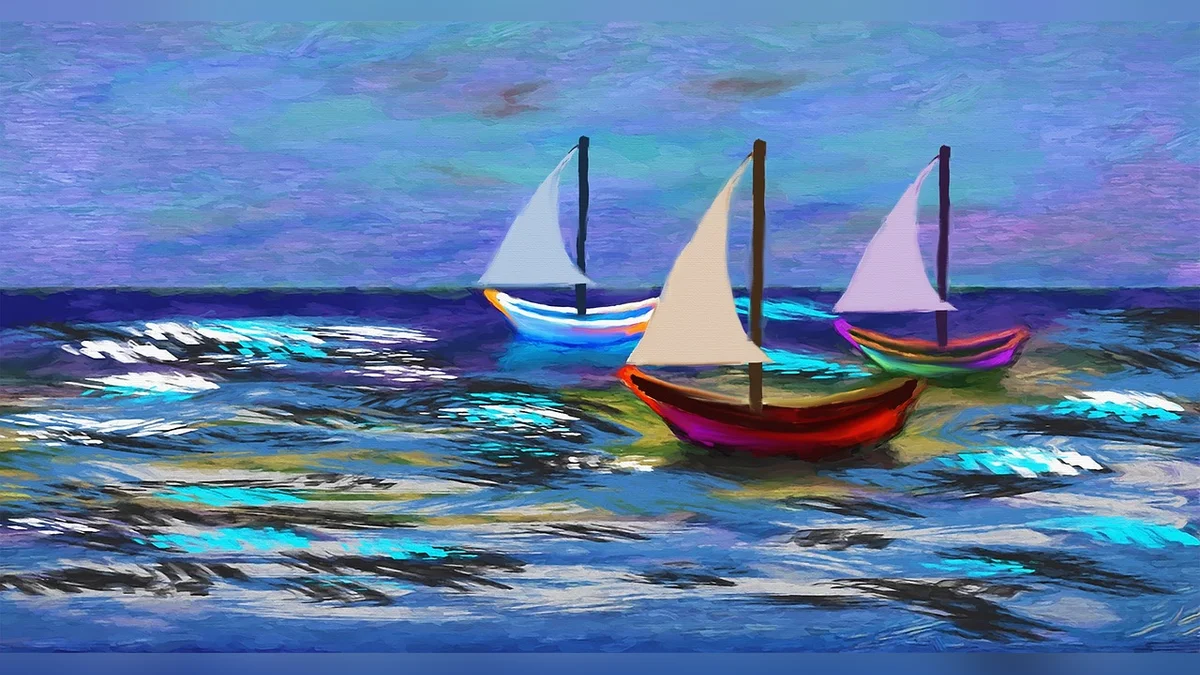
Engaging in creative projects allows adults with disabilities to express personal identity, build confidence, and connect with local communities. These initiatives center on individual strengths rather than limitations, offering flexible paths through visual crafts, digital arts, and collaborative workshops that foster autonomy and shared artistic expression every single day.
Inclusive Creative Initiatives and Core Benefits
Visual Arts and Painting Studios
Visual arts workshops provide participants with open-ended opportunities to experiment with color, texture, and composition using adaptive tools. Instructors modify brushes and easels to match physical dexterity, enabling artists to shape personal narratives. Engagement within community art spaces cultivates pride, reduces daily stress, and encourages meaningful social exchanges among peers who share similar creative passions and personal artistic milestones.
Performing Arts and Movement Groups
Movement and theater programs invite individuals to explore storytelling through rhythm, gesture, and vocal expression within a supportive environment. Sessions adapt choreography and spatial layouts to accommodate mobility aids or sensory preferences. Participating in group performances strengthens physical coordination, deepens emotional resonance, and highlights the artistic talents of performers before public audiences in local neighborhood venues and cultural centers.
Digital Media and Storytelling Craft
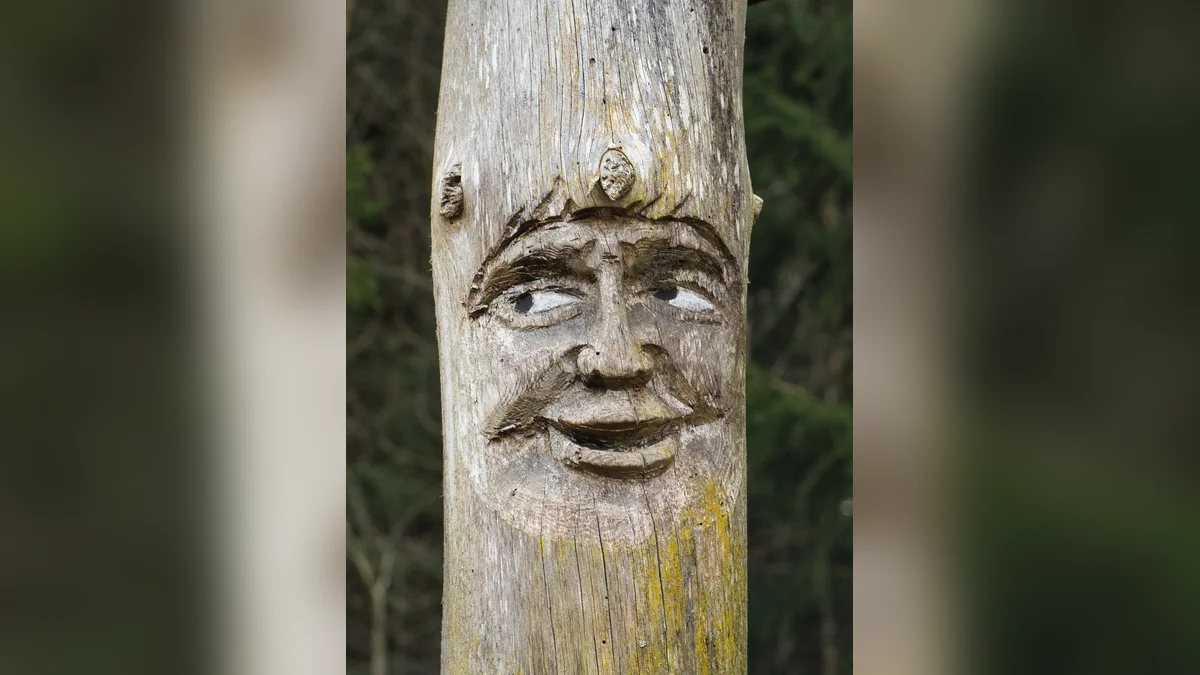
Digital projects empower participants to utilize tablets, specialized software, and audio recorders to produce photography, digital illustration, and recorded oral histories. Assistive screen readers and custom input devices bridge technological gaps. This medium allows creators to archive personal histories, design graphic illustrations, and share self-published digital portfolios across broader online platforms with friends, families, and interested community members.
Collaborative Craft and Textile Circles
Handmade textile and tactile craft circles bring community members together to design quilts, pottery, and woven items through shared collaborative tasks. These hands-on endeavors enhance fine motor skills and tactile engagement. Group crafting fosters mutual mentorship, where experienced participants assist newcomers, transforming craft rooms into vibrant hubs of peer support and collective cultural preservation.

Selecting and Supporting Accessible Programs
Choosing the right creative project involves evaluating physical accessibility, instructor training, and individual personal goals to ensure a welcoming and productive environment. Families and participants benefit from visiting studios beforehand to review adaptive equipment availability and discuss personalized support plans.
| Project Category | Primary Activity | Key Developmental Benefit |
|---|---|---|
| Visual Studios | Painting and drawing | Fine motor control and self-expression |
| Performing Arts | Theater and rhythm | Confidence and physical coordination |
| Digital Media | Photography and design | Technical literacy and storytelling |
| Textile Craft | Pottery and weaving | Tactile engagement and peer teamwork |
Action Steps for Getting Started
- Review local community center schedules for specialized inclusive arts workshops.
- Contact program coordinators to confirm physical accessibility and adaptive tools.
- Observe a live session to evaluate sensory conditions and instructor support.
- Discuss individual service goals and project preferences with program staff.
Frequently Asked Questions
What types of adaptive tools are commonly used?
Instructors frequently provide built-up paint grips, stability frames, touch-sensitive tablets, and simplified looms. These modifications reduce physical strain and let participants focus entirely on creative execution.
Do participants need prior artistic experience?
No previous experience is required for most community programs. Instructors tailor lessons to individual skill levels, welcoming complete beginners alongside experienced creators.

How can families find local inclusive programs?
Local public libraries, regional disability advocacy organizations, and municipal parks departments maintain directories of accessible cultural classes and neighborhood arts initiatives.
Conclusion
Accessible creative projects open vital pathways for self-expression, skill-building, and lasting community connections. Exploring a local workshop schedule today provides a meaningful first step toward discovering supportive artistic environments.