Engaging in creative exercises offers a meaningful way for older adults to support mental flexibility, nurture emotional well-being, and connect with personal interests. Participating in artistic practices like painting, writing, music, and tactile crafting stimulates cognitive processing while providing a relaxing daily routine that adapts smoothly to changing individual preferences and physical comfort levels at home.
Cognitive Stimulation Through Visual Arts
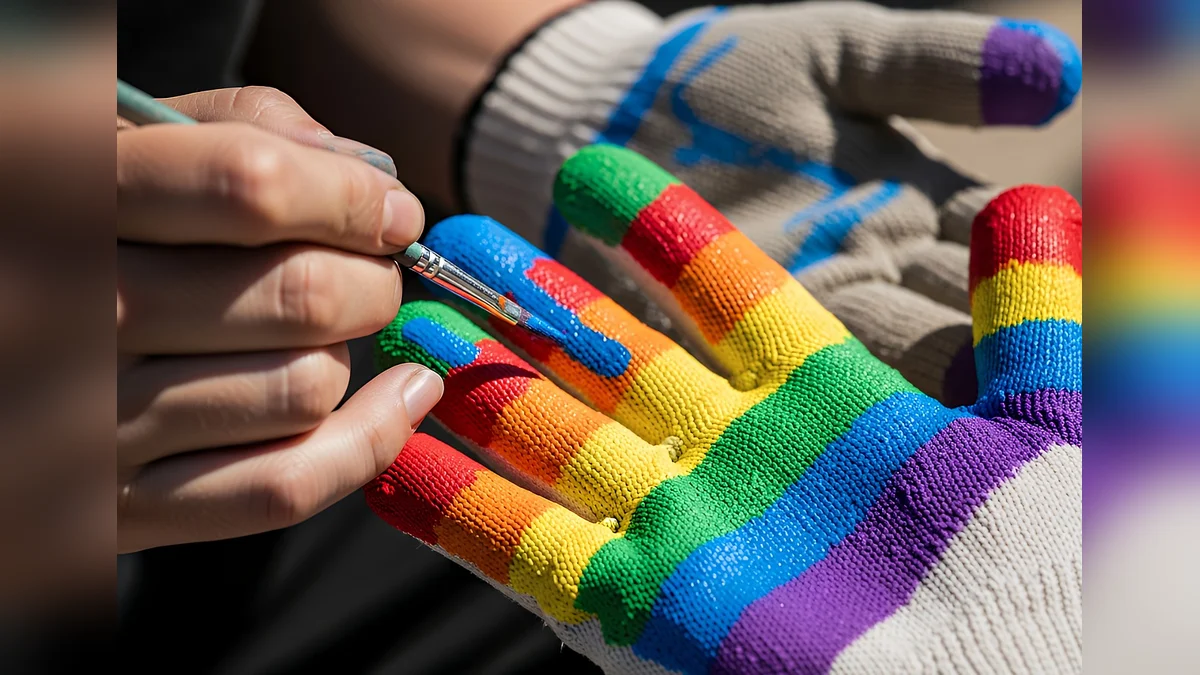
Visual arts such as drawing, watercolor painting, and clay modeling invite older adults to engage in spatial planning and color recognition. Working with physical materials activates fine motor skills while encouraging problem-solving as participants decide how to blend shades or construct shapes. This hands-on process helps maintain concentration and offers a productive challenge that feels rewarding. Exploring unstructured visual design allows individuals to focus completely on the tactile medium, which reduces mental clutter and promotes a sense of calm accomplishment.
Emotional Expression and Stress Reduction
Creative activities provide a safe and constructive outlet for processing daily emotions, personal memories, or life transitions. Through writing memoirs, journaling, or selecting vivid colors for an art project, individuals can articulate feelings that are difficult to put into conversation. This type of reflective expression supports psychological resilience and lowers everyday tension. Art projects also encourage mindfulness by anchoring attention firmly in the present moment, offering participants a gentle escape from chronic physical discomfort or ordinary daily worries.

Social Connection and Group Sharing
Participating in creative exercises within a community setting or a small peer circle fosters a sense of belonging and mutual encouragement. Collaborative projects, book clubs, or shared craft workshops build conversational bridges among neighbors and family members. Talking about a newly finished piece of work or exchanging ideas on a project inspires laughter and storytelling. This social component transforms solitary hobbies into vibrant communal experiences that combat feelings of isolation and enrich interpersonal bonds throughout later life.
Brain Agility and Memory Engagement
Challenging the mind through creative composition or pattern creation strengthens neural pathways associated with recall and attention. Activities like learning a musical instrument, solving intricate number puzzles, or composing rhyming poetry require active working memory and sequential thinking. Regular mental variety keeps cognitive processes nimble and encourages adaptability. Rather than relying on passive entertainment, active creation empowers older adults to direct their own focus and maintain mental sharpness through continuous, self-paced exploration.

Selecting and Adapting Creative Activities
Choosing the right creative exercise involves balancing personal interests with physical comfort, lighting needs, and available tools. Evaluating how materials feel in hand ensures a smooth and enjoyable start without unnecessary frustration.
| Activity Type | Primary Benefit | Practical Consideration |
|---|---|---|
| Visual Painting | Fine motor and color focus | Use thick-grip brushes and bright lighting |
| Memory Writing | Reflective emotional clarity | Keep notebooks or voice recorders handy |
| Musical Practice | Auditory and rhythm stimulation | Select lightweight instruments or rhythm tools |
| Tactile Crafts | Spatial design and patience | Choose non-toxic and easy-to-clean clay |
Getting Started at Home
- Select a quiet corner with strong natural or direct lamp lighting.
- Gather simple beginner supplies that require minimal setup effort.
- Set a gentle timer for short, pressure-free practice intervals daily.
- Notice how your mood shifts before and after creating.
Frequently Asked Questions
Do older adults need prior art experience to start?
No prior artistic background is required to gain value from creative exercises. The primary benefit comes from the process of exploring colors, sounds, or words rather than producing a museum-quality finished masterpiece for public display or formal critique.
How much time should be spent on creative tasks?
Even ten to fifteen minutes of focused drawing, writing, or crafting per day can spark mental enjoyment. Consistency matters far more than long hours, allowing participants to enjoy activities without fatigue or physical strain.

Can creative exercises help with physical dexterity?
Yes, holding paintbrushes, turning journal pages, or manipulating clay gently supports hand flexibility and coordination. Selecting ergonomic tools ensures that the experience remains comfortable and accessible for various physical needs.
Conclusion
Embracing creative exercises empowers older adults to enrich their daily routine with purposeful expression and mental stimulation. Selecting a favorite medium, such as sketching or journaling, provides an immediate and accessible way to start exploring personal creativity today.