Engaging in hands-on creative projects offers a rewarding way to spend afternoon hours while promoting relaxation and personal expression. Simple artistic tasks provide tangible satisfaction through low-pressure making. Selecting the right materials allows anyone to enjoy color, texture, and structure without complicated tools or previous formal artistic training.
Popular Mediums and Creative Styles
Watercolor Painting with Wash Techniques
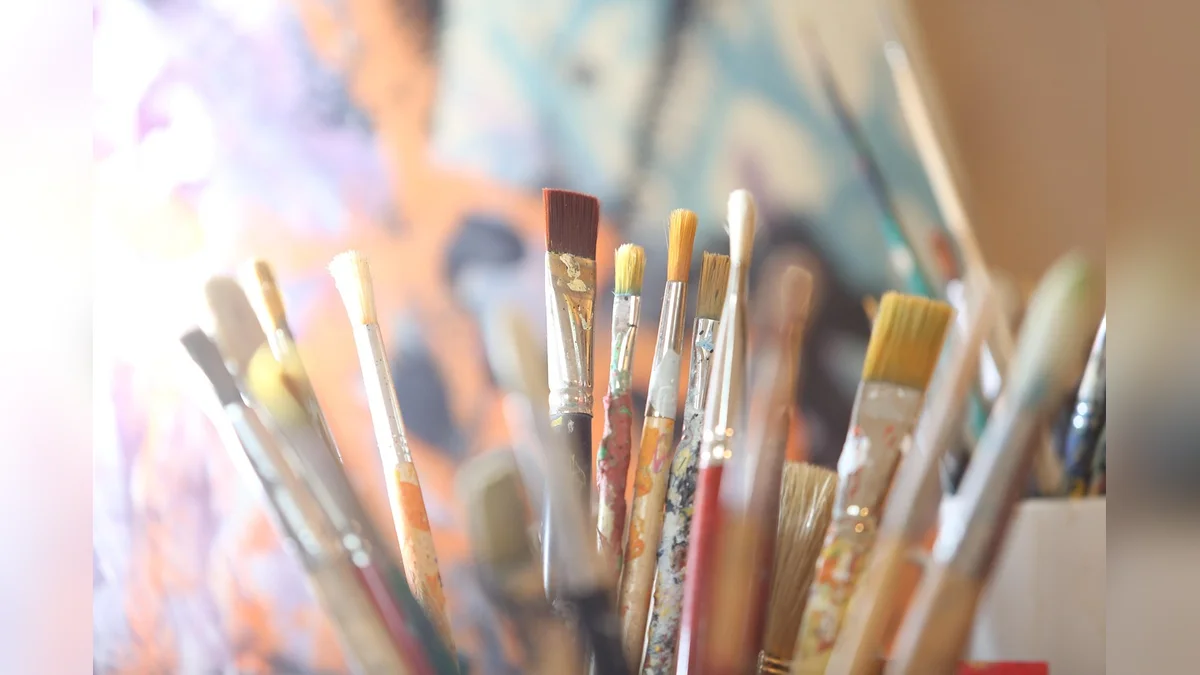
Watercolors provide a fluid and forgiving medium that requires minimal physical effort to cover a blank page. Soft brushes blend pigments naturally across damp paper to create gentle landscapes or abstract floral patterns. Practitioners can watch colors bleed together peacefully while controlling the dilution levels to suit their personal comfort and available energy levels.
Textile Assembly and Felt Crafting
Working with pre-cut felt pieces and soft yarn encourages tactile engagement without sharp needles or heavy strain. Simple running stitches or fabric glue allow makers to construct small pouches, coasters, or seasonal ornaments. This rhythmic manual repetition calms the nervous system and yields useful household items.

Botanical Pressing and Nature Collages
Collecting autumn leaves, pressed flowers, or decorative paper scraps connects indoor hobbyists with the natural world outside. Arranging dried flora onto heavy cardstock creates permanent botanical art pieces that capture seasonal memory. Careful placement with tweezers improves fine motor coordination while celebrating organic shapes and rich earthy colors.
Air-Dry Clay Pinch Bowls
Molding lightweight air-dry clay into small catchall dishes requires only clean hands and a smooth tabletop surface. Gentle thumb pressure transforms a solid ball of clay into a functional container for keys or jewelry. Natural drying removes the need for high-heat kilns, keeping the creative process clean and safe.

Planning and Setting Up a Comfortable Workspace
Preparing a dedicated table with proper lighting and comfortable seating transforms any room into an inviting studio space. Ergonomic seating posture and well-organized supplies prevent physical fatigue during longer crafting sessions. Keeping everything within easy reach encourages spontaneous creativity whenever inspiration strikes throughout the quiet morning hours.
| Craft Activity | Physical Demand | Cleanup Effort |
|---|---|---|
| Watercolor Painting | Low hand fatigue | Rinse brush water |
| Felt Ornament Sewing | Moderate finger focus | Store loose thread |
| Botanical Leaf Collage | Gentle grip motion | Discard dry scraps |
| Air-Dry Clay Bowls | Light hand kneading | Wipe table surface |
Essential Checklist for Your Next Craft Session
- Clear a spacious tabletop surface with bright natural lighting and comfortable seating.
- Gather water-soluble glues or paints to simplify cleanup routines after finishing.
- Organize lightweight tools in low bins to avoid heavy lifting or reaching.
- Cover the working area with protective paper to safeguard furniture finishes.
Frequently Asked Questions
What supplies are best for limited hand strength?
Thick foam-grip paintbrushes, pre-punched cardstock, and large-eyed plastic needles reduce finger strain while making projects easy and enjoyable.
How much space is needed for home crafting?
A standard kitchen table or well-lit desk provides more than enough room to lay out basic paper, glue, and brushes safely.

Can these activities be shared with visiting family?
Yes, simple crafts accommodate multiple generations sitting together around a shared table to exchange stories and collaborative creative ideas.
Conclusion
Simple artistic pursuits enrich daily routines by combining gentle movement with meaningful artistic accomplishment. Gathering a few basic supplies opens the door to peaceful afternoon projects and quiet personal satisfaction. Select one favorite medium today to start your next creative project.