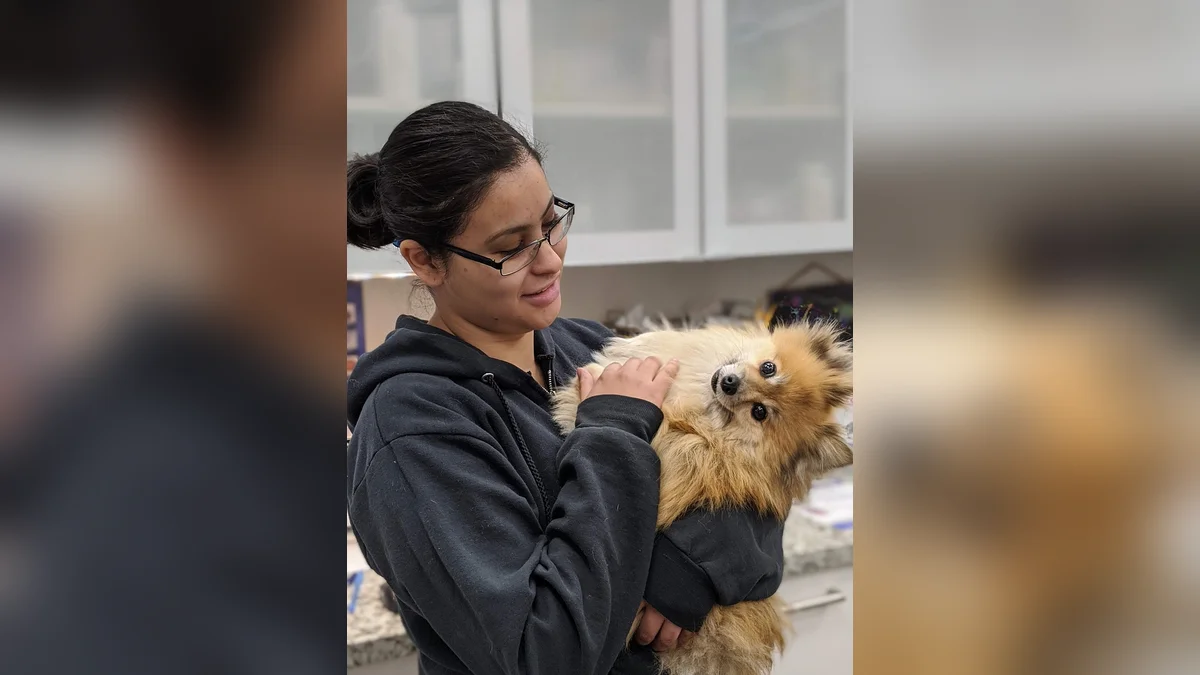
Caring services provide essential supportive infrastructure that helps modern individuals maintain their independence, dignity, and quality of life while remaining safely within their own familiar neighborhoods. These professionally coordinated options range from medical assistance to companion care, ensuring that every person receives precisely tailored support that matches their changing physical needs and personal daily routines perfectly.
Key Options for Personalized Daily Support
In-Home Care Infrastructure
Professional home care services deliver essential assistance directly into a residence, allowing people to remain comfortable in familiar surroundings. Trained aides assist with fundamental daily living tasks such as preparing nutritious meals, managing light housekeeping, and offering reliable mobility support. This personalized level of care adapts fluidly to individual schedules, ranging from brief weekly check-ins to continuous coverage. By maintaining a consistent routine at home, individuals can preserve their long-standing personal habits while receiving the precise physical reinforcement necessary to navigate their living spaces safely, independently, and with complete peace of mind.
Adult Day Program Networks
Community-based day centers offer structured environments that combine vital social engagement with professional health monitoring during standard daytime hours. These programs provide participants with opportunities to participate in tailored group activities, enjoy communal meals, and access routine wellness checks from nursing staff. This setup allows primary family caregivers to manage their own occupational obligations or personal responsibilities, knowing their loved ones are safe. Participants benefit immensely from regular interaction with peers, which effectively combats feelings of isolation while ensuring that any subtle changes in physical health are promptly noted and addressed by professional staff.

Residential Managed Communities
When independent living at home becomes challenging, managed residential communities offer a balanced solution that combines private housing with readily accessible professional oversight. Residents live in personal apartments but enjoy community-wide amenities such as shared dining rooms, organized recreational events, and scheduled local transportation. Staff members remain available around the clock to assist with medication management, personal care, and emergency response coordination. This lifestyle model successfully bridges the gap between total independence and intensive medical care, fostering a vibrant social atmosphere while providing a secure environment that adapts gracefully to changing wellness needs.
Specialized Memory Guidance
Dedicated memory support provides highly structured, secure environments designed specifically for individuals experiencing significant cognitive changes and progressive memory challenges. These specialized programs utilize architectural safeguards to prevent wandering while employing staff members deeply trained in cognitive behavioral strategies and empathetic communication. Daily routines are intentionally designed to reduce anxiety, enhance familiarity, and stimulate cognitive function through specialized sensory activities. By focusing entirely on predictable environments and tailored interactions, these services maximize comfort, preserve individual dignity, and offer profound reassurance to families navigating the complexities of long-term cognitive care.

Practical Guidance for Choosing Care
Selecting the appropriate care system requires a methodical approach centered on current needs and future wellness goals. By evaluating specific daily challenges, family dynamics, and available local resources, individuals can establish a sustainable support network that actively promotes long-term stability and personal comfort throughout the selection process.
| Care Type | Primary Focus | Setting |
|---|---|---|
| In-Home | Daily Task Assistance | Personal Residence |
| Day Programs | Socialization & Routine Monitoring | Community Center |
| Residential | Housing & Around-the-Clock Support | Managed Facility |
| Memory Care | Cognitive Security & Structure | Specialized Wing |
Essential Quality Verification Steps
- Verify that the provider holds all necessary state operating licenses and active professional liability insurance policies.
- Request detailed information regarding staff screening procedures, background checks, and specialized training programs.
- Interview multiple references or read verified local reviews to gauge overall community satisfaction and reliability.
- Review the specific contract terms regarding service adjustments, emergency protocols, and fee structures carefully.
Frequently Asked Questions
What is the difference between home health care and personal care?
Home health care involves licensed medical professionals delivering services like physical therapy or wound care under a physician’s direction. Personal care focuses entirely on non-medical assistance, helping individuals with daily tasks such as bathing, dressing, meal preparation, and light housekeeping.
How do families know when it is time to seek external support?
Signs often include noticeable changes in personal hygiene, unmanageable difficulty with household chores, unexpected weight loss, or minor safety incidents at home. Noticing these shifts indicates that introducing professional assistance could significantly improve daily safety and overall well-being.

Can care services be customized as needs change over time?
Yes, reputable agencies and communities perform regular professional evaluations to adjust care plans dynamically. This ensures that support increases or decreases smoothly, matching the individual’s physical health status and cognitive needs without disrupting their established daily routines.
Conclusion
Embracing professional caring services empowers individuals to navigate health changes with confidence, security, and sustained personal dignity. By researching available community resources early, families can make informed, proactive choices that support long-term wellness. Start by scheduling an initial consultation with a local care coordinator to discuss your specific needs.