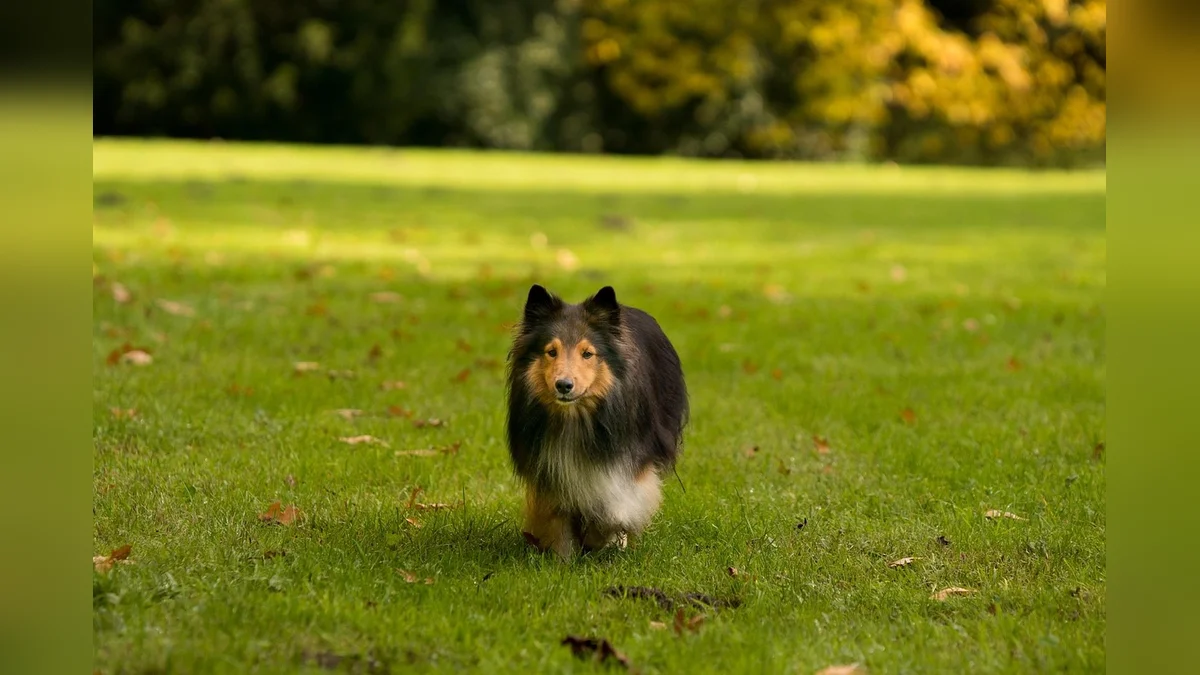
Proactive veterinary care for older pets focuses on identifying age-related physiological shifts early through regular diagnostic evaluations and personalized lifestyle adjustments. Managing chronic conditions and prioritizing comfort allows aging dogs and cats to maintain a high quality of life as they navigate their golden years alongside their devoted families.
Understanding Aging in Dogs and Cats
Metabolic Shifts and Energy Requirements
As dogs and cats transition into their later years, their basal metabolic rates naturally decline, altering how they process calories and store fat. Veterinary teams often recommend adjusting daily caloric intake to prevent obesity, which strains aging joints and internal organs. Concurrently, lean muscle mass tends to diminish even when a pet maintains a steady body weight. Monitoring these subtle physical changes ensures nutritional plans adapt appropriately to support long-term vitality without placing undue metabolic stress on the body system.
Joint Health and Mobility Maintenance
Degenerative joint disease and osteoarthritis frequently impact senior companions, manifesting as stiffness after rest or reluctance to climb stairs. Veterinarians evaluate gait and joint mobility during physical exams to recommend targeted pain management strategies and supportive joint supplements. Environmental modifications at home, such as adding non-slip rugs and ramps, complement medical interventions. Early detection of discomfort helps prevent chronic pain cycles and encourages older pets to engage safely in gentle, daily movement that preserves remaining muscle strength.

Cognitive Function and Behavioral Changes
Aging brains can experience cognitive decline similar to human dementia, leading to disorientation, altered sleep patterns, or changes in social interaction. Recognizing these shifts involves distinguishing normal age-related slowing from signs of canine cognitive dysfunction or feline cognitive decline. Veterinarians utilize structured behavioral assessments to rule out underlying medical issues like sensory loss or pain. Supporting a confused pet often involves keeping household routines predictable, enriching their environment gently, and using specialized therapeutic diets designed to nourish aging neural pathways.
Organ System Monitoring and Diagnostics
Internal organs such as the kidneys, liver, heart, and thyroid face increased wear over time, making routine laboratory screening essential for senior pets. Biannual wellness blood panels, urinalyses, and blood pressure checks help veterinarians detect subclinical disease long before outward clinical symptoms emerge. Catching conditions like chronic kidney disease or hyperthyroidism in their infancy allows for prompt dietary or pharmacological intervention. This proactive approach significantly extends both the comfort and the overall lifespan of aging companion animals.

Enhancing Daily Comfort and Quality of Life
Daily routines at home play a critical role in supporting senior pets alongside professional veterinary guidance. Modifying living spaces, tracking appetite changes, and providing gentle physical engagement help bridge the gap between clinical treatments and everyday well-being.
| Care Domain | Standard Adult Protocol | Senior Pet Protocol |
|---|---|---|
| Wellness Exams | Annual physical checkup | Biannual comprehensive evaluation |
| Blood Screening | Optional or baseline panel | Bi-annual CBC and chemistry |
| Pain Management | Acute injury focus | Multimodal chronic management |
| Dental Care | Periodic cleanings as needed | Radiographs and frequent monitoring |
Practical At-Home Care Checklist for Older Animals
- Observe daily water consumption and report unusual increases to your regular veterinarian promptly.
- Inspect paw pads and trim nails frequently to prevent snagging on carpets or hardwood floors.
- Provide easily accessible soft bedding placed away from household drafts and heavy foot traffic.
- Check body weight and muscle condition monthly to catch unexplained weight loss very early.
Frequently Asked Questions
When does a pet officially become a senior?
Pets generally enter their senior life stage during the last twenty-five percent of their expected lifespan, which often correlates with age seven or older depending on species and breed size according to the AAHA Senior Care Guidelines.
How often should senior pets visit the clinic?
Veterinary professionals recommend scheduling physical examinations and routine diagnostic screenings at least twice a year for older animals to detect hidden medical conditions before clinical signs become severe and harder to manage effectively.

Are lifestyle changes normal for aging animals?
Slower movement and longer sleeping hours are common, but severe lethargy, sudden confusion, or vocalization changes require a veterinary evaluation to rule out underlying pain or metabolic disorders.
Conclusion
Partnering closely with your veterinary team transforms the aging process into a manageable, comfortable journey for your animal companion. Schedule a comprehensive senior wellness exam with your local veterinarian this month to establish a tailored baseline of health.