Caring for an aging canine companion requires proactive adjustments to daily routines, dietary choices, and home environments to support declining physical strength, preserve cognitive health, and ensure comfort during their final golden years together at home.
Essential Daily Support for Aging Canines
Nutritional Adjustments and Balanced Diet
Older dogs experience slower metabolic rates and decreased daily energy expenditure compared to their younger adult years. Transitioning them to a specially formulated senior diet helps prevent unwanted weight gain while supplying joint-supporting nutrients like omega-3 fatty acids. Consulting your veterinarian ensures proper caloric balance and helps manage chronic conditions effectively.
Joint Care and Mobility Aids
Stiff joints and progressive arthritis frequently limit how easily an aging pet can navigate household stairs or jump onto favorite resting couches. Introducing carpet runners over slick flooring provides secure traction for unsteady paws. Placing sturdy ramps near elevated beds or vehicle doors significantly reduces painful impact on tired limbs.

Frequent Veterinary Health Screenings
Shifting from annual checkups to biannual veterinary appointments allows clinicians to catch subtle systemic illnesses long before external symptoms become severe. Routine blood panels and dental evaluations help monitor kidney function, liver health, and heart performance. Early detection remains the single best strategy for prolonging active life.
Cognitive and Environmental Enrichment
Mental sharpness often fades as senior dogs encounter age-related brain changes or sensory decline in sight and hearing. Engaging them with gentle scent games or puzzle toys preserves mental alertness without causing physical fatigue. Keeping household furniture in predictable locations prevents unnecessary confusion or accidental collisions.

Practical Management and Assessment Strategies
Evaluating your dog's daily well-being involves tracking subtle shifts in appetite, sleeping duration, bathroom habits, and overall enthusiasm during morning walks. Maintaining an open dialogue with your veterinary team helps adapt pain management protocols and home comfort measures as mobility or energy levels naturally evolve.
| Care Category | Common Aging Sign | Recommended Action |
|---|---|---|
| Resting Comfort | Sore hips and stiff joints | Add orthopedic resting beds |
| Dietary Needs | Lower metabolism rates | Adjust daily caloric intake |
| Mobility Support | Difficulty climbing stairs | Install pet ramps and gates |
| Mental Wellness | Nighttime confusion | Keep nightlights on indoors |
Key Steps for Monitoring Senior Dog Comfort
- Inspect paw pads and trim long fur regularly to prevent slips on hard wood floors.
- Observe changes in water consumption or housebreaking frequency closely each single day.
- Check body condition scores monthly with guidance from your trusted local veterinarian.
- Provide soft quiet sleeping spaces away from noisy household traffic and drafts.
Frequently Asked Questions
How often should senior dogs visit the veterinarian?
Veterinary professionals typically recommend scheduling comprehensive wellness examinations every six months for aging dogs to identify hidden health conditions early.
When is a dog officially considered a senior?
Small dog breeds generally enter senior status around ten years old, whereas larger breeds reach this stage much earlier.
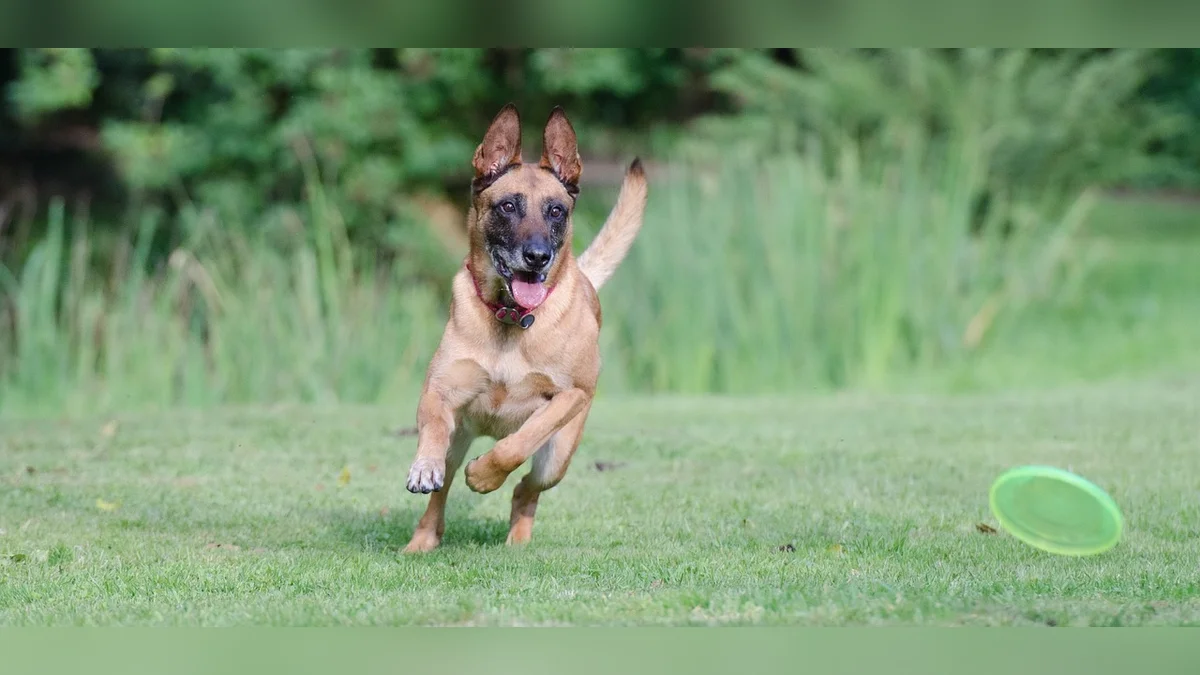
Should I change my dog's exercise routine?
Shorter, more frequent walks keep muscles engaged without placing undue stress on aging joints or causing extreme exhaustion.
Conclusion
Supporting an older dog requires patience, attentiveness, and willingness to adapt your home to their changing physical needs. Review the official guidelines on [American Veterinary Medical Association Senior Pet Care](https://www.avma.org/resources-tools/pet-owners/petcare/senior-pets) to schedule your dog's next checkup today.