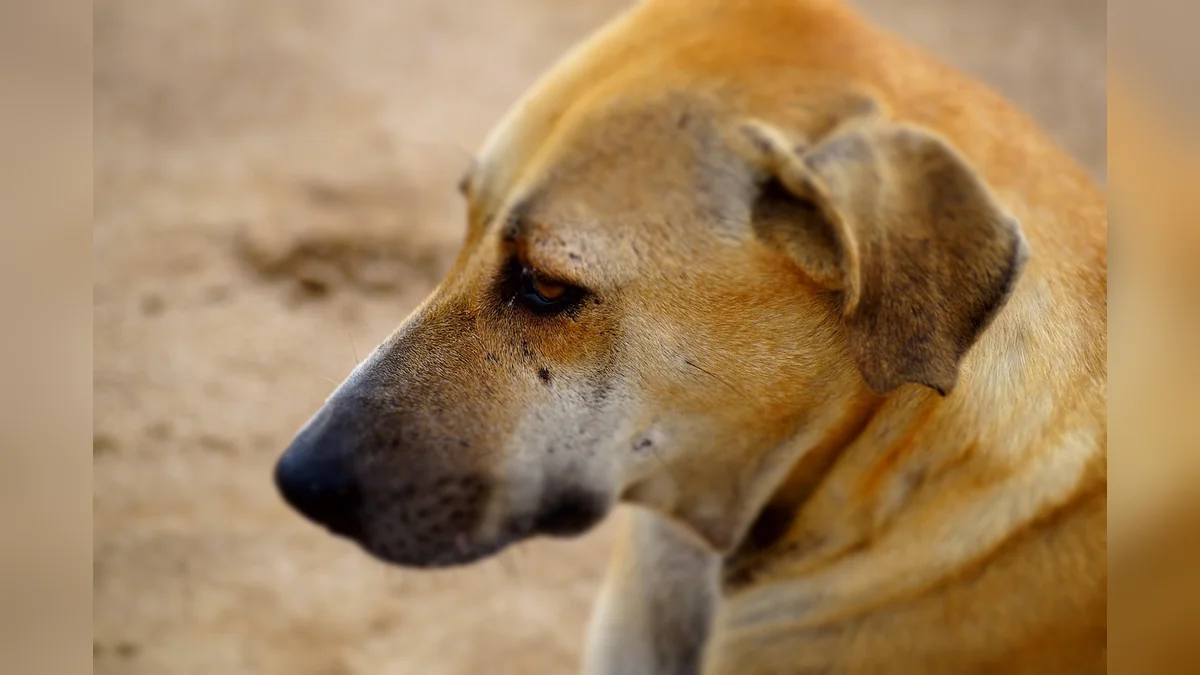
Caring for an aging Beagle requires attentive adjustments to daily routines, diet, and veterinary oversight to preserve their comfort, manage natural physical slowdowns, and support a high quality of life throughout their golden years.
Essential Daily Support and Comfort
Nutrition and Weight Management
Older Beagles experience a natural decrease in metabolic rate, meaning their daily caloric intake must be carefully adjusted to prevent excessive weight gain. Carrying extra pounds places significant strain on joints and increases the risk of systemic inflammation. Providing a balanced, highly digestible diet rich in essential fiber and lean protein helps maintain muscle mass. Detailed guidance on tailored nutrition plans and healthy body condition scores can be explored through resources provided by the VCA Animal Hospitals Senior Dog Care Guide for comprehensive owner support.
Joint Health and Mobility
The iconic hound energy of a Beagle gradually gives way to stiffer joints and reduced agility as the years advance. Slippery floors and high jumps can become intimidating or painful hazards for an aging companion. Setting up soft non-slip rugs across common walking paths and utilizing gentle ramps near favorite resting couches makes movement much easier. Regular, low-impact exercise keeps blood circulation active without overloading delicate cartilage structures, ensuring your loyal friend stays comfortable and safe inside the home every single day.

Sensory Changes and Scent Work
Beagles rely heavily on their world-famous sense of smell, which remains a vital anchor even when vision or hearing begins to fade. Fostering their mental engagement through gentle scent-based games keeps their brain sharp without demanding intense physical exertion. You can scatter kibble in a snuffle mat or hide a favorite toy under a blanket to stimulate their natural foraging instincts. Preserving familiar household layouts also prevents confusion, allowing your senior hound to navigate rooms confidently despite declining sensory sharpness.
Preventive Veterinary Care
Routine medical evaluations become increasingly important as subtle internal shifts happen beneath the surface of an older dog. Scheduling regular wellness visits allows veterinarians to monitor organ function, screen for early signs of endocrine disease, and adjust pain management protocols. Monitoring subtle changes in daily water consumption, bathroom habits, or sleeping patterns helps catch underlying health concerns before they escalate. Partnering closely with your local clinic ensures your senior dog receives timely diagnostics and compassionate medical attention tailored to breed-specific risks.

Key Comparison of Senior Care Factors
Evaluating physical markers helps caregivers anticipate shifting daily needs.
| Care Domain | Adult Beagle Stage | Senior Beagle Stage |
|---|---|---|
| Daily Exercise | Long vigorous scent trails | Short leisurely neighborhood walks |
| Dietary Needs | Standard maintenance food | Calorie-controlled senior formula |
| Joint Comfort | Unrestricted jumping on beds | Ramps and orthopedic bedding |
| Vet Checkups | Annual preventive exams | Semi-annual diagnostic screenings |
Actionable Home Checkpoints
- Inspect paw pads and trim overgrown nails regularly to preserve proper walking traction.
- Check ears weekly for moisture accumulation or irritation common in hanging-ear breeds.
- Offer fresh water in easily accessible bowls placed across multiple household levels.
- Observe sleeping behavior for signs of restlessness or unexpected nocturnal disorientation.
Frequently Asked Questions
When does a Beagle officially become a senior?
Beagles generally enter their senior life stage around seven to nine years of age, though individual aging rates vary based on genetics, lifelong nutrition, and general health history.
Why is my older Beagle gaining weight so quickly?
A slower metabolism combined with reduced daily physical activity often causes weight gain, making portion control and lower-calorie formulations essential for managing senior body condition.

How can I protect my senior Beagle from slipping?
Placing rubber-backed runner rugs on hardwood floors, blocking steep staircases with baby gates, and keeping paw fur neatly trimmed significantly improve indoor traction.
Conclusion
Supporting a senior Beagle involves balancing gentle physical exercise with thoughtful environmental adaptations and regular veterinary checkups. Taking proactive steps today will help your cherished companion enjoy peaceful, comfortable days filled with love and dignity.