Creative expression through visual art, music, theater, and movement provides meaningful avenues for individuals living with disabilities to communicate experiences, build cognitive resilience, and connect deeply with community life. Standardized accessibility guidelines shape how public cultural institutions welcome participants, while adaptive tools and thoughtful studio designs ensure that creative practices remain open and deeply rewarding for everyone involved.
Understanding Inclusive Artistic Practices
Adaptive Techniques in Visual Art
Modified paintbrushes, grip enhancements, and digital canvas tools remove physical friction so that painters can express complex emotions without strain or frustration. Instructors focus on tactile feedback and customized ergonomics rather than rigid traditional mechanics. This approach shifts creative valuation toward personal storytelling and technical resourcefulness, allowing artists with varying motor skills to experiment freely with color, texture, and composition inside community studios or personal workshops.
Multi-Sensory Music and Performance
Auditory and theatrical experiences incorporate visual cues, tactile vibration boards, and alternative notation systems to broaden participation. Musicians and actors engage through rhythm, amplified low-frequency sound, and collaborative staging that honors diverse sensory processing styles. Such multi-sensory environments foster deep emotional resonance and mutual artistic trust, breaking down historic barriers between conventional performers and audiences with diverse neurological or physical profiles.
Museum Access and Policy Standards
Public cultural venues follow federal framework standards established under the Rehabilitation Act to ensure physical, structural, and programmatic inclusion across exhibits. Curators design audio-described tours, tactile sculpture galleries, and low-stimulus visiting hours that make cultural heritage welcoming. These systemic measures transform passive observation into an active dialogue, encouraging institutional accountability and ensuring that permanent and traveling collections reach every member of the public.
Community Impact and Personal Growth
Participating in shared creative workshops nurtures social belonging, reduces isolation, and enhances daily problem-solving capabilities across diverse neighborhood settings. Group art projects build cooperative communication and validate individual identity through shared cultural production. Community centers report that consistent artistic engagement strengthens confidence and fosters long-term mental well-being, proving that creative work serves as a vital anchor for human connection.

Practical Steps for Engaging with Inclusive Arts
Selecting the right creative program requires evaluating physical comfort, sensory preferences, and communication support within local community spaces. Families and individuals can explore regional arts councils or review venue accessibility policies before attending classes or visiting exhibitions to ensure a smooth and inspiring experience.
| Modality | Primary Benefit | Common Adaptation |
|---|---|---|
| Visual Painting | Fine motor expression | Adaptive grip tools |
| Choral Singing | Vocal breath control | Visual conductor cues |
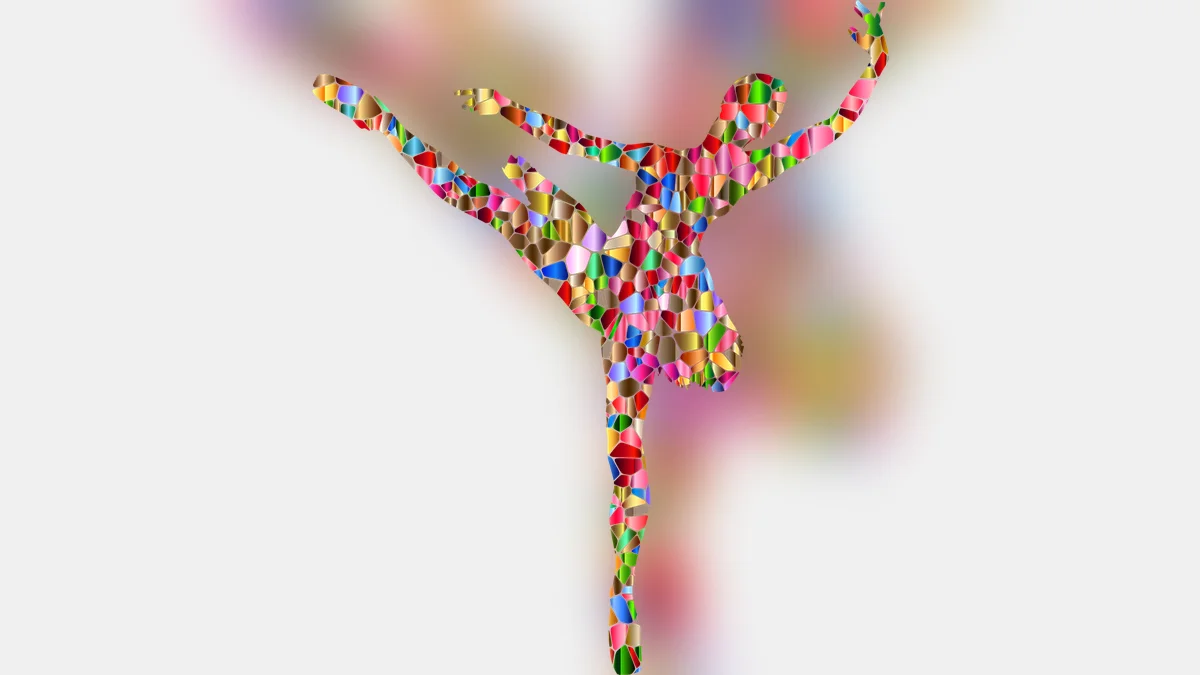
| Movement Dance | Spatial embodiment | Seated choreography |
| Sculpture Craft | Tactile form building | High-density foam clay |
How to Evaluate an Accessible Art Program
- Review physical entrance paths and studio workspace layouts before committing to weekly classes.
- Ask instructors about flexible materials and alternative tools tailored to individual physical needs.
- Check whether sensory-friendly hours or quiet zones are available during active public sessions.
- Confirm staff training regarding disability etiquette and supportive communication during creative work.
Frequently Asked Questions
What makes an art studio truly accessible?
An accessible studio combines wide physical pathways, adjustable tables, and supportive lighting with instructors trained in flexible communication and adaptive technique adjustments.
Can beginners with no background start creative work?
Absolutely, because inclusive programs focus on personal exploration and expression rather than prior technical training or formal academic art experience.
Where can I find regional inclusive arts organizations?
Local community centers, state arts councils, and federal resources like the National Endowment for the Arts provide directories of inclusive programs.
Conclusion
Embracing inclusive art enriches personal lives and strengthens the cultural fabric of every neighborhood. Taking a first step involves contacting a local gallery or community studio to inquire about upcoming adaptive workshops today.