Art activities for seniors offer one of the most reliable paths to improved mental health, cognitive function, and emotional well-being in later life. According to a 2023 report from the National Endowment for the Arts, older adults who participate in creative activities show measurably better health outcomes than those who do not.
The challenge most families and caregivers face is knowing where to start, which supplies to buy, and how to adapt projects for varying mobility and cognitive levels. This article walks you through seven practical, low-cost art activities for seniors, explains the research behind why they work, and gives you step-by-step guidance you can use today.
Why Art Activities Matter More After 60
Creative engagement is not just a pleasant pastime. It changes the brain. The National Institute on Aging has funded multiple studies showing that learning new creative skills in later adulthood strengthens neural pathways and may delay cognitive decline.
One longitudinal study published in the Journal of Aging and Health tracked older adults over four years and found that those who regularly participated in art activities for seniors reported lower rates of depression and higher life satisfaction.
The Science Behind Creativity and Aging
The brain's plasticity does not disappear with age. It shifts. Engaging the hands in painting, drawing, or sculpting activates the motor cortex while simultaneously stimulating the prefrontal cortex. This dual activation is what makes art activities for seniors different from passive entertainment like watching television.
A 2024 meta-analysis published in The Gerontologist reviewed 18 studies and concluded that structured art participation improved executive function scores in adults aged 65 and older.
The social dimension compounds the benefit. Group art classes reduce isolation, which the Centers for Disease Control and Prevention identifies as a significant risk factor for premature mortality in older adults. When seniors create together, they build what researchers call "social scaffolding" — informal support networks that carry over into other areas of life.
How to apply this: Schedule at least one art session per week, ideally in a group setting, and treat it with the same importance as a medical appointment.
1. Watercolor Painting: Gentle on Joints, Big on Expression
Watercolor is one of the most accessible art activities for seniors because it requires minimal grip strength and forgiving materials. Unlike acrylics or oils, watercolors wash off hands and clothing easily, reducing cleanup stress for caregivers.
Why Watercolor Works Well
The fluid nature of watercolor means there is no "wrong" way to apply it. Seniors with arthritis or tremors often find that loose, flowing brushstrokes feel natural and satisfying. Pan sets are lightweight, and the paint activates with just water. This reduces the fine motor demands compared to squeezing tubes or mixing oil-based media.
A common scenario: A senior with mild hand tremor feels frustrated attempting detailed pencil work but discovers that broad watercolor washes produce beautiful, abstract results. The medium accommodates the tremor rather than fighting it. Occupational therapists frequently recommend watercolor as part of art activities for seniors specifically because it supports range-of-motion exercises without the patient perceiving it as therapy.
Supplies needed are minimal: a basic pan set, a few round brushes with cushioned grips, watercolor paper, and a cup of water. Total startup cost runs under $30 at most craft retailers.
How to apply this: Start with a simple wet-on-wet technique — wet the paper first, then drop in color — and let the paint move freely.
2. Collage and Memory Art: Storytelling Through Images
Collage ranks among the most cognitively engaging art activities for seniors because it combines decision-making, memory recall, and tactile manipulation. Cutting and arranging images exercises fine motor skills while the content triggers autobiographical memory.

Building a Memory Collage
Family photos, old magazines, greeting cards, and fabric scraps all serve as raw material. The act of selecting images that represent a life story — a first home, a favorite vacation, a beloved pet — activates the hippocampus, the brain region central to memory formation.
Art therapists at AARP-endorsed programs report that memory collage sessions often unlock conversations that family members have never heard before.
One case: A memory care facility in Oregon implemented weekly collage sessions for residents with early-stage dementia. Staff observed that participants who struggled with verbal recall could still identify and arrange personal photographs, and the resulting collages became conversation anchors for visiting family members.
This aligns with findings from the Alzheimer's Association that creative activities leveraging long-term memory remain accessible even as short-term memory declines.
Adapt the activity for limited dexterity by using pre-cut images, adhesive dots instead of glue sticks, and magnetic boards instead of paper. The goal is the selection and arrangement, not the cutting precision.
How to apply this: Gather 10 to 15 meaningful images per session and ask open-ended questions about each one as the senior arranges them.
3. Adult Coloring and Pattern Work: Structured Calm
Adult coloring books have become a mainstream wellness tool, and for good reason. The structured nature of coloring within pre-drawn lines removes the pressure of composition while still engaging attention and fine motor control.
Choosing the Right Coloring Materials
For seniors with vision changes, large-print coloring books with bold outlines work best. Look for designs with high contrast and simple shapes rather than intricate mandalas, which can frustrate those with visual or motor limitations. Colored pencils with triangular barrels are easier to grip than round ones. Markers should be low-odor and water-based.
Research from the American Art Therapy Association indicates that repetitive, predictable creative tasks like coloring reduce cortisol levels in older adults. The rhythmic motion produces what researchers call a "flow state" — a mental condition where self-consciousness fades and time passes without awareness.
For seniors dealing with anxiety or restlessness, coloring offers a portable, low-mess option among art activities for seniors.
Coloring also works well as a parallel activity. Seniors who resist structured group participation often feel comfortable coloring alongside others without the pressure of conversation. This makes it an ideal entry point for those new to art activities for seniors.
How to apply this: Keep a coloring station set up permanently — a small table with books, pencils, and good lighting — so the senior can engage spontaneously.
4. Clay and Air-Dry Sculpting: Tactile Engagement
Working with clay engages the hands in ways that painting and drawing cannot. The resistance of the material provides gentle strengthening for weakened grip muscles, and the three-dimensional results offer a sense of accomplishment that flat artwork sometimes lacks.
Selecting the Right Clay
Air-dry clay eliminates the need for kilns or ovens, making it practical for home use. It comes in white, terracotta, and various colors, and it dries within 24 to 48 hours. For seniors with limited hand strength, polymer clay that has been warmed and conditioned is softer and easier to manipulate, though it requires baking to set.

The tactile feedback from clay is particularly valuable for seniors with neuropathy or sensory decline. Kneading, rolling, and pinching stimulate nerve endings in the hands. Physical therapists sometimes incorporate clay work into rehabilitation for stroke survivors because the varied hand movements — squeezing, flattening, rolling into coils — mirror therapeutic exercises.
A senior with advanced arthritis might find kneading difficult but can still enjoy pressing objects into a clay slab to create texture patterns. Leaves, buttons, lace, and forks all make interesting impressions. This modification keeps the activity accessible without demanding fine motor precision.
How to apply this: Start with small pinch pots or simple coil bowls, and display finished pieces prominently to reinforce the sense of achievement.
5. Music-Inspired Art: Combining Sensory Experiences
Art activities for seniors do not need to be silent. Combining music with visual art amplifies the cognitive benefits of both. Listening to familiar music while painting or drawing activates multiple brain regions simultaneously.
How Music Enhances Visual Creativity
Music from a senior's young adulthood — typically ages 15 to 25 — triggers what neuroscientists call "reminiscence bump" memories. These are the most emotionally vivid autobiographical memories people retain. When paired with art-making, this musical nostalgia can unlock creative expression that feels meaningful rather than performative.
The approach is simple: play a curated playlist of songs from the senior's formative years, then ask them to paint or draw whatever the music evokes. Colors, shapes, scenes, or purely abstract marks all count. There is no wrong response.
This activity works well for seniors who claim they are "not artistic" because the music provides the emotional content, reducing the pressure to invent something from nothing.
Facilities using this approach include memory care units that incorporate music into all art programming. Staff at these facilities report higher engagement and longer participation times compared to silent art sessions. The combination addresses both auditory and visual processing, creating a richer sensory experience.
How to apply this: Create a personalized playlist before the session, keep the volume moderate, and allow the senior to control song selection when possible.
6. Nature Art and Pressed Flowers: Bringing the Outdoors In
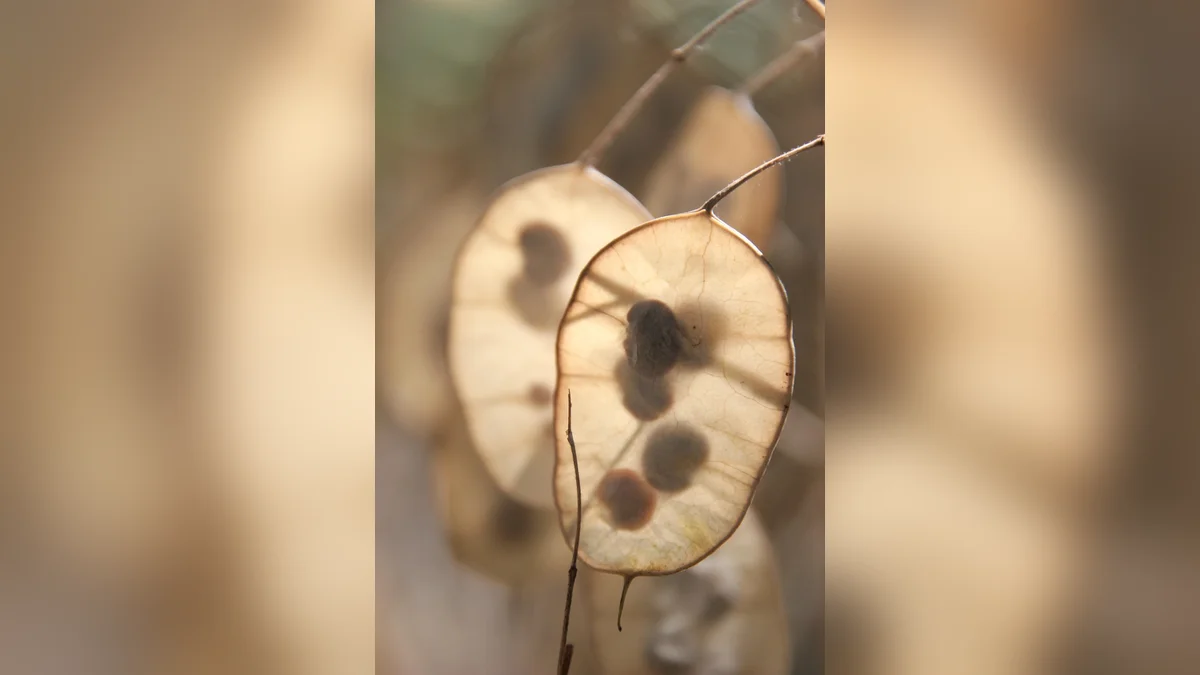
Nature-based art activities for seniors connect creative expression with the documented health benefits of nature exposure. Collecting, pressing, and arranging botanical materials provides gentle physical activity and sensory stimulation.
From Collection to Creation
The process begins with a short outdoor walk to gather leaves, flowers, and interesting twigs. For seniors with limited mobility, family members or caregivers can bring natural materials inside. The collection phase itself matters — the act of noticing and selecting natural objects engages attention and promotes mindfulness.
Pressed flower art requires patience, making it well-suited to seniors who prefer slower, methodical projects. Flowers are arranged between sheets of absorbent paper and weighted for one to three weeks. Once dried, the pressed botanicals can be arranged on cardstock, framed, or used to decorate greeting cards and bookmarks.
The sensory experience of handling natural materials — the texture of bark, the fragrance of lavender, the visual complexity of a maple leaf — provides what horticultural therapists call "multi-sensory stimulation." This is especially valuable for seniors with dementia, who may respond to natural materials even when verbal communication has declined.
How to apply this: Press a batch of flowers every few weeks so there is always a supply of dried materials ready for spontaneous creative sessions.
7. Digital Art and Tablet Drawing: Technology Meets Tradition
Digital art removes many of the physical barriers that traditional media present. Tablets and styluses require no brush cleaning, no paint mixing, and no setup or teardown. For seniors with limited energy or mobility, this accessibility makes digital art activities for seniors uniquely sustainable.
Getting Started with Digital Tools
A basic tablet with a drawing app like Procreate or a free alternative such as Autodesk Sketchbook offers a low-friction entry point. The undo button eliminates the fear of making mistakes, a significant psychological barrier for older adults who may remember harsh art criticism from childhood. Layers allow experimentation without ruining previous work.
Touchscreen responsiveness can be adjusted in most drawing apps to accommodate tremors or unsteady hands. Stylus grips are available in ergonomic shapes, and some styluses are weighted to reduce hand fatigue. The Apple Pencil and Wacom styluses both offer pressure sensitivity that mimics traditional drawing tools.
Digital art also enables sharing. Seniors can send their creations to family members instantly, reinforcing social connection. For those in assisted living, digital galleries displayed on facility screens celebrate resident creativity in ways that physical bulletin boards cannot match. The learning curve is real but manageable — most seniors become comfortable with basic digital drawing within two to three sessions.
How to apply this: Download a free drawing app, spend one session exploring brushes and colors without any goal, and let curiosity guide the learning process.
Comparing Art Activities for Different Ability Levels
The table below compares the seven activities across key practical dimensions to help you select the right starting point.
| Activity | Physical Demand | Cognitive Demand | Setup Effort | Cost to Start |
|---|---|---|---|---|
| Watercolor | Low | Moderate | Low | Under $30 |
| Collage | Low to Moderate | High | Moderate | Under $20 |
| Coloring | Low | Low | Very Low | Under $15 |
| Clay Sculpting | Moderate | Moderate | Moderate | Under $25 |
| Music-Inspired Art | Low | Moderate | Low | Under $20 |
| Pressed Flowers | Low | Moderate | High | Under $15 |
| Digital Art | Very Low | High | Low | $100+ (if no tablet) |
Frequently Asked Questions About art activities for seniors
How do I adapt art activities for a senior with severe arthritis?
Choose tools with built-up grips or add foam tubing to existing brushes and pencils. Watercolor, coloring with chunky pencils, and clay pressing (rather than kneading) work well. Keep sessions short — 20 to 30 minutes — and prioritize range-of-motion movements over detailed work.
Art activities for seniors with arthritis should never cause pain; switch tools or mediums immediately if discomfort appears.
What art activities work for seniors with dementia or Alzheimer's?
Focus on process over product. Collage with familiar images, coloring simple designs, and music-paired painting all remain accessible because they rely on long-term memory and emotional response rather than short-term recall. Avoid activities requiring multi-step instructions. Art activities for seniors with cognitive decline should be self-directed and impossible to do "wrong."
How often should seniors participate in art activities?
Consistency matters more than intensity. One to three sessions per week, lasting 30 to 60 minutes each, produces measurable benefits. Daily coloring or sketching for 15 minutes also works well. The key is regularity — art activities for seniors function like exercise for the brain, and sporadic participation yields fewer cognitive benefits than a steady routine.
Can art activities replace physical therapy for seniors?
No. Art activities for seniors complement but do not replace physical or occupational therapy. However, many therapists incorporate creative tasks into treatment plans because they disguise repetitive therapeutic movements as enjoyable activities. Always consult a healthcare provider before using art as a substitute for any prescribed therapy.
What if the senior says they are not artistic?
Reframe the goal. Art activities for seniors are about engagement, expression, and enjoyment — not producing gallery-worthy work. Start with structured activities like coloring or collage that require no drawing skill. Celebrate every completed piece. Many self-described non-artists discover that the process itself, not the product, is what they value.
Conclusion
Art activities for seniors deliver measurable benefits that extend far beyond the craft table.
- Creative engagement supports cognitive health, with research linking regular participation to improved executive function in older adults.
- The right activity depends on individual physical ability, cognitive status, and personal interest — watercolor for gentle expression, collage for memory work, coloring for calm structure, clay for tactile engagement, music art for sensory richness, nature art for mindfulness, and digital tools for accessibility.
- Consistency matters more than intensity; one to three weekly sessions produce meaningful results.
- Adaptations — ergonomic grips, large-print materials, pre-cut images, and adjustable digital tools — make art accessible at almost any ability level.
Start small. Pick one art activity for seniors from this list, gather the basic supplies this week, and schedule a single 30-minute session. The goal is not a masterpiece. It is a moment of engagement, connection, and creative joy.





