Undergoing medical procedures later in life requires specialized planning because natural physiological changes alter how the body processes medications and maintains stability. Surgical teams evaluate baseline heart health, lung capacity, brain function, and daily independence to tailor safe dosing strategies. Proactive communication between patients, families, and clinicians helps minimize recovery complications and supports a smoother transition back to everyday routines.
Physiological Changes and Pharmacokinetics
Natural aging shifts organ composition, reducing total body water and increasing relative fat storage while altering liver and kidney clearance rates. These shifts mean intravenous or inhaled medications stay active longer in the bloodstream and require careful titration by the care team. Clinical guidelines from the National Center for Biotechnology Information highlight that lower baseline drug requirements help prevent excessive sedation and blood pressure instability during operations.
Cardiovascular and Pulmonary Reserves
Blood vessels stiffen and heart muscle response slows slightly over time, meaning stress or sudden fluid shifts demand extra clinical vigilance. Lungs experience decreased elasticity and lower oxygen exchange efficiency, which makes careful airway management essential. Anesthesiologists monitor blood pressure and oxygen saturation continuously to protect vital organs throughout the procedure.

Cognitive Vulnerability and Brain Health
Cellular changes in the brain increase susceptibility to post-procedure confusion or temporary memory lapses after medical events. Clinicians utilize targeted brain health resources to track mental status before and after surgery. Minimizing deep levels of sedation whenever clinically appropriate reduces the likelihood of lingering cognitive fogginess.
Frailty and Functional Independence
Physical weakness, slow walking speed, and unintended weight loss signal diminished overall resilience against surgical stress. Surgeons and anesthesiologists screen for these markers using structured frameworks outlined by the American College of Surgeons to guide risk discussions. Identifying functional baselines ensures that recovery plans match what the individual needs at home.
Planning Safe Perioperative Pathways
Tailored preparation involves reviewing all prescription medications, over-the-counter supplements, and chronic health conditions prior to hospital arrival. Collaborative care teams adjust routine drug schedules and design personalized monitoring protocols to keep vital signs balanced from start to finish.
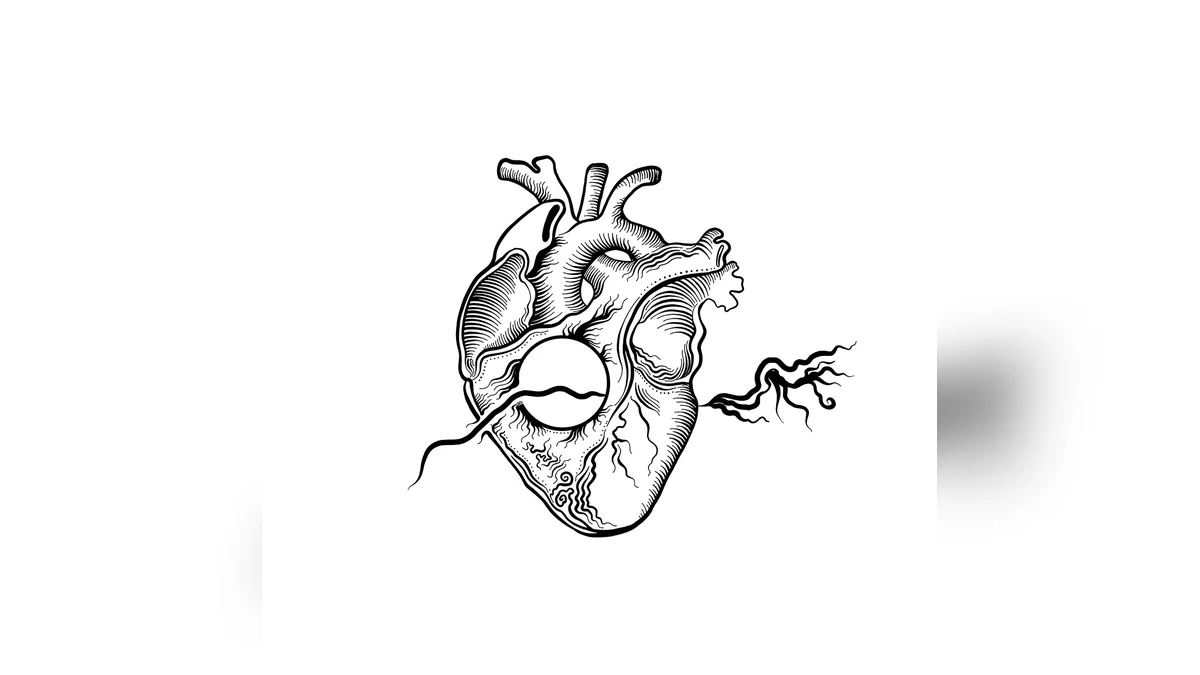
Coordination across medical specialties ensures that any underlying heart or kidney considerations receive proper attention before entering the operating room.
| Care Domain | Physiological Factor | Clinical Action |
|---|---|---|
| Medication Dosing | Reduced renal and hepatic clearance | Lower initial drug amounts |
| Brain Function | Altered neurotransmitter sensitivity | Avoid excessive depth |
| Cardiovascular | Stiffened arterial walls | Continuous blood pressure tracking |
| Mobility | Lower baseline physical reserve | Early mobilization support |
Actionable Steps for Upcoming Procedures
- Compile a complete written list of all current prescription medications and herbal supplements.
- Discuss baseline memory or thinking patterns openly with your primary care physician beforehand.
- Designate a family member or trusted advocate to help ask questions during consultations.
- Plan ahead for assistance at home during the initial days following discharge.
Frequently Asked Questions
Why do older adults need lower medication doses?
Aging organs process and eliminate pharmaceutical agents more slowly than in younger years, meaning standard amounts can linger and cause heavier sedation. Tailored adjustments keep levels safe and effective.
What is postoperative delirium and can it be prevented?
It is a sudden state of confusion after surgery that care teams try to limit by reducing heavy sedatives, encouraging early movement, and keeping familiar eyeglasses nearby.

How long does recovery take after anesthesia?
Initial grogginess wears off within hours, though full physical and mental normalization can take several days depending on the procedure and personal health history.
Conclusion
Navigating surgical care with tailored anesthetic plans greatly enhances safety and comfort for older adults. Sharing a complete medication history with your care team is a helpful next step.